Proper Technique for Adjusting Ball Valve
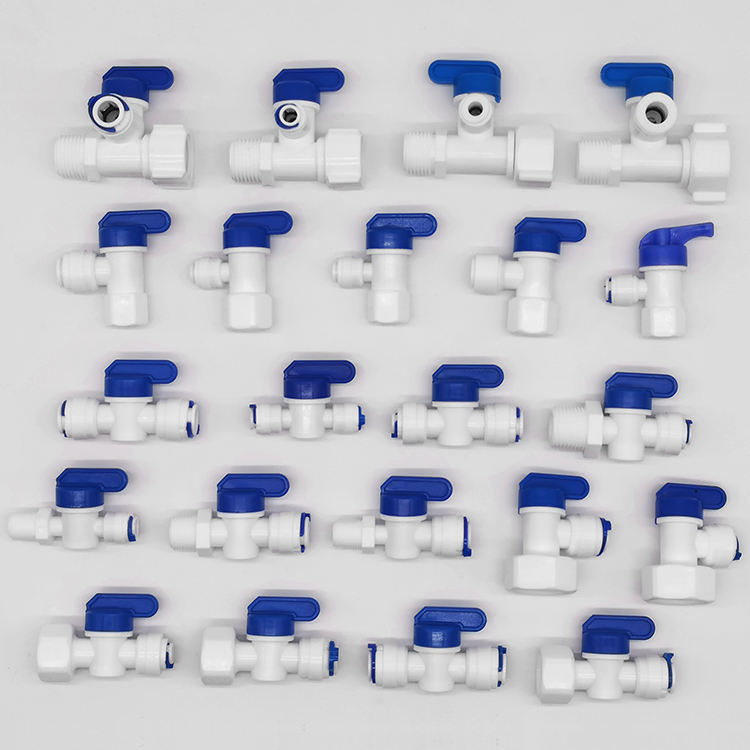
Ball valves are commonly used in plumbing systems to control the flow of liquids or gases. They are durable, reliable, and easy to use. However, adjusting a ball valve can be a bit tricky if you don’t know the proper technique. In this article, we will discuss the steps you need to take to adjust a ball valve correctly.
First and foremost, it is important to understand how a ball valve works. A ball valve consists of a spherical disc with a hole in the middle that can be rotated to control the flow of fluid. When the hole is aligned with the flow, the valve is open, allowing the fluid to pass through. When the hole is perpendicular to the flow, the valve is closed, stopping the flow of fluid.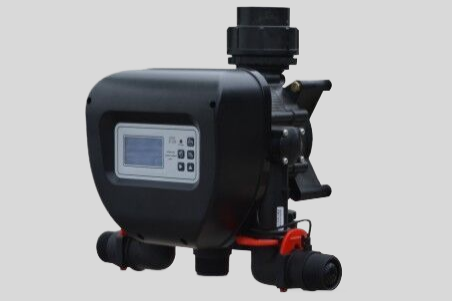
To adjust a ball valve, you will need to turn the handle or lever attached to the valve. Turning the handle clockwise will close the valve, while turning it counterclockwise will open the valve. It is important to turn the handle slowly and gently to avoid damaging the valve.
Before adjusting a ball valve, it is crucial to make sure that the system is depressurized. This can be done by shutting off the supply of fluid to the valve and releasing any pressure that may be trapped in the system. Failure to depressurize the system before adjusting the valve can result in serious injury or damage to the valve.
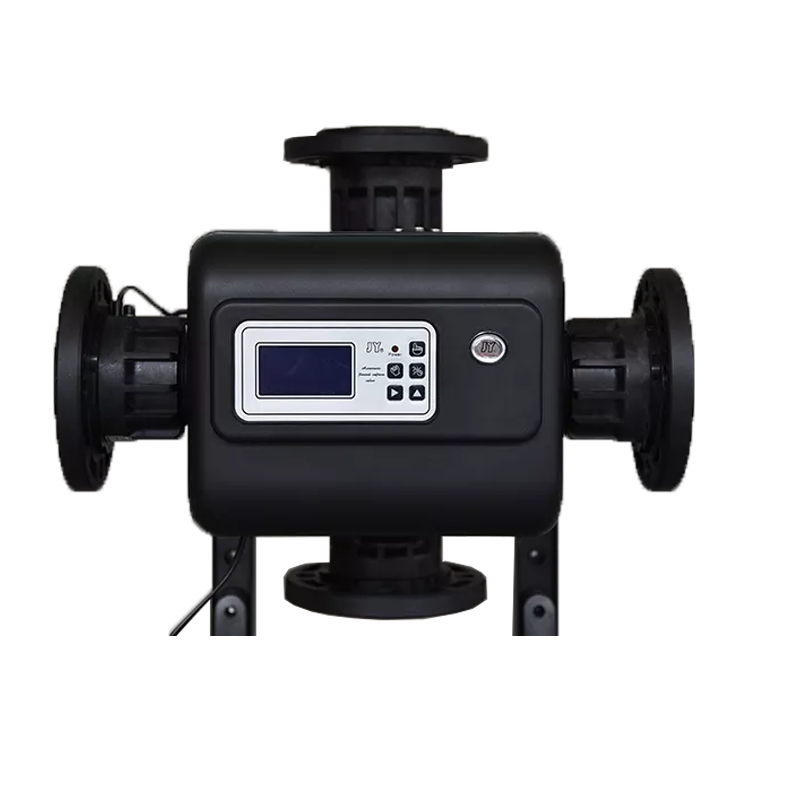
Once the system is depressurized, you can begin adjusting the ball valve. Start by turning the handle counterclockwise to open the valve. You should do this slowly and carefully to ensure that the valve opens smoothly. If you encounter any resistance while opening the valve, stop immediately and check for any obstructions or damage to the valve.
After opening the valve, you can adjust the flow of fluid by turning the handle to the desired position. It is important to make small adjustments and monitor the flow of fluid to ensure that it is at the desired level. If you need to make further adjustments, do so gradually to avoid sudden changes in flow that could damage the system.
| fixed bed GR-1 | ||||
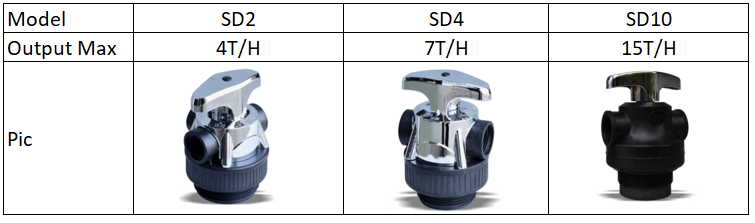
| Model | GR2-1/ GR2-1 LCD | GR4-1/ GR4-1 LCD | GR10-1 Top Loading | GR10-1 Side Loading |
| Output Max | 4T/H | 7T/H | 15T/H | 15T/H |
If you need to close the valve, turn the handle clockwise until the valve is fully closed. Again, do this slowly and carefully to prevent any damage to the valve. Once the valve is closed, you can safely work on the system without any risk of fluid leakage.
| Category | Model | Inlet/Outlet | Drain | Base | Riser Pipe | Water Capacity m3/h |
| Automatic Filter Valve | AF2 | 3/4″, 1″ | 3/4″ | 2.5″ | 1.05″ OD | 2 |
| AF2-H | 3/4″, 1″ | 1/2″ | 2.5″ | 1.05″ OD | 2 | |
| AF4 | 1″ | 1″ | 2.5″ | 1.05″ OD | 4 | |
| AF10 | 2″ | 1″ | 4″ | 1.5″D-GB | 10 |
In conclusion, adjusting a ball valve requires a careful and methodical approach. By following the proper technique, you can ensure that the valve operates smoothly and efficiently. Remember to depressurize the system before adjusting the valve, turn the handle slowly and gently, and make small adjustments to avoid damaging the valve. With these tips in mind, you can confidently adjust a ball valve in your plumbing system.