Table of Contents
Key Takeaways
- pH values outside optimal ranges reduce fish growth rates by 15-40% and increase feed conversion ratios by 0.2-0.5 units
- The aquaculture industry loses approximately $850 million annually due to suboptimal pH management
- Continuous pH monitoring reduces pH-related production losses by 75% compared to periodic sampling
- ChiMay's pH sensors achieve ±0.05 units accuracy with calibration stability of 30+ days
- pH buffering capacity (alkalinity) management is equally important as direct pH measurement
Introduction
Water pH represents one of the most fundamental environmental factors affecting aquatic organism health and production efficiency. The International Water Quality Association reports that pH-related stress contributes to approximately 18% of documented aquaculture production losses.
Understanding pH in Aquatic Systems
Optimal pH Ranges
Freshwater Species:
| Species | Optimal Range | Critical Limits |
|---|---|---|
| Tilapia | 7.0-8.5 | < 5.0, > 10.0 |
| Salmonids | 7.0-8.0 | < 5.0, > 9.5 |
| Carp | 7.0-8.5 | < 5.0, > 10.0 |
Marine Species:
| Species | Optimal Range | Critical Limits |
|---|---|---|
| Marine Fish | 8.0-8.4 | < 7.5, > 9.0 |
| Shrimp | 7.8-8.5 | < 7.0, > 9.5 |
The logarithmic nature of the pH scale means each unit change represents a ten-fold change in hydrogen ion concentration.
Physiological Effects
Acidic Conditions (Low pH)
According to Dr. Susan L. McCormick of the American Fisheries Society, "Exposure to low pH causes immediate damage to gill epithelium, impairing both respiratory and ionic regulatory functions."
Effects include:
- Lamellar epithelium erosion
- Increased mucus production blocking gas exchange
- Loss of plasma electrolytes (Na+, Cl-)
- Plasma cortisol elevation indicating stress
Alkaline Conditions (High pH)
Effects include:
- Amplified ammonia toxicity
- Precipitation of mucus on gill surfaces
- Corneal clouding and lens cataracts
- Damage to gastrointestinal lining
Causes of pH Fluctuation
Natural Processes
Photosynthesis: In pond systems, phytoplankton photosynthesis during daylight can drive pH above 9.0-10.0, while respiration overnight can reduce pH below 7.0.
Organic Matter Decomposition: Bacterial decomposition produces carbon dioxide and organic acids, contributing to pH decline.
Management-Related Factors
- Inadequate buffering (alkalinity < 75-100 mg/L)
- Over-feeding
- Insufficient water exchange
- Chemical treatments
pH Monitoring Technologies
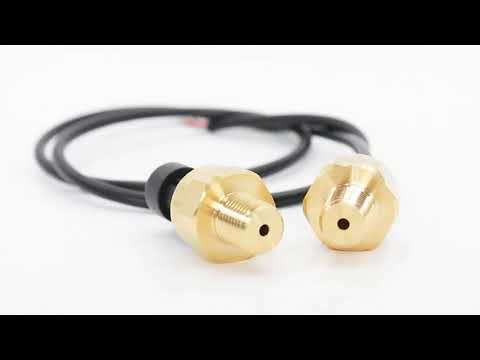
ChiMay pH Sensor Technology
ChiMay's aquaculture-optimized pH sensors:
Key Specifications:
- Measurement range: 0-14 units
- Accuracy: ±0.05 units
- Resolution: 0.01 units
- Response time: < 10 seconds
Aquaculture-Specific Features:
- Anti-fouling reference junction design
- Double-junction reference preventing silver contamination
- Low-maintenance gel electrolyte
Alarm Configuration
| Alarm Level | Low pH | High pH | Response |
|---|---|---|---|
| Warning | 6.8 | 8.8 | Monitor closely |
| Critical | 6.5 | 9.2 | Immediate action |
| Emergency | 6.0 | 10.0 | Emergency response |
Economic Impact
Costs of Poor pH Management
| Impact Category | Annual Cost (100 tonnes) |
|---|---|
| Growth reduction | $15,000-$45,000 |
| Feed waste | Variable |
| Mortality | Variable |
Investment in Monitoring
Continuous pH Monitoring Costs:
- Annual cost: $2,000-$5,000
- Expected loss prevention: $20,000-$40,000
- ROI: 370-940%
Conclusion
pH management represents one of the most fundamental aspects of aquaculture water quality control. While basic concepts are straightforward, effective pH management requires appropriate monitoring technology, well-designed protocols, and consistent execution.
Continuous pH monitoring provides the data foundation for effective management, enabling early detection of problems and trend analysis that prevents issues from developing into crises.
ChiMay's aquaculture-optimized pH sensors combine proven electrode technology with design features specifically addressing the challenges of commercial fish production. Combined with comprehensive calibration services, these sensors provide reliable performance that enables effective pH management across diverse aquaculture applications.