“قم بالتوصيل والفصل بسهولة باستخدام الموصلات السريعة لخط الهواء البلاستيكي.”
Table of Contents
فوائد استخدام الوصلات السريعة لخط الهواء البلاستيكي
كيفية تركيب وصيانة الموصلات السريعة لخط الهواء البلاستيكي
تعد الموصلات السريعة لخط الهواء البلاستيكي مكونات أساسية في الأنظمة الهوائية، مما يسمح بإجراء اتصالات سريعة وسهلة بين خطوط الهواء والأجهزة الهوائية المختلفة. يعد التثبيت والصيانة الصحيحة لهذه الموصلات أمرًا بالغ الأهمية لضمان كفاءة وطول عمر النظام الهوائي. سنناقش في هذه المقالة خطوات تثبيت وصيانة الموصلات السريعة لخط الهواء البلاستيكي بشكل صحيح.
عند تثبيت خط الهواء البلاستيكي السريع الموصلات، فمن المهم التأكد أولاً من توافق الموصلات مع خطوط الهواء والأجهزة الهوائية المستخدمة. قد تحتوي الموصلات المختلفة على أحجام أو أنواع مختلفة من الخيوط، لذلك من الضروري التحقق من مواصفات الموصلات قبل التثبيت. بمجرد تأكيد التوافق، فإن الخطوة التالية هي إعداد الخطوط الجوية للاتصال.
نموذج
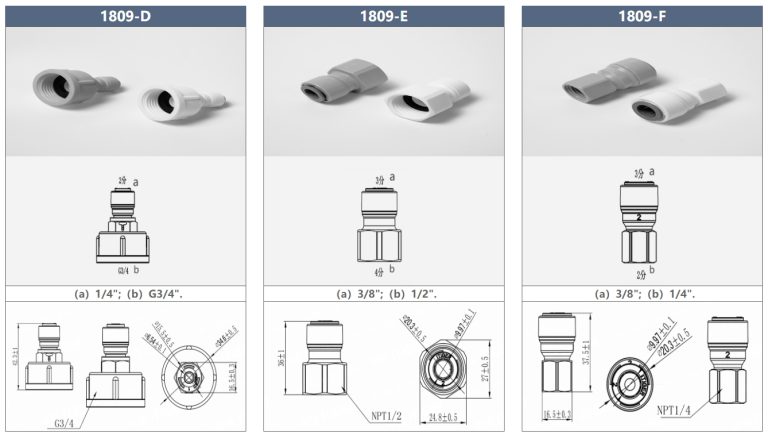
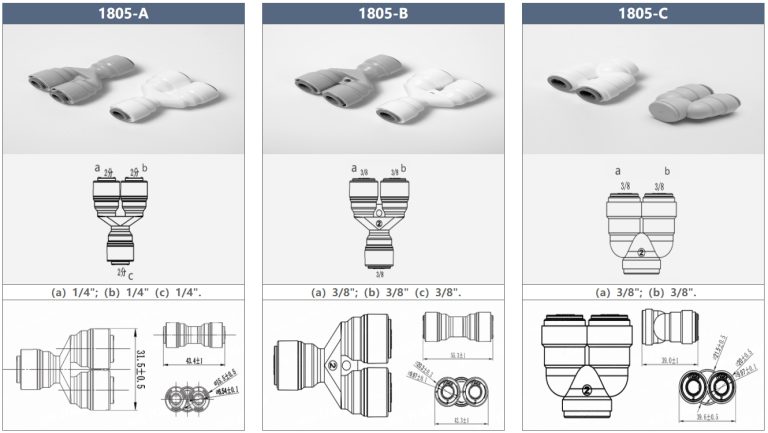
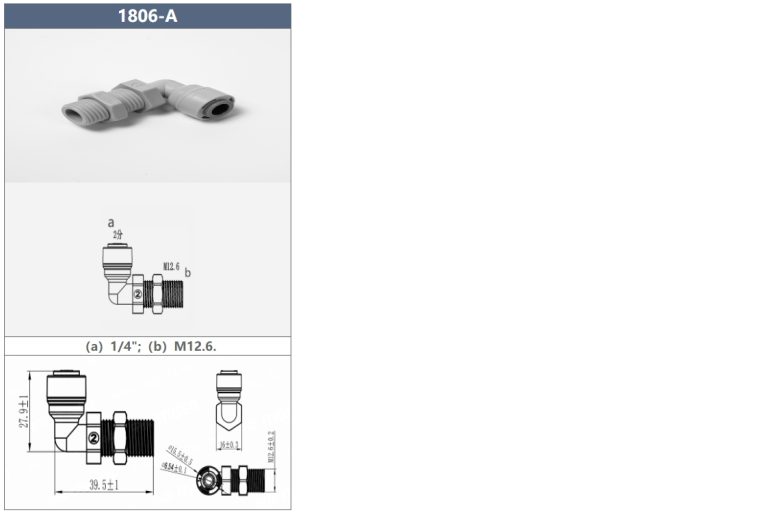
| أنبوب (أ) | الجذعية (ب) | 1801-أ |
|---|---|---|
| 1801-ج | 1/4 | 1/4 |
| لتنظيف الموصلات السريعة لخط الهواء البلاستيكي، افصل الأنبوب عن الموصل واستخدم منظفًا خفيفًا أو مذيبًا لتنظيف الموصل. استخدم فرشاة ناعمة أو قطعة قماش لتنظيف الموصل وإزالة أي أوساخ أو حطام. اشطف الموصل جيدًا بالماء النظيف واتركه حتى يجف تمامًا قبل إعادة تجميع الوصلة. من المهم تجنب استخدام مواد كيميائية قاسية أو مواد كاشطة عند تنظيف الموصلات، لأن ذلك قد يؤدي إلى إتلاف البلاستيك والإضرار بسلامة الاتصال.
في الختام، يعد التثبيت والصيانة الصحيحة للموصلات السريعة لخط الهواء البلاستيكي أمرًا ضروريًا لضمان كفاءة وطول عمر الأنظمة الهوائية. باتباع الخطوات الموضحة في هذه المقالة، يمكنك التأكد من تثبيت الموصلات الخاصة بك وصيانتها بشكل صحيح، مما يسمح باتصالات موثوقة وخالية من التسرب في نظامك الهوائي. تذكر دائمًا التحقق من التوافق، وإعداد خطوط الهواء بشكل صحيح، وربط التوصيلات بشكل آمن، وفحص الموصلات وتنظيفها بانتظام للحفاظ على تشغيل نظام الهواء بسلاسة. |
1/4 | 3/14 |
To prepare the air lines, cut the tubing to the desired length using a tubing cutter to ensure a clean and straight cut. Remove any burrs or rough edges from the cut end of the tubing using a deburring tool to prevent air leaks. Insert the tubing into the quick connector until it reaches the tube stop, ensuring that the tubing is fully seated in the connector. It is important to make sure that the tubing is not kinked or bent, as this can restrict airflow and cause leaks.
After the tubing is properly inserted into the quick connector, tighten the compression nut to secure the connection. Use a wrench to tighten the nut until it is snug, but be careful not to over-tighten as this can damage the connector or tubing. Once the connection is secure, test the connection by applying air pressure to the system and checking for any leaks. If there are any leaks, tighten the compression nut further or reseat the tubing in the connector.
Proper maintenance of plastic air line quick connectors is essential to ensure the continued efficiency of the pneumatic system. Regularly inspect the connectors for any signs of wear or damage, such as cracks, breaks, or leaks. If any damage is found, replace the connector immediately to prevent air leaks and system failure. It is also important to clean the connectors regularly to remove any dirt, debris, or contaminants that may affect the performance of the connectors.
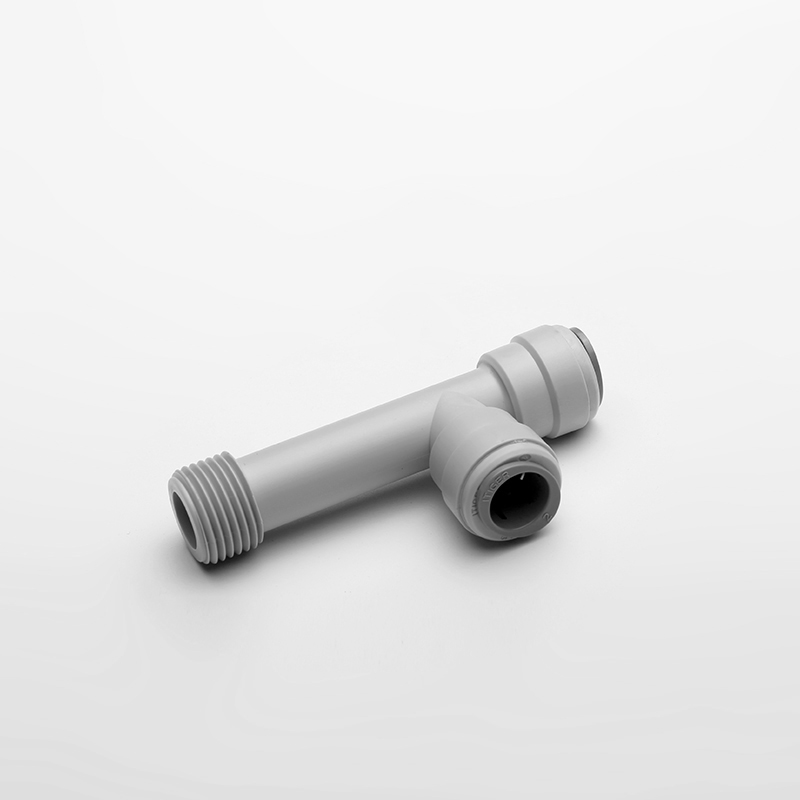
To clean plastic air line quick connectors, disconnect the tubing from the connector and use a mild detergent or solvent to clean the connector. Use a soft brush or cloth to scrub the connector and remove any dirt or debris. Rinse the connector thoroughly with clean water and allow it to dry completely before reassembling the connection. It is important to avoid using harsh chemicals or abrasive materials when cleaning the connectors, as this can damage the plastic and compromise the integrity of the connection.
In conclusion, proper installation and maintenance of plastic air line quick connectors are essential to ensure the efficiency and longevity of pneumatic systems. By following the steps outlined in this article, you can ensure that your connectors are properly installed and maintained, allowing for reliable and leak-free connections in your pneumatic system. Remember to always check compatibility, prepare the air lines correctly, tighten connections securely, and regularly inspect and clean the connectors to keep your pneumatic system running smoothly.