Table of Contents
Proper Steps for Calibrating the Aster ph meter PO-650
Calibrating a ph meter is an essential step in ensuring accurate and reliable measurements. The Aster ph meter PO-650 is a popular choice among professionals in various industries for its precision and ease of use. In this article, we will discuss the proper steps for calibrating the Aster ph meter PO-650 to maintain its accuracy and performance.
Before starting the calibration process, it is important to gather all the necessary equipment. You will need calibration buffers of pH 4.01, 7.00, and 10.01, as well as distilled water for rinsing the electrode between calibrations. Make sure that the buffers are fresh and not expired, as using old buffers can lead to inaccurate results.
To begin the calibration process, turn on the ph meter and allow it to warm up for at least 30 minutes to ensure stable readings. Once the meter is ready, immerse the electrode in the pH 7.00 buffer solution and wait for the reading to stabilize. Adjust the calibration knob until the display shows a pH value of 7.00. Rinse the electrode with distilled water and repeat the process with the pH 4.01 and 10.01 buffer solutions, adjusting the calibration knob accordingly.
It is important to note that calibration should be done in a specific order, starting with the pH 7.00 buffer solution, followed by the pH 4.01 buffer solution, and ending with the pH 10.01 buffer solution. This sequence ensures that the ph meter is properly calibrated across the entire pH range.
After calibrating the ph meter with the three buffer solutions, it is recommended to perform a two-point calibration to verify the accuracy of the readings. This can be done by using a pH 4.01 and 7.00 buffer solution or a pH 7.00 and 10.01 buffer solution. Immerse the electrode in the first buffer solution and adjust the calibration knob to match the pH value. Rinse the electrode with distilled water and repeat the process with the second buffer solution. If the readings are within an acceptable range, the ph meter is properly calibrated.
It is important to calibrate the ph meter regularly to ensure accurate measurements. The frequency of calibration depends on the frequency of use and the nature of the samples being tested. For most applications, it is recommended to calibrate the ph meter before each use or at least once a day.
In addition to regular calibration, proper maintenance of the ph meter is essential to prolong its lifespan and ensure accurate readings. Always store the ph meter in a clean and dry environment, and avoid exposing it to extreme temperatures or direct sunlight. Clean the electrode regularly with a soft brush and mild detergent to remove any buildup or contaminants that may affect the readings.
In conclusion, calibrating the Aster ph meter PO-650 is a straightforward process that can be done quickly and easily with the right equipment and proper technique. By following the steps outlined in this article and maintaining the ph meter regularly, you can ensure accurate and reliable measurements for your applications.
Common Mistakes to Avoid During the Calibration of the Aster ph meter PO-650
Calibrating a ph meter is a crucial step in ensuring accurate and reliable measurements. The Aster ph meter PO-650 is a popular choice among professionals for its precision and ease of use. However, there are common mistakes that users often make during the calibration process that can lead to inaccurate readings. In this article, we will discuss some of these mistakes and provide tips on how to avoid them.
One common mistake that users make during the calibration of the Aster ph meter PO-650 is not properly preparing the calibration solutions. It is important to use fresh calibration solutions and ensure that they are at the correct temperature before starting the calibration process. Failure to do so can result in inaccurate readings and the need to recalibrate the meter.
Another mistake that users often make is not allowing the ph meter to stabilize before taking readings. It is important to allow the meter to equilibrate to the temperature of the sample before taking measurements. This ensures that the readings are accurate and consistent. Failure to do so can result in fluctuating readings and the need to recalibrate the meter.
Users should also be careful not to contaminate the calibration solutions or the ph meter itself. Contamination can lead to inaccurate readings and the need to recalibrate the meter. It is important to clean the ph meter and the calibration solutions before use and to handle them with care to avoid contamination.
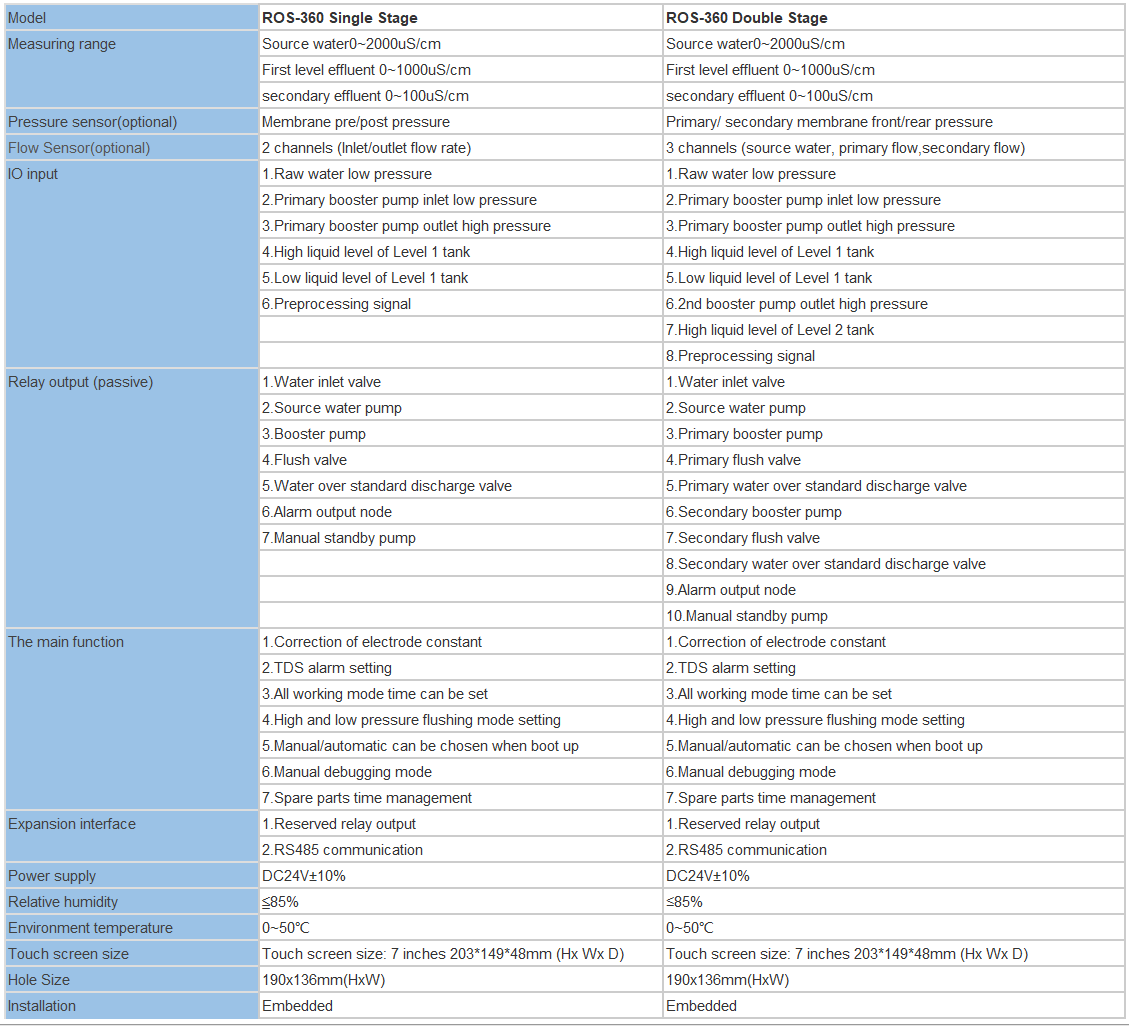
One of the most common mistakes that users make during the calibration of the Aster ph meter PO-650 is not following the manufacturer’s instructions. It is important to carefully read and follow the calibration procedure outlined in the user manual to ensure accurate and reliable measurements. Failure to do so can result in inaccurate readings and the need to recalibrate the meter.
Users should also be mindful of the calibration frequency recommended by the manufacturer. It is important to calibrate the ph meter regularly to ensure accurate and reliable measurements. Failure to calibrate the meter at the recommended frequency can result in inaccurate readings and the need to recalibrate the meter.
| Model | EC-1800 online conductivity controller |
| Range | 0-2000/4000uS/cm 0-20/200mS/cm |
| 0-1000/2000PPM | |
| Accuracy | 1.5%, 2%, 3%(FS) |
| Temp. Comp. | Automatic temperature compensation based on 25\u2103 |
| Oper. Temp. | Normal 0\uff5e50\u2103; High temp 0\uff5e120\u2103 |
| Sensor | C=0.1/1.0/10.0cm-1 |
| Display | 128*64 LCD Screen |
| Communication | 4-20mA output/2-10V/1-5V/RS485 |
| Output | High/Low limit dual relay control |
| Power | AC 220V\u00b110% 50/60Hz or AC 110V\u00b110% 50/60Hz or DC24V/0.5A |
| Working Environment | Ambient temperature:0\uff5e50\u2103 |
| Relative humidity\u226485% | |
| Dimensions | 96\u00d796\u00d7100mm(H\u00d7W\u00d7L) |
| Hole Size | 92\u00d792mm(H\u00d7W) |
| Installation Mode | Embedded |
In conclusion, calibrating the Aster ph meter PO-650 is a critical step in ensuring accurate and reliable measurements. By avoiding common mistakes such as not properly preparing calibration solutions, not allowing the meter to stabilize before taking readings, and not following the manufacturer’s instructions, users can ensure that their ph meter provides accurate and consistent results. By calibrating the meter regularly and handling it with care, users can maintain the accuracy and reliability of their measurements.