Table of Contents
Importance of Calibrating DP Flow Transmitter for Accurate Measurements
Calibrating a DP flow transmitter is a critical step in ensuring accurate measurements in various industrial processes. DP flow transmitters are commonly used in industries such as oil and gas, chemical, and water treatment to measure the flow rate of liquids and gases. These measurements are crucial for maintaining process efficiency, ensuring product quality, and meeting regulatory requirements.
| Product Model | DOF-6310\u00a0(DOF-6141) |
| Product Name | Dissolved oxygen data collection terminal |
| Measuring Method | Fluorescence Method |
| Measurement range | 0-20mg/L |
| Accuracy | \u00b10.3mg/L |
| Resolution \u00a0\u00a0 | 0.01mg/L |
| Response time | 90s |
| Repeatibility | 5%RS |
| Temperature compensation | 0-60.0\u2103 Accuracy:\u00b10.5\u2103 |
| Air pressure compensation | 300-1100hPa |
| Stand pressure | 0.3Mpa |
| Communication | RS485 MODBUS-RTU standard protocol |
| Power | DC(9-28)V |
| Power comsuption | <2W |
| Operational envrionment | Temperature:(0-50)\u2103 |
| Storage Environment | Temperature:(-10-60)\u2103;\u00a0Humidity:\u226495%RH(None condensation) |
| Installation | Submerged |
| Protection Level | IP68 |
| Weight | 1.5Kg(with 10m cable) |
One of the main reasons why calibrating a DP flow transmitter is important is to ensure accuracy. Over time, factors such as wear and tear, environmental conditions, and changes in the process can affect the performance of the transmitter. By calibrating the transmitter regularly, you can verify its accuracy and make any necessary adjustments to ensure that it is providing reliable measurements.
Calibrating a DP flow transmitter also helps to identify any drift or errors in the measurement. Drift can occur due to factors such as changes in temperature, pressure, or the properties of the fluid being measured. By calibrating the transmitter, you can detect any drift and make the necessary corrections to ensure that the measurements are accurate and consistent.
In addition to ensuring accuracy and detecting drift, calibrating a DP flow transmitter can also help to optimize the performance of the transmitter. By calibrating the transmitter, you can fine-tune its settings to improve its sensitivity, response time, and overall performance. This can help to enhance the efficiency of the process and reduce the risk of errors or malfunctions.
Another important reason to calibrate a DP flow transmitter is to meet regulatory requirements. Many industries are subject to strict regulations governing the accuracy and reliability of flow measurements. By calibrating the transmitter regularly and keeping detailed records of the calibration process, you can demonstrate compliance with these regulations and avoid potential fines or penalties.
Calibrating a DP flow transmitter is a complex process that requires specialized equipment and expertise. It involves comparing the output of the transmitter against a known standard and making adjustments to ensure that the measurements are accurate. This process should be carried out by trained technicians who have the knowledge and skills to perform the calibration correctly.
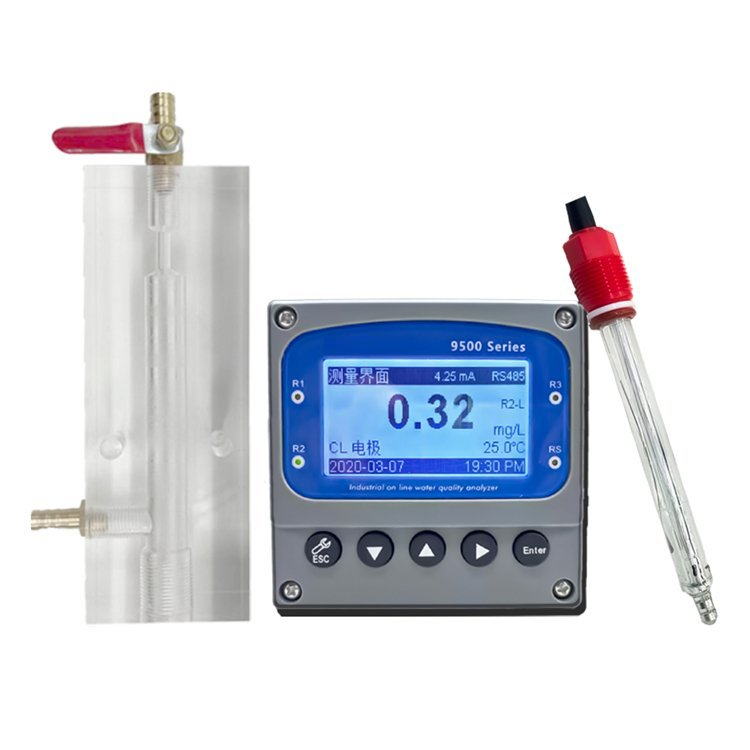
There are several methods that can be used to calibrate a DP flow transmitter, including bench calibration, in-line calibration, and field calibration. Each method has its own advantages and limitations, and the choice of method will depend on factors such as the type of transmitter, the accuracy requirements, and the availability of resources.
In conclusion, calibrating a DP flow transmitter is essential for ensuring accurate measurements, detecting drift, optimizing performance, and meeting regulatory requirements. By calibrating the transmitter regularly and following best practices, you can maintain the reliability and accuracy of your flow measurements and ensure the smooth operation of your industrial processes. It is important to invest in proper calibration equipment and training for your technicians to ensure that the calibration process is carried out correctly and effectively.
Step-by-Step Guide to Calibrating DP Flow Transmitter
Calibrating a DP flow transmitter is a crucial step in ensuring accurate and reliable flow measurements in industrial processes. Proper calibration helps to maintain the integrity of the data collected by the transmitter, which in turn allows for better decision-making and process optimization. In this step-by-step guide, we will walk you through the process of calibrating a DP flow transmitter to ensure accurate and reliable flow measurements.
The first step in calibrating a DP flow transmitter is to gather all the necessary equipment. This includes a calibration kit, a pressure source, a digital multimeter, and a laptop or computer with calibration software. It is important to ensure that all equipment is in good working condition before starting the calibration process.
Once you have gathered all the necessary equipment, the next step is to connect the pressure source to the transmitter. This can be done using the appropriate fittings and tubing. It is important to ensure that the connections are secure to prevent any leaks during the calibration process.
After connecting the pressure source to the transmitter, the next step is to apply a known pressure to the transmitter. This can be done using the calibration kit and following the manufacturer’s instructions. It is important to apply the pressure slowly and steadily to allow the transmitter to respond accurately.
Once the pressure has been applied, the next step is to check the output signal of the transmitter using a digital multimeter. This will allow you to verify that the transmitter is responding correctly to the applied pressure. If the output signal is not within the specified range, adjustments may need to be made to the transmitter.
After verifying the output signal, the next step is to adjust the transmitter if necessary. This can be done using the calibration software on the laptop or computer. It is important to follow the manufacturer’s instructions when making adjustments to ensure that the transmitter is calibrated correctly.
Once the transmitter has been adjusted, the next step is to verify the calibration by applying a different pressure to the transmitter. This will allow you to confirm that the transmitter is accurately measuring flow across a range of pressures. It is important to repeat this step multiple times to ensure the accuracy of the calibration.
After verifying the calibration, the final step is to document the calibration process. This includes recording the pressure applied, the output signal of the transmitter, any adjustments made, and the verification of the calibration. This documentation is important for traceability and quality control purposes.
In conclusion, calibrating a DP flow transmitter is a critical step in ensuring accurate and reliable flow measurements in industrial processes. By following this step-by-step guide, you can calibrate your transmitter effectively and confidently. Proper calibration will help to improve the accuracy of your flow measurements and optimize your industrial processes.