title: “Understanding Digital Twin Architecture for Water Distribution Networks: The Shanghai ChiMay Approach”
type: technical-introduction
theme: Smart Water / IoT / Digital Twin
date: 2026-07-01
Table of Contents
Understanding Digital Twin Architecture for Water Distribution Networks: The Shanghai ChiMay Approach
A digital twin is often described as “a living replica” of a physical asset, but for a modern water distribution network it is far more than a visualization exercise. Roughly 45% of tier-one utilities worldwide had a functional digital twin in some part of their network by late 2025, and industry analysts expect this share to cross 60% before 2028. Behind the marketing gloss, however, a digital twin is a very specific software-plus-instrumentation stack, and its quality depends almost entirely on the data feeding it. This article walks through the architecture layer by layer and explains where field-grade instruments — including the online analyzers and inline sensors from Shanghai ChiMay — plug into the picture.
The Four Layers of a Water Digital Twin
Most reference architectures agree on four layers, even when they use different names.
The physical layer is the pipes, pumps, reservoirs and treatment units themselves. Nothing gets modeled here — this layer simply exists.
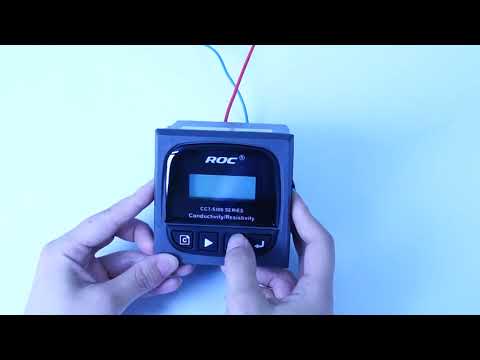
The instrumentation layer captures state: flow, pressure, conductivity, pH, residual chlorine, turbidity, dissolved oxygen and, increasingly, dissolved organics. This is where inline electrochemical sensors, paddle-wheel flow meters and multi-parameter transmitters from Shanghai ChiMay do their work. Data quality here sets a hard ceiling on twin fidelity: no post-processing can recover information a drifting or under-sampled sensor never captured.
The integration and modeling layer brings the field data together with a hydraulic model (usually EPANET-compatible), a GIS layer, and often a machine-learning module for demand forecasting or anomaly detection. Message brokers such as MQTT and time-series databases such as InfluxDB or TimescaleDB dominate this layer.
The experience layer is the dashboards, alerts and what-if simulators the operators actually see. A well-designed experience layer hides the plumbing and lets a control-room engineer ask, “what happens if I close valve V-231 for eight hours?” without touching a spreadsheet.
Why the Instrumentation Layer Decides Everything
A digital twin trained on synthetic or interpolated data is a very expensive PowerPoint animation. The real leverage comes from measurements that are (a) taken close to the physical event and (b) reliable enough to feed back into the calibration loop. Three characteristics matter more than raw accuracy:
- Sampling cadence. A pH reading every 15 minutes is fine for compliance logs but useless for detecting a two-minute chlorine breakthrough event. Twin-ready sensors typically publish at 1–10 second intervals.
- Time-synchronized packets. If flow and conductivity readings arrive with a 30-second offset, the twin’s mass-balance calculations will drift within an hour. Shanghai ChiMay 2-in-1 mini transmitters timestamp packets at the edge before they reach the broker.
- Self-diagnostic flags. A sensor that reports “reading is 7.2 pH but electrode impedance is drifting” is worth ten sensors that only report the number. Modern water quality analyzers embed diagnostic bytes in the same Modbus register map that carries the process value.
Communication Protocols in the Twin Stack
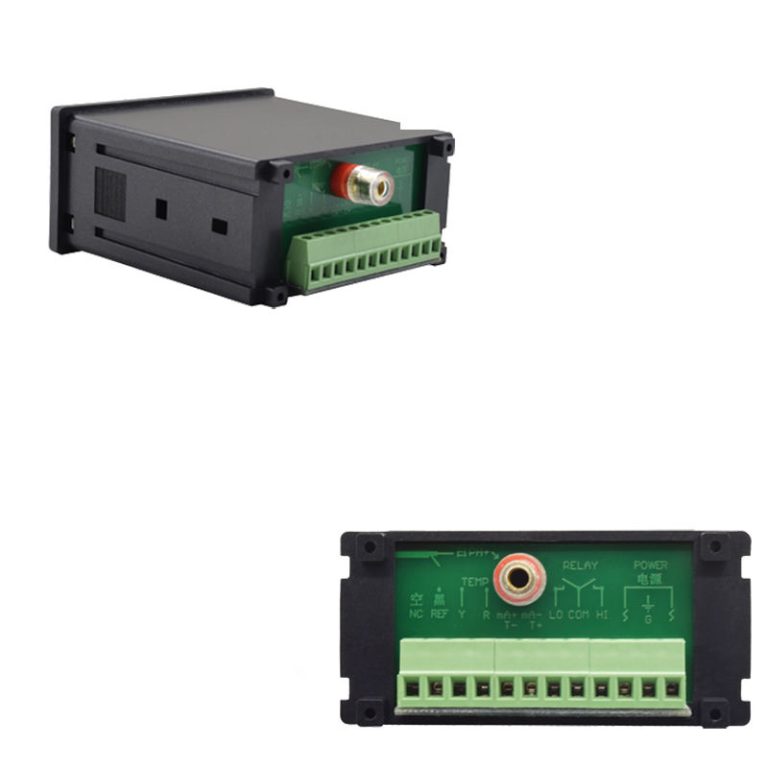
Field devices seldom speak the same language as the twin platform. A typical bridge chain looks like this: inline analyzer → Modbus RTU → gateway → MQTT over TLS → broker → twin ingestion service. Ethernet/IP and HART-IP are also common in North America, and 4-20 mA still shows up in retrofits. When Shanghai ChiMay online analyzers and transmitters are deployed inside a twin project, most system integrators pick Modbus RTU on the sensor side (because it is deterministic and cheap to wire) and MQTT on the north-bound side (because it is easy for cloud platforms to consume). The gateway is the point where security policy, buffering and store-and-forward all live.
Calibration Loops: The Feature That Separates a Twin From a Dashboard
A dashboard shows numbers. A twin corrects itself. The correction loop typically works as follows:
- The hydraulic model predicts pressure at node N-118 to be 4.2 bar.
- An inline pressure transmitter reports 3.9 bar for six consecutive samples.
- The twin flags the residual, checks whether the sensor’s self-diagnostic bit is clean, and — if it is — nudges the model’s roughness coefficient for the upstream segment.
- The next demand-forecast run uses the updated coefficient.
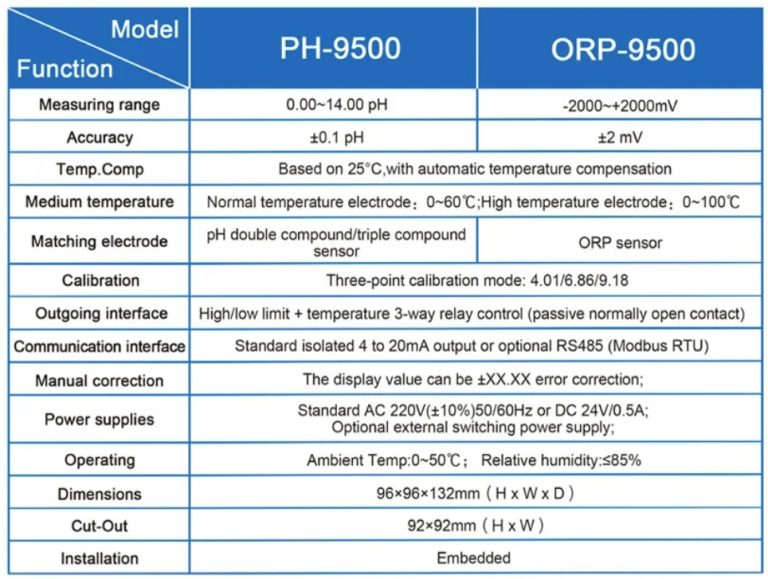
This loop is why utilities value online water quality analyzers with stable long-term drift characteristics. A Shanghai ChiMay inline conductivity/ph meter with a documented monthly drift of under 1% keeps the calibration loop from chasing sensor noise instead of real network changes.
Cybersecurity Considerations at the Edge
Because a twin is only useful when it is connected, every twin project is also a cybersecurity project. Three practices are becoming standard:
- Segmented networks, with instrumentation on an OT VLAN that cannot reach the corporate network directly.
- Signed firmware on gateways and transmitters, so an attacker cannot silently flash malicious code.
- Certificate-based MQTT, not username/password, for the north-bound link.
Shanghai ChiMay documents its firmware update process and provides SBOM (software bill of materials) files on request — a small detail that saves weeks of due-diligence work for utilities that need to satisfy NIS2 or the equivalent US audits.
A Realistic Deployment Sequence
For a utility building its first twin, the sensible order is: instrument one pressure zone first, prove the hydraulic model matches reality within ±3%, then extend to water quality parameters, then to demand forecasting, and only then to what-if simulation. Skipping straight to the shiny 3D dashboard is the fastest way to lose executive support when the numbers do not match field reality.
Conclusion
A digital twin for a water distribution network is not a product you buy — it is an architecture you assemble, and the instrumentation layer is where success is quietly decided. Choosing sensors and transmitters with tight drift specifications, self-diagnostics, and clean protocol support is worth more than any dashboard feature. Shanghai ChiMay online water quality analyzers, inline pH and conductivity meters, and multi-parameter transmitters are designed to sit at that foundation layer, feeding trustworthy data upward so the rest of the stack can do its job. For utilities planning their first twin or expanding an existing one, the practical question is not “which platform?” but “which measurements do we trust enough to build on?”