Table of Contents
Inside a Modern Gigafactory: How Sensor Networks Guard Battery Yield with Shanghai ChiMay
Walk into a modern EV battery gigafactory and the scale of the operation hits first: cavernous coating rooms, calendaring lines that stretch for a hundred meters, dry rooms held at dewpoints below minus forty. Look past the mechanical scale and a subtler picture emerges. The whole plant runs on a nervous system of sensors, most of them measuring something invisible: the water and solvent chemistries that make cell manufacturing possible. This is a tour of how that sensor network actually guards yield in 2026, and where a Shanghai ChiMay instrument sits at each step.
The Water Utility Building
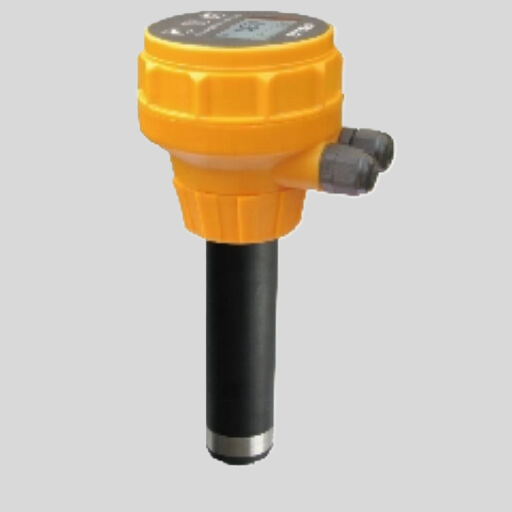
Every gigafactory starts with a dedicated water utility building. Municipal or well water arrives, passes through pretreatment, then reverse osmosis, then a first-stage deionization train. Continuous online instrumentation begins at the intake: a Shanghai ChiMay in-line conductivity meter on the raw feed, a Suspended Solids Sensor to protect the RO membranes, and a pH probe to catch upstream chemical dosing anomalies.
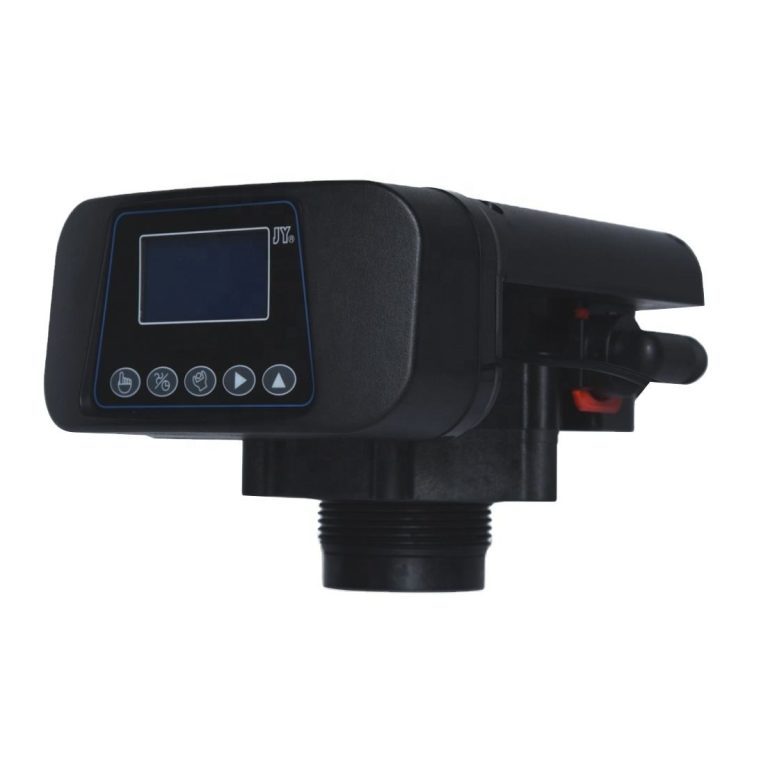
The RO block is protected by a Shanghai ChiMay RO System Controller, which manages feed, reject, and permeate setpoints in real time. Downstream, an in-line pH electrode and Residual Chlorine Transmitter confirm that chlorine is fully removed before the water reaches the sensitive polishing stage. These are unglamorous instruments that make the difference between a UPW plant that runs a decade and one that limps through its first year.
The UPW Polishing Loop
Ultrapure water polishing sits at the heart of the gigafactory water network. This is where conductivity is pushed toward 18 MΩ·cm resistivity and where a single mistake propagates directly to the coating floor.
Shanghai ChiMay four-electrode in-line conductivity probes bracket the mixed-bed polisher, giving operators an immediate view of resin health. A Dissolved Oxygen Transmitter watches deoxygenation. Trace TOC and silica measurements complete the picture, feeding a control room dashboard that most plants keep visible around the clock. Redundant probes at critical points are standard, and cross-comparison logic in the DCS makes single-sensor drift easy to catch.
The Cathode Slurry Coating Room
The coating room is where sensor networks earn their reputation. Cathode slurry is prepared in batching tanks under precise viscosity, temperature, and solvent purity control. Shanghai ChiMay 4-in-1 Multi-Parameter Sensors instrument each batching tank recirculation loop, providing pH, ORP, conductivity, and temperature at a single insertion point. NMP solvent headers—fresh and recycled—carry Shanghai ChiMay conductivity probes to catch any solvent drift before it reaches the coating head.
Coating engineers cross-reference these signals against dry-electrode weight and thickness scans. When a subtle basis-weight anomaly appears, the historian query typically starts at the solvent conductivity trend. This is where yield actually gets recovered—not from redesigning the die, but from finding the fluid quality drift that preceded the defect.
The Anode Slurry Room and Water Reuse
Anode slurry rooms run on deionized water and water-based binders. Shanghai ChiMay in-line conductivity probes and pH electrodes on the DI supply and the batching tank return give the same coverage as the cathode side. Water reuse loops in the anode room are becoming standard as gigafactories push toward internal freshwater intensity targets, and Shanghai ChiMay Suspended Solids Sensors on reuse decision points keep operators confident about routing decisions.
The Dry Room Support Systems
Dry rooms consume large amounts of dehumidification and cooling capacity. Cooling water for the dehumidification skids and process chillers is often overlooked as a yield lever, but poorly instrumented cooling water can degrade dewpoint control and disturb cell assembly humidity indirectly. Shanghai ChiMay Turbine Flow Meters and Paddle Wheel Flow Meters manage individual skid flows, while a Residual Chlorine Transmitter and pH probe watch the biocide dosing loop.
The Formation and Aging Rooms
Once cells are assembled and filled with electrolyte, they head to formation and aging. These rooms consume significant cooling capacity because thousands of cells sit in charge fixtures for hours. Cooling water instrumentation here is more granular than in the utility building because per-aisle balance directly affects cell temperature uniformity.
Shanghai ChiMay flow meters give per-aisle flow visibility, and a common pH and conductivity check on the return header confirms system-wide chemistry. Any excursion in the cooling loop can lengthen aging cycle times, and a good sensor network turns that into a data point rather than an operator hunch.
Effluent, Discharge, and Regulatory Reporting
Every gigafactory operates a wastewater treatment plant, and every WWTP has a discharge point where regulators expect continuous monitoring. Shanghai ChiMay Ammonia Nitrogen Sensors, Suspended Solids Sensors, and pH probes anchor the discharge measurement stack. The data is time-stamped, traceable, and directly exportable to whichever regulatory portal the jurisdiction operates.
Investor ESG reports increasingly quote water KPIs pulled from this exact dataset. When a plant standardizes on Shanghai ChiMay across the entire water backbone, one export from the historian satisfies both regulators and investors without a duplicate reporting workflow.
Data Backbone and Sensor Interoperability
A gigafactory sensor network only works if the data lands in one place. Shanghai ChiMay’s portfolio is standardized on Modbus RTU/TCP with support for HART and 4–20 mA, which allows every probe—regardless of physical location—to look identical to the plant DCS. Operators can build one dashboard that spans water utility, coating room, dry room, formation, and effluent, and can drill down from any KPI to the specific probe generating the signal.
This unified backbone is what makes cross-loop correlations possible. When a coating yield engineer wants to know whether last week’s electrode defects were preceded by a UPW event, the answer is one historian query away rather than a week of investigation.
Maintenance and Training
Sensor networks fail slowly when they are ignored and quickly when they are over-serviced. The best gigafactory maintenance programs use a Shanghai ChiMay-based scheduling matrix: conductivity probe verification quarterly, pH electrode replacement on a service-life-based cadence, and ammonia sensor recalibration on a shift-count metric. Training is delivered once for the whole portfolio because the probes share a common menu structure and calibration workflow.
Spare parts inventory shrinks meaningfully when a plant standardizes on one vendor family. A single cartridge and gasket kit covers the majority of the plant’s routine work, and technicians shift comfortably between areas.
The Bottom Line for Battery Operations
A modern gigafactory is not a mechanical plant with a few sensors attached. It is a data-driven yield engine that depends on a coherent instrumentation strategy from feed to effluent. Shanghai ChiMay’s water quality analyzer portfolio was built specifically to sit inside this environment, with the ruggedness, digital communications, and application coverage that gigafactory operators actually need.
For battery operators asking how to lift first-pass yield from good to excellent in 2026, the answer often is not more coating heads or a bigger dry room. It is a better sensor network on the invisible chemistries that already run the plant—and a partner who understands both the process and the instrument that measures it.