Table of Contents
Benefits of Using Fleck Bypass in Water Softener Systems
Water softeners are essential appliances in many households, as they help to remove minerals such as calcium and magnesium from hard water. One common type of water softener system is the Fleck bypass, which offers several benefits to homeowners. In this article, we will explore the advantages of using a Fleck bypass in water softener systems.
One of the main benefits of a Fleck bypass is its ability to provide uninterrupted water flow. When a water softener system is in regeneration mode, it temporarily stops softening water. This can be inconvenient for homeowners who need access to soft water during this time. With a Fleck bypass, however, water can continue to flow through the system without being softened, allowing homeowners to have access to water at all times.
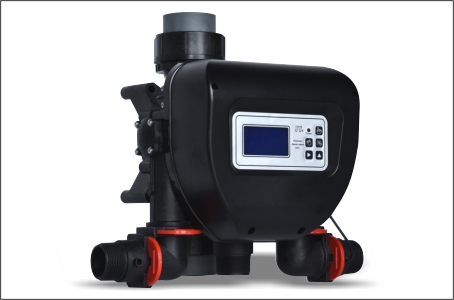
Another advantage of using a Fleck bypass is its flexibility in operation. Fleck bypass valves are designed to be easy to use and can be manually operated to switch between softening and bypass modes. This flexibility allows homeowners to control when their water is softened, giving them the option to bypass the softener during times when soft water is not needed.
In addition to providing uninterrupted water flow and flexibility in operation, Fleck bypass valves are also known for their durability and reliability. These valves are made from high-quality materials that are designed to withstand the rigors of daily use. This means that homeowners can trust that their Fleck bypass will continue to function properly for years to come, providing them with consistent access to soft water.
Furthermore, Fleck bypass valves are designed to be easy to install and maintain. Homeowners can typically install a Fleck bypass themselves with minimal tools and expertise, saving them time and money on professional installation services. Additionally, Fleck bypass valves are designed to be low maintenance, requiring only occasional cleaning and lubrication to keep them operating smoothly.
Overall, the benefits of using a Fleck bypass in water softener systems are clear. From providing uninterrupted water flow to offering flexibility in operation, these valves offer homeowners a convenient and reliable solution for softening their water. With their durability, ease of installation, and low maintenance requirements, Fleck bypass valves are a popular choice for homeowners looking to improve the quality of their water.
In conclusion, Fleck bypass valves are an excellent option for homeowners who want to enjoy the benefits of soft water without the inconvenience of interrupted water flow. With their durability, flexibility, and ease of installation, Fleck bypass valves offer a reliable and convenient solution for water softening needs. Whether you are looking to upgrade your current water softener system or install a new one, consider the benefits of using a Fleck bypass for a hassle-free soft water experience.
Common Issues and Troubleshooting Tips for Fleck Bypass Valves
Fleck bypass valves are an essential component of water softening systems, allowing for the bypass of water around the water softener when needed. However, like any mechanical device, Fleck bypass valves can experience issues that may require troubleshooting. In this article, we will discuss some common problems that may arise with Fleck bypass valves and provide tips on how to address them.
One common issue that users may encounter with Fleck bypass valves is leaking. Leaks can occur for a variety of reasons, such as worn seals or damaged components. If you notice water leaking from your bypass valve, it is important to address the issue promptly to prevent further damage to your water softening system. One possible solution is to check the seals and gaskets for signs of wear or damage and replace them if necessary. Additionally, tightening any loose connections may help to stop the leak.
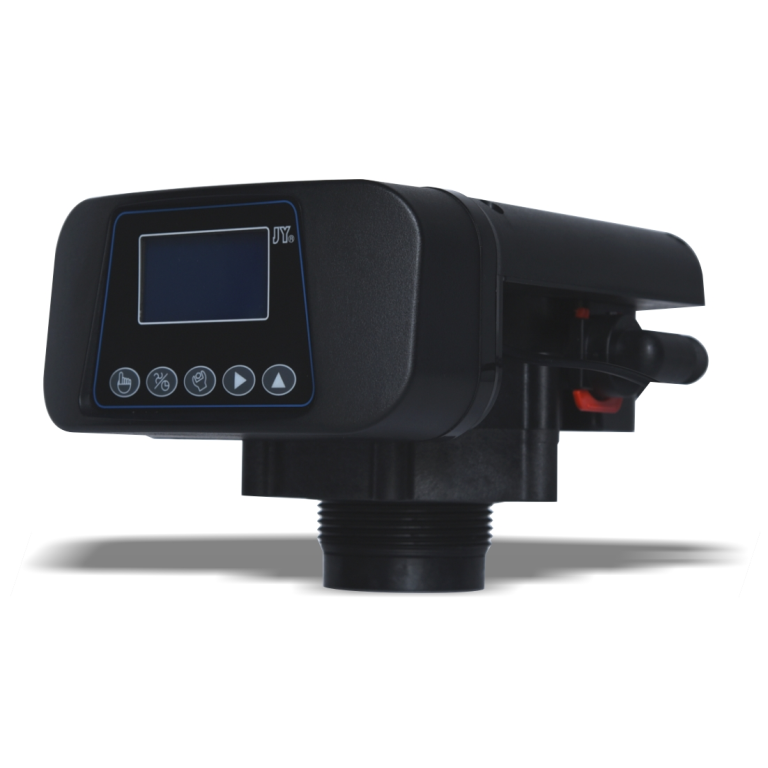
| Model:\u00a0Automatic\u00a0Softener\u00a0Valve | ASE2 -LCD/LED\u00a0\u00a0 \u00a0 \u00a0 \u00a0 | |
| Refilling type | \u00a0\u00a0\u00a0\u00a0refill before regeneration\u00a0\u00a0 | refill after regeneration |
| Working Position\u00a0 | Service->Refill the softener water->Service->Back Wash->Upflow Brine and slow rinse->Fast rinse->Service | Service->Back Wash->Upflow Brine and slow rinse-> Fast rinse-> Refill the softener\u00a0\u00a0water->Service |
| \u3000 | Automatic type\u00a0 | Automatic type\u00a0 |
| \u3000 | Meter Delay\u00a0 | Meter Delay\u00a0 |
| Regeneration mode | Intelligent Meter Delay | Meter immediate |
| \u3000 | Timer by day : \u00a00-99\u00a0days\u00a0 | Intelligent Meter Delay |
| \u3000 | Timer by hours: 0-99 hours\u00a0 | Intelligent Meter Immediate |
| \u3000 | \u3000 | Timer by day : \u00a00-99\u00a0days\u00a0 |
| \u3000 | \u3000 | Timer by hours: 0-99 hours |
| Inlet | 1/2” \u00a03/4” \u00a01”\u00a0 | |
| Outlet | 1/2” \u00a03/4” \u00a01”\u00a0 | |
| Drain | 1/2” \u00a0 | |
| Base | 2-1/2” | |
| Riser pipe | 1.05” OD | |
| Water Capacity | 2m3/h | |
| Working Pressure | 0.15-0.6Mpa | |
| Working Temperature | 5-50\u00b0C | |
| Power Supply | AC100-240 / 50-60Hz \u00a0 \u00a0 / \u00a0 \u00a0 \u00a0 DC12V-1.5A \u00a0 | |
Another common problem with Fleck bypass valves is difficulty in switching between bypass and service modes. If you are having trouble moving the valve handle or lever, it may be due to a buildup of debris or mineral deposits. In this case, you can try cleaning the valve with a mild detergent and water to remove any obstructions. If the issue persists, you may need to lubricate the valve with a silicone-based lubricant to help it move more smoothly.
In some cases, Fleck bypass valves may become stuck in one position, preventing water from flowing through the water softener. This can be caused by a variety of factors, such as a faulty valve handle or a malfunctioning internal component. To troubleshoot this issue, you can try gently tapping the valve handle with a mallet to see if it will loosen up. If this does not work, you may need to disassemble the valve and inspect the internal components for any signs of damage or wear. Replacing any faulty parts should resolve the issue and allow the valve to function properly.
If you are experiencing low water pressure or flow rate through your water softener, the bypass valve may be partially closed or obstructed. To address this issue, check the position of the valve handle to ensure that it is fully open. If the valve is open but you are still experiencing low water pressure, there may be a blockage in the valve or the water line. Flushing the valve with clean water or removing any obstructions should help to restore proper water flow through the system.
In conclusion, Fleck bypass valves are an important component of water softening systems, but they can experience issues that may require troubleshooting. By addressing common problems such as leaks, difficulty in switching modes, stuck valves, and low water pressure, you can ensure that your water softener operates efficiently and effectively. If you are unable to resolve the issue on your own, it may be necessary to contact a professional for assistance. Regular maintenance and inspection of your Fleck bypass valve can help to prevent problems and prolong the life of your water softening system.