Table of Contents
Real-Time Chloride Analysis for Preventing Stress Corrosion Cracking
Key Takeaways
- Chloride-induced stress corrosion cracking (SCC) accounts for 22% of all equipment failures in chemical processing facilities
- Real-time chloride monitoring provides 48-72 hours of advance warning compared to weekly laboratory testing
- Austenitic stainless steel experiences SCC when chloride concentrations exceed 25 ppm at stress levels above 50% yield strength
- Continuous monitoring systems reduce SCC-related failures by 60-75% through early intervention
Failure Mechanism Overview
Stress corrosion cracking represents one of the most insidious failure mechanisms in chemical processing equipment. Unlike general corrosion that produces predictable material loss, SCC causes sudden, catastrophic failure with minimal visible warning. The combination of tensile stress, specific chemical environment (typically chlorides), and susceptible metallurgy creates conditions for rapid crack propagation.
Introduction
Chemical processing facilities face unique challenges from chloride-induced stress corrosion cracking. Many common process streams contain varying chloride concentrations, from cooling water systems (< 100 ppm) to aggressive chemical processes (> 10,000 ppm). Austenitic stainless steel equipment, the dominant material in chemical processing, demonstrates particular susceptibility to chloride SCC when operating within vulnerable temperature ranges.
This article examines the mechanisms of chloride-induced SCC, the critical role of real-time monitoring in prevention, and the technical capabilities of modern chloride analysis instrumentation.
Understanding Stress Corrosion Cracking
Failure Mechanism
Stress corrosion cracking requires the simultaneous presence of three factors:
- Susceptible Material: Austenitic stainless steels (304, 316), aluminum alloys, brass
- Specific Environment: Chlorides, hydroxides, sulfides, nitrates
- Tensile Stress: Applied or residual stresses above threshold levels
Critical Threshold Values (for Type 304 stainless steel):
| Condition | Threshold |
|———–|———–|
| Chloride concentration | > 25 ppm |
| Temperature | > 50°C (122°F) |
| Dissolved oxygen | > 0.5 ppm |
| Stress level | > 50% yield strength |
| pH range | 4.0-10.0 |
Research from the National Association of Corrosion Engineers (NACE) indicates that crack propagation rates in chloride environments can reach 1-10 mm/hour once initiated, making rapid detection critical.
Crack Morphology
SCC cracks typically exhibit characteristic branching patterns:
- Transgranular SCC: Crack propagates through grains (common in chlorides above 100°C)
- Intergranular SCC: Crack follows grain boundaries (associated with sensitization)
- Mixed Mode: Combination of both patterns depending on specific conditions
Chloride Concentration Measurement Technologies
Titration Methods
Mercurimetric Titration:
– High accuracy: ±1% of reading
– Low detection limit: 1 ppm
– Requires skilled operator
– Not suitable for continuous monitoring
Silver Nitrate Titration:
– Moderate accuracy: ±3% of reading
– Detection limit: 5 ppm
– Simpler than mercurimetric
– Manual or semi-automatic operation
Electrochemical Methods
Chloride Ion-Selective Electrodes:
Modern chloride ISE technology provides continuous monitoring suitable for process applications:
| Specification | Typical Performance |
|---|---|
| Measurement range | 1.8-35,000 ppm |
| Accuracy | ±2-5% of reading |
| Response time | 90% in < 30 seconds |
| Temperature range | 0-80°C |
| Interference | Sulfide, bromide, iodide |
| Calibration frequency | Every 2-4 weeks |
Shanghai ChiMay’s chloride ion-selective electrodes utilize solid-state membrane technology that demonstrates superior resistance to interference compared to conventional liquid-state electrodes. The solid-state design extends maintenance intervals to 4-6 weeks in typical cooling water applications.
Colorimetric Methods
Mercury Thiocyanate Method:
– High accuracy: ±1-2%
– Low detection limit: 0.1 ppm
– Excellent for low chloride applications
– Requires reagent consumption
– Potential environmental/health concerns with mercury reagents
Ferric Thiocyanate Method:
– Good accuracy: ±3-5%
– Moderate detection limit: 1 ppm
– Safer reagents than mercury methods
– Requires periodic reagent replacement
Online Analyzer Systems
Modern online chloride analyzers combine sample conditioning, reagent delivery, and measurement in automated systems:
Typical Specifications:
– Measurement range: 0.1-10,000 ppm (configurable)
– Precision: ±2% of range
– Sample flow rate: 50-200 mL/min
– Reagent consumption: 0.5-2 L/month
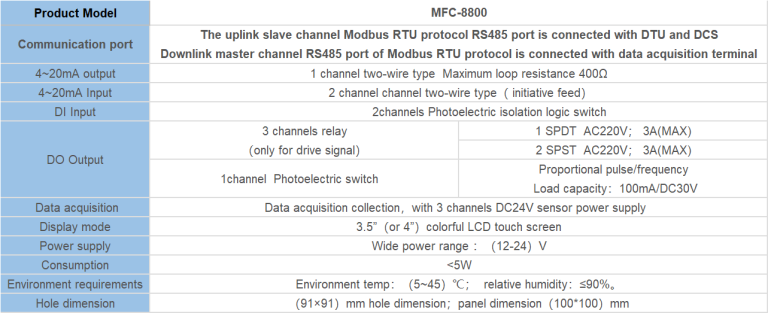
– Output signals: 4-20 mA, HART, Modbus
– Protection rating: IP65/NEMA 4X
Critical Monitoring Locations
Cooling Water Systems
Cooling towers concentrate chlorides through evaporative losses. Monitoring locations should include:
- Makeup Water: Establishes baseline chloride concentration
- Basin Water: Primary monitoring point for treatment control
- Bleed-off Stream: Confirms concentration control
- Critical Equipment Drains: Detects chloride leaks from process
Alert Threshold Guidelines:
| Basin Chloride Level | SCC Risk | Recommended Action |
|———————|———-|——————-|
| < 100 ppm | Low | Standard monitoring |
| 100-300 ppm | Moderate | Enhanced monitoring |
| 300-600 ppm | High | Treatment adjustment |
| > 600 ppm | Severe | Immediate action required |
Process Steam Systems
Steam condensate return systems frequently experience chloride contamination from boiler water treatment or process leaks:
- Condensate Return Header: Detects any chloride intrusion
- Boiler Feedwater: Monitors makeup quality
- Steam Trap Drains: Identifies localized contamination
Heat Exchanger Monitoring
Installing chloride monitors immediately upstream and downstream of critical heat exchangers enables rapid leak detection:
Leak Detection Sensitivity:
– Typical detection time: 4-8 hours from leak initiation
– Minimum detectable leak rate: 0.5 L/hour of seawater or equivalent
– False positive rate with dual-point monitoring: < 5%
Integration with Corrosion Management
Multi-Parameter Monitoring
Effective SCC prevention requires integrated monitoring of chloride and other contributing factors:
| Parameter | Influence on SCC | Monitoring Priority |
|---|---|---|
| Chloride | Direct cause | Continuous |
| Temperature | Accelerates crack growth | Continuous |
| Dissolved Oxygen | Promotes anodic dissolution | Continuous |
| pH | Affects crack propagation rate | Continuous |
| Stress Level | Required for crack initiation | Design/fatigue analysis |
Predictive Alerting
Modern monitoring systems correlate multiple parameters to provide predictive alerts:
Algorithm Components:
1. Chloride concentration vs. threshold
2. Temperature contribution factor
3. Stress concentration estimates
4. Historical failure probability
5. Equipment remaining life calculations
Alert Classifications:
| Risk Level | Calculated Failure Probability | Response Time |
|————|——————————–|—————|
| Low | < 5% per year | Schedule within 30 days |
| Moderate | 5-15% per year | Schedule within 7 days |
| High | 15-30% per year | Schedule within 48 hours |
| Critical | > 30% per year | Immediate action |
Economic Impact Analysis
Failure Cost Documentation
Stress corrosion cracking failures generate substantial costs beyond direct repair expenses:
| Cost Component | Typical Range | % of Total |
|---|---|---|
| Equipment repair/replacement | $15,000-250,000 | 35-45% |
| Production loss | $50,000-500,000 | 40-55% |
| Environmental cleanup | $10,000-100,000 | 5-10% |
| Regulatory penalties | $5,000-50,000 | 2-5% |
| Investigation and root cause | $5,000-25,000 | 3-5% |
Monitoring Investment Justification
Continuous chloride monitoring provides clear return on investment:
Investment Example:
– Online chloride analyzer: $8,000-15,000
– Installation and integration: $3,000-6,000
– Annual maintenance: $1,500-3,000
– Expected SCC failure probability reduction: 60-75%
– Average failure cost: $150,000
– Expected annual savings: $90,000-112,500
– Payback period: < 3 months
Best Practices for Chloride Monitoring
Installation Guidelines
- Sample Point Selection: Choose locations representative of process conditions with adequate sample flow
- Sample Conditioning: Filter samples > 100 μm, cool to < 40°C for analyzer protection
- Calibration Verification: Perform two-point verification weekly, full calibration monthly
- Data Management: Log all measurements with timestamps, configure historian for trend analysis
- Alarm Configuration: Set escalating alerts based on equipment criticality and SCC risk factors
Maintenance Requirements
| Task | Frequency | Responsible |
|---|---|---|
| Visual inspection | Weekly | Operator |
| Calibration verification | Weekly | Instrument technician |
| Electrode cleaning | Monthly | Instrument technician |
| Full calibration | Quarterly | Specialist |
| Membrane replacement | Every 6-12 months | Specialist |
| Analyzer calibration | Per manufacturer guidelines | Specialist |
Conclusion
Chloride-induced stress corrosion cracking represents a significant threat to chemical processing equipment reliability. Real-time chloride monitoring provides the early warning necessary to prevent catastrophic failures while optimizing water treatment costs.
Shanghai ChiMay’s chloride monitoring solutions include both ion-selective electrode systems for continuous monitoring and automated titration analyzers for high-accuracy applications. Combined with appropriate temperature, pH, and stress monitoring, these systems form essential components of comprehensive SCC prevention programs.
Word count: 1,267