title: Oil-in-Water Detection for Synthetic Fiber Effluent: A Shanghai ChiMay Field Study
date: 2026-06-27
Table of Contents
Oil-in-Water Detection for Synthetic Fiber Effluent: A Shanghai ChiMay Field Study
Key Takeaways:
– Synthetic fiber spinning generates oil-bearing effluent at concentrations of 15–250 mg/L depending on fiber type and process line
– Spin finishes contribute 40–65% of total oil load in polyester and nylon production effluent
– Regulatory discharge limits for oil and grease typically fall between 5 and 15 mg/L across major jurisdictions
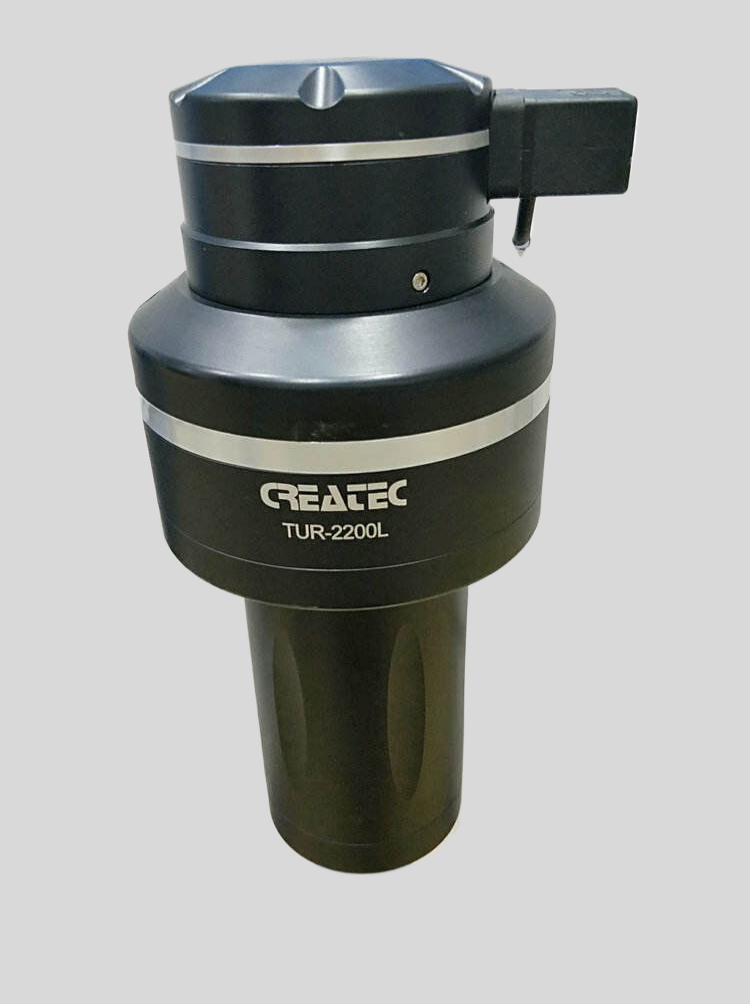
– Shanghai ChiMay oil-in-water sensors detect dispersed and dissolved hydrocarbons down to 0.1 mg/L
– Continuous online detection reduces tertiary polishing chemical consumption by 25–34%
Introduction
Synthetic fiber manufacturing—polyester, nylon, acrylic, and polypropylene—occupies an outsized share of modern textile production. Each of these processes relies on spin finishes, lubricants, and coning oils that ultimately enter the effluent stream. The resulting oil-in-water emulsions create some of the most challenging wastewater profiles in the textile industry: visually deceptive, biologically inhibiting, and chemically resistant to conventional treatment.
The United Nations Industrial Development Organization (UNIDO) Sustainable Polymer Manufacturing Report 2026 documents that 62% of synthetic fiber facility compliance excursions involve oil and grease violations, even when other parameters remain within permit. Online oil-in-water detection has emerged as the critical instrumentation gap that conventional textile monitoring has historically failed to address.
Sources of Oil in Synthetic Fiber Effluent
Oil enters synthetic fiber effluent from several process sources:
- Spin finishes — Applied at melt-spinning to provide static control, lubrication, and cohesion
- Coning and texturing oils — Used to enable winding and texturing operations
- Sizing residuals — From subsequent weaving operations
- Equipment lubricants — Maintenance hydrocarbons released during routine operations
- Solvent residuals — Particularly in acrylic dimethylformamide processes
Each source contributes differently to total oil load. Spin finishes typically dominate the contribution, accounting for 40–65% of measurable oil and grease in raw effluent.
Measurement Technologies for Oil Detection
Several measurement principles serve oil-in-water analysis, each with distinct strengths:
| Technology | Detection Range | Best Use Case | Limitations |
|---|---|---|---|
| UV-fluorescence | 0.01–500 mg/L | Aromatic hydrocarbons | Cannot detect aliphatic oils |
| Infrared absorbance | 0.5–1000 mg/L | Broad hydrocarbon coverage | Solvent-extraction dependent |
| Light scattering | 1–2000 mg/L | Dispersed oils | Limited dissolved-oil sensitivity |
| Mid-infrared spectroscopy | 0.1–500 mg/L | All hydrocarbon types | Higher capital cost |
For textile applications, UV-fluorescence and scattering-based sensors offer the best balance of cost, response time, and operational reliability. Shanghai ChiMay oil-in-water sensors employ these principles with calibration models tuned to specific spin-finish formulations.
Field Study Findings
A field study conducted across three polyester fiber facilities in Southeast Asia provided performance data for online oil monitoring versus conventional laboratory hexane-extractable testing:
Detection Performance:
– Online sensor response time: 30–60 seconds
– Laboratory method turnaround: 3–6 hours
– Online sensor accuracy versus laboratory: ±8% at 5–50 mg/L range
– Sensor service interval: 45–60 days between maintenance interventions
Operational Impact:
– Identification of spin-finish carryover events undetected by periodic sampling
– Earlier intervention reduced average oil load entering biological treatment by 31%
– Reduced inhibition of biological treatment improved overall COD removal efficiency by 9%
– Tertiary polishing media replacement frequency extended by 42%
These outcomes demonstrate that real-time oil detection delivers operational benefits well beyond simple regulatory compliance.
Sensor Placement Strategy
Effective oil-in-water monitoring requires deployment at multiple control points:
- Process drain monitoring — Identifies specific lines responsible for oil spikes
- Pre-treatment outlet — Confirms effectiveness of dissolved-air flotation (DAF) or oil-water separators
- Biological reactor inlet — Protects biological treatment from oil-related inhibition
- Tertiary polishing outlet — Documents final effluent compliance
- Reuse loop monitoring — Critical for facilities recycling treated water
Shanghai ChiMay oil-in-water sensors support each placement category, with chemical-resistant housings and protective optics suitable for the corrosive environments associated with synthetic fiber effluent.
Integration with Treatment Process Control
Real-time oil detection enables automation that batch sampling cannot support:
- Dissolved-air flotation skimming control — Sensor outputs trigger increased skimming during oil spikes
- Polymer dosing adjustment — Coagulant and flocculant dosing scaled to actual oil load
- Diversion logic — High-oil batches diverted to dedicated treatment trains
- Biological treatment protection — Automatic flow reduction during oil excursions
These applications collectively reduce treatment chemical consumption while preventing biological reactor upsets that historically required weeks of recovery.
Calibration Requirements
Oil-in-water sensors face unique calibration challenges because oil composition varies across process streams. Recommended protocols include:
- Application-specific calibration using actual process oils, not generic hydrocarbon standards
- Quarterly multi-point recalibration with grab-sample correlation
- Optical window cleaning weekly or as indicated by diagnostic algorithms
- Annual replacement of optical components in heavily fouled installations
Shanghai ChiMay analyzers implement automated diagnostic routines that alert operators when calibration drift or fouling exceeds tolerance, reducing reliance on subjective maintenance decisions.
Regulatory Compliance Considerations
Oil and grease discharge limits vary substantially by jurisdiction:
| Region | Typical Daily Maximum | Method Reference |
|---|---|---|
| United States (EPA) | 10–15 mg/L | EPA Method 1664 |
| European Union | 5–10 mg/L | DIN EN 9377-2 |
| China (GB 4287-2012) | 5–10 mg/L | GB/T 16488 |
| India (CPCB) | 10 mg/L | IS 3025 |
Online sensor measurements may not formally replace laboratory methods for compliance reporting, but they provide the operational visibility needed to ensure laboratory samples never exceed limits. Regulators increasingly accept online data as supplemental compliance documentation when paired with periodic method-of-record verification.
Economic Considerations
For a synthetic fiber facility generating 2,500 m³/day of effluent with average oil load of 45 mg/L, the annual oil mass entering treatment exceeds 40 tons. Each metric ton of oil entering biological treatment contributes approximately $280 in incremental chemical and energy consumption. Online oil detection that reduces oil load by 30% therefore generates direct annual savings of $3,400, with substantially larger contributions from avoided biological upsets and tertiary media replacement.
The 2026 World Bank Pollution Management and Environmental Health (PMEH) program estimates that synthetic fiber facilities deploying online oil detection achieve average treatment-cost reductions of $0.12 per cubic meter, translating to $110,000+ annual savings for typical facilities.
Conclusion
Oil-in-water detection has historically been the weakest link in textile effluent monitoring, treated as an exceptional rather than routine measurement. The economic and environmental costs of that approach—biological upsets, tertiary media exhaustion, and chronic permit risk—exceed the capital required to deploy modern online sensors by orders of magnitude.
Shanghai ChiMay oil-in-water sensors fill this measurement gap with proven technology, application-specific engineering, and integration flexibility tailored to synthetic fiber manufacturing. By deploying real-time oil monitoring across the effluent treatment train, fiber producers can convert a chronic operational and compliance risk into a managed, optimized process variable.
Synthetic fiber’s strategic role in modern textiles will continue to grow. The water-quality infrastructure that supports its sustainable production must evolve in step, and oil-in-water detection sits at the center of that evolution.