アイソレーションバルブの働きを理解する
遮断バルブはシステム内の流体の流れを制御する上で重要な役割を果たすため、多くの工業プロセスにおいて不可欠なコンポーネントです。遮断バルブがどのように機能するかを理解することは、さまざまなシステムの効率的かつ安全な動作を確保するための鍵となります。この記事では、遮断バルブの機能を詳しく掘り下げ、その設計、操作、さまざまな用途における重要性を探っていきます。
遮断バルブは、パイプラインまたはシステム内の流体の流れを止めるように設計されています。これらは通常、メンテナンス、修理、またはシャットダウンの目的でシステムのセクションを分離するために使用されます。これらのバルブは、石油とガス、水処理、化学処理、発電などの業界でよく見られます。
遮断バルブの動作の基本原理は単純です。バルブが開いた位置にあるとき、流体はシステム内を自由に流れることができます。ただし、バルブが閉じると、流体の流れを妨げる障壁が形成されます。これにより、システムの残りの部分に影響を与えることなく、システムの特定のセクションを隔離することができます。
隔離バルブにはいくつかの種類があり、それぞれ独自の設計と動作を持っています。最も一般的なタイプには、ゲート バルブ、ボール バルブ、バタフライ バルブ、グローブ バルブなどがあります。たとえば、ゲート バルブは、ゲートまたはくさび形のディスクを使用して流体の流れを制御します。バルブが閉じると、ゲートが流路内に下げられ、液体の通過を防ぐ密閉性が形成されます。
一方、ボール バルブは、中央に穴のある球形のボールを使用して流れを制御します。液体の。バルブが開くと、ボールが回転して穴が流路と一致し、流体が通過できるようになります。バルブを閉じるとボールが回転して流路を遮断し、密閉性を高めます。
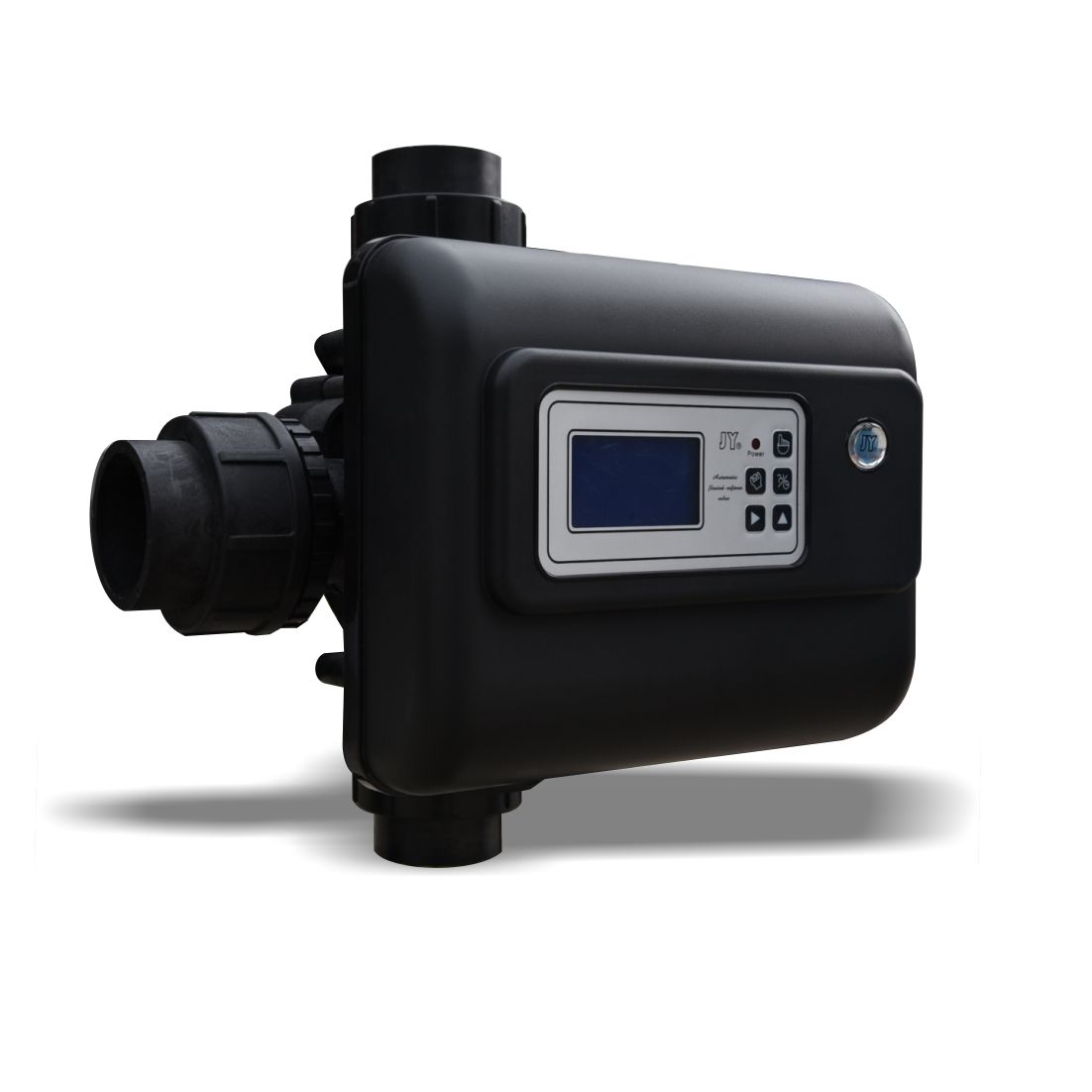
モデル
| バルブ材質 | 入口/出口 | 連続(0.1Mpa降下) | ピーク(0.175Mpa低下) | CV** | 最大逆洗(0.175Mpa低下) | 販売代理店パイロット | ドレンライン | ブラインライン | 取付ベース | 高さ(タンク上面から) | CM27 |
| 無鉛黄銅 | 1″(男性) | 5.9m³/h | 7.5m³/h | 25gpm | 6.8 | 1″(1.05)外径 | 3/4″(オス) | バタフライバルブは、回転軸に取り付けられたディスクを使用して流体の流れを制御します。バルブが開いているとき、ディスクは流路と平行に配置され、流体が通過できるようになります。バルブが閉じると、ディスクが流路に対して垂直に回転し、流体の通過を防ぐシールが形成されます。
一方、グローブ バルブは、上下に動くディスクを使用して流体の流れを制御します。 。バルブが開くと、ディスクが流路から持ち上げられ、流体が通過できるようになります。バルブが閉じると、ディスクが流路内に下げられ、流体の通過を防ぐシールが形成されます。 設計と動作に加えて、隔離バルブはその作動方法にも基づいて分類されます。手動バルブは、レバー、ホイール、またはハンドルを使用して手動で操作します。これらのバルブは操作が簡単ですが、開閉には人間の介入が必要です。 一方、自動バルブは、空気圧、油圧、または電気のアクチュエーターを使用して操作されます。これらのバルブは遠隔制御でき、正確な制御が必要な用途でよく使用されます。 結論として、遮断バルブはシステム内の流体の流れを制御する上で重要な役割を果たします。これらのバルブがどのように機能するかを理解することは、さまざまな産業プロセスの効率的かつ安全な操作を確保するために不可欠です。特定の用途に適したタイプのバルブと作動方法を選択することで、オペレータはメンテナンス、修理、またはシャットダウンの目的でシステムのセクションを効果的に隔離できます。 |
3/8″, (1/2″) | 2.5″-8 | 6-1/2″ |
Butterfly valves use a disc that is mounted on a rotating shaft to control the flow of fluid. When the valve is open, the disc is positioned parallel to the flow path, allowing fluid to pass through. When the valve is closed, the disc is rotated perpendicular to the flow path, creating a seal that prevents fluid from passing through.
Globe valves, on the other hand, use a disc that moves up and down to control the flow of fluid. When the valve is open, the disc is lifted away from the flow path, allowing fluid to pass through. When the valve is closed, the disc is lowered into the flow path, creating a seal that prevents fluid from passing through.
In addition to their design and operation, isolation valves are also classified based on their actuation method. Manual valves are operated by hand using a lever, wheel, or handle. These valves are simple to operate but require human intervention to open and close.
On the other hand, automated valves are operated using an actuator, which can be pneumatic, hydraulic, or electric. These valves can be remotely controlled and are often used in applications where precise control is required.
In conclusion, isolation valves play a critical role in controlling the flow of fluids within a system. Understanding how these valves work is essential for ensuring the efficient and safe operation of various industrial processes. By choosing the right type of valve and actuation method for a specific application, operators can effectively isolate sections of a system for maintenance, repair, or shutdown purposes.