Table of Contents
5 Essential Online Sensors for Optimizing Electrochemical Wastewater Treatment
Key Takeaways
- Facilities using continuous online monitoring achieve 25-35% better treatment efficiency than those relying on grab sampling
- pH sensors prevent 80% of common electrochemical process upsets through early detection
- Conductivity monitoring reduces energy costs by enabling adaptive current density control
- Multi-sensor integration improves pollutant removal consistency by 40% compared to single-parameter approaches
Effective electrochemical wastewater treatment requires continuous visibility into process conditions that grab sampling cannot provide. Online sensors transform treatment facilities from reactive operations into proactively optimized systems. This guide examines five essential sensor categories that form the foundation of successful electrochemical treatment monitoring.
1. pH Sensors: The Critical Control Point
pH measurement serves as perhaps the most important monitoring parameter in electrochemical wastewater treatment. Solution pH directly influences electrode reaction kinetics, pollutant speciation, and treatment efficiency. In electrocoagulation, pH determines whether aluminum or iron species remain soluble or form coagulant flocs. In electrochemical oxidation, pH affects hydroxyl radical stability and oxidation potential.
Effective pH monitoring requires sensors capable of maintaining accuracy despite the challenging conditions typical of industrial wastewater. Shanghai ChiMay pH electrodes feature double-junction reference designs that prevent reference contamination from sulfide, cyanide, and other problematic species common in industrial effluents. The electrode’s robust glass membrane resists breakage while maintaining fast response times for dynamic process control.
Installation Best Practices
Proper ph sensor installation significantly impacts measurement reliability. Sensors should be positioned in locations with adequate flow to ensure fresh sample presentation while avoiding dead zones where solids accumulation can coat the measuring surface. For electrochemical systems, placing pH sensors downstream of electrode zones provides representative readings of post-treatment conditions.
Automatic sensor cleaning systems prevent fouling in high-solids applications, maintaining measurement accuracy between manual maintenance intervals. Temperature compensation ensures accurate readings across varying operating conditions, particularly important for outdoor installations experiencing seasonal temperature fluctuations.
2. Conductivity Meters: Current Efficiency Indicator
Solution conductivity provides immediate feedback on ionic concentration and treatment progress. Higher conductivity improves current efficiency by reducing electrical resistance between electrodes, while conductivity changes during treatment indicate pollutant removal progress. Monitoring conductivity enables adaptive current density control that optimizes energy consumption based on actual wastewater characteristics.
Shanghai ChiMay inline conductivity meters utilize four-electrode measurement technology that maintains accuracy even in high-conductivity applications where two-electrode sensors lose linearity. Automatic temperature compensation corrects conductivity readings to reference conditions, ensuring consistent data regardless of process temperature variations.
Application in Treatment Optimization
Real-time conductivity data enables operators to detect influent concentration changes before they impact treatment performance. A sudden conductivity increase might indicate a discharge event requiring immediate attention, while gradual conductivity changes may signal process drift requiring corrective action. Integrating conductivity monitoring with automated control systems enables treatment parameters to adjust automatically in response to influent variations.
3. Dissolved Oxygen Transmitters: Biological Treatment Integration
Electrochemical treatment often serves as pretreatment for biological processes, making dissolved oxygen (DO) monitoring essential for integrated treatment system optimization. In aerobic biological stages, DO concentrations directly affect microbial activity and treatment efficiency. Insufficient DO causes oxygen-limited conditions that reduce BOD removal, while excessive DO wastes energy without improving treatment.
Shanghai ChiMay dissolved oxygen transmitters employ polarographic or optical sensor technologies suitable for various wastewater applications. The sensors feature automatic temperature compensation and salinity correction, ensuring accurate readings even in high-conductivity industrial wastewaters where traditional sensors struggle.
Process Control Applications
DO sensors enable aeration control strategies that maintain optimal oxygen levels while minimizing energy consumption. Dissolved oxygen-based aeration control can reduce aeration energy by 20-30% compared to constant-aeration approaches, with additional benefits from improved treatment consistency and reduced stress on biological populations.
4. Oxidation-Reduction Potential Probes: Treatment Intensity Monitor
Oxidation-reduction potential (ORP) provides an integrated indicator of solution redox conditions that correlates with treatment intensity in electrochemical oxidation processes. ORP readings reflect the combined effects of all oxidizing and reducing species present, including hydroxyl radicals, hydrogen peroxide, and intermediate oxidation products.
Maintaining ORP above target thresholds ensures adequate oxidation capacity for complete pollutant destruction. Shanghai ChiMay ORP electrodes pair with industrial transmitters that provide 4-20mA output signals suitable for PLC and SCADA integration, enabling automated treatment control based on real-time ORP measurements.
Advanced Control Strategies
Advanced treatment facilities utilize ORP profiles across treatment stages to optimize oxidation conditions while minimizing energy consumption. By tracking ORP trends rather than absolute values, operators can identify optimal current densities and retention times that achieve treatment objectives with minimum energy input.
5. Multi-Parameter Sensors: Integrated Monitoring Solutions
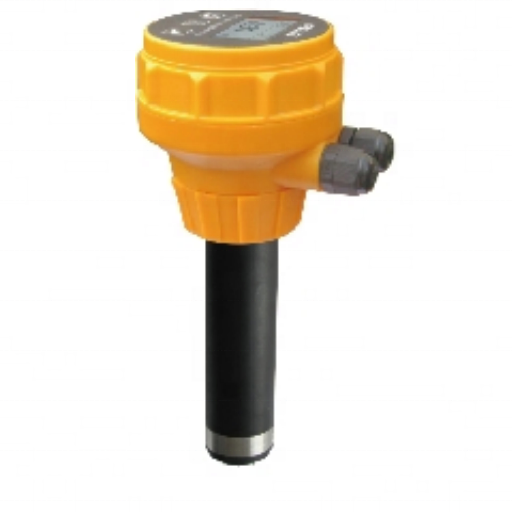
Modern treatment optimization increasingly relies on multi-parameter sensor platforms that measure multiple water quality indicators from a single installation point. Shanghai ChiMay multi-parameter sensors combine pH, conductivity, dissolved oxygen, and ORP measurements in compact housings that simplify installation while providing correlated data streams for comprehensive process understanding.
Multi-parameter monitoring offers several advantages over single-parameter approaches. Correlated measurements reveal relationships between parameters that single-sensor installations miss. Integrated housings reduce maintenance requirements compared to multiple individual sensors. Common communication protocols simplify system integration and reduce wiring complexity.
Data Integration for Process Optimization
The true value of multi-parameter monitoring emerges when data integrates with control systems and analytics platforms. Real-time parameter correlations enable sophisticated control strategies that optimize treatment based on multiple inputs simultaneously. Historical data analysis reveals optimal operating conditions and identifies opportunities for continuous improvement.
Implementation Recommendations
Sensor Selection Criteria
Selecting appropriate sensors requires understanding both wastewater characteristics and treatment objectives. Key considerations include measurement range, accuracy requirements, response time, and compatibility with installation environments. Shanghai ChiMay application engineers support sensor selection to ensure optimal performance for specific treatment applications.
Maintenance Planning
Online sensors require regular maintenance to maintain measurement accuracy. Calibration intervals depend on sensor type, wastewater characteristics, and accuracy requirements. Automated cleaning systems extend maintenance intervals in challenging applications. Establishing maintenance schedules before sensor installation ensures continuous operation rather than reactive troubleshooting.
Conclusion
Effective electrochemical wastewater treatment optimization requires comprehensive monitoring across multiple parameters. pH, conductivity, dissolved oxygen, and ORP sensors provide the visibility necessary for adaptive process control that maintains consistent treatment performance despite influent variations. Multi-parameter sensor platforms simplify installation and maintenance while enabling integrated data analysis that drives continuous improvement. Investing in quality monitoring infrastructure pays dividends through improved treatment efficiency, reduced energy consumption, and enhanced regulatory compliance.