Table of Contents
Understanding the Functionality of PCV Pressure control valve
The PCV (Positive Crankcase Ventilation) pressure control valve is a critical component of your vehicle’s engine system. It plays a pivotal role in controlling the level of harmful gases in your engine, thereby contributing to the overall performance and longevity of your vehicle. This article aims to provide a comprehensive understanding of the functionality of the PCV pressure control valve.
The PCV valve is a one-way valve that ensures the gases produced in the crankcase of your engine are properly recycled. During the combustion process, a small amount of the gases escapes past the piston rings into the crankcase. These gases, known as blow-by gases, are a mixture of unburned fuel, air, and the products of combustion. If left unchecked, these gases can cause engine damage due to the buildup of pressure and corrosive elements.
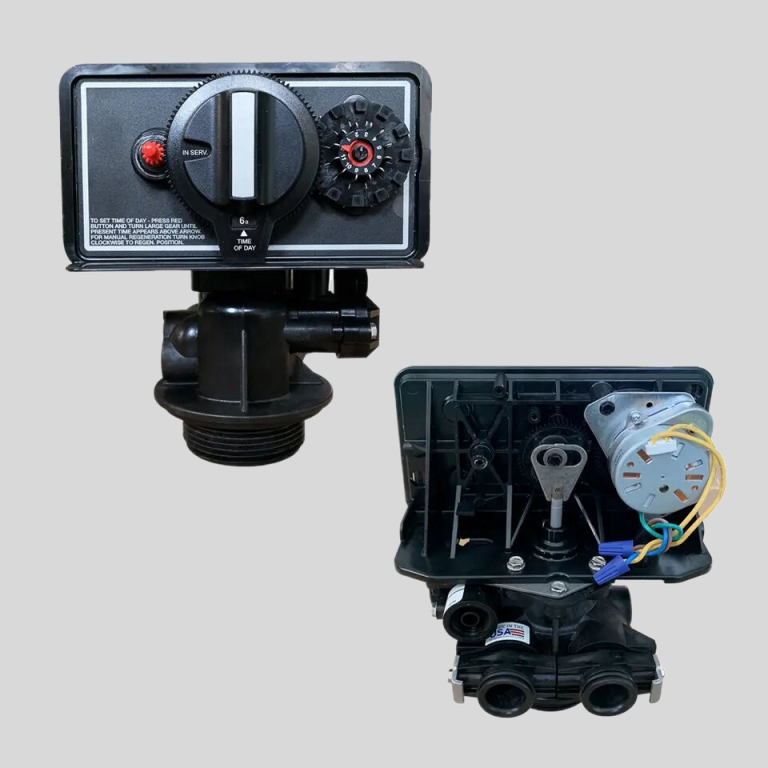
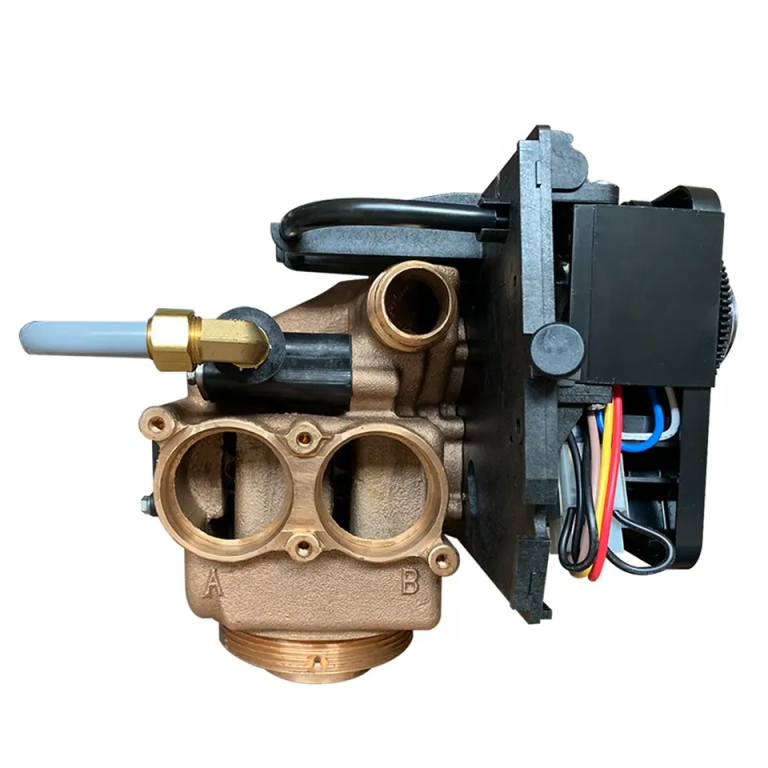
| Model | Central tube | Drain | Brine tank connector | Base | Maximum power | Operating temperature |
| 2900 | 1.9″(1.5″)O.D. | 3/4″NPTM | 3/8″&1/2″ | 4″-8UN | 143W | 1℃-43℃ |
This is where the PCV valve comes into play. The valve is designed to control the flow of these gases, redirecting them back into the combustion chamber where they can be burned off. This process not only prevents the buildup of harmful gases but also helps to improve the fuel efficiency of the vehicle.
The PCV valve operates under varying pressure conditions. When the engine is at low speed or idle, the valve is partially open, allowing a small amount of gases to escape. Conversely, when the engine is running at high speed, the valve opens fully to allow a larger volume of gases to be rerouted. This ability to adjust to different engine conditions is what makes the PCV valve an essential component in maintaining the optimal performance of your vehicle.
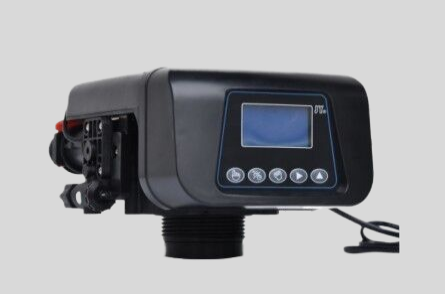
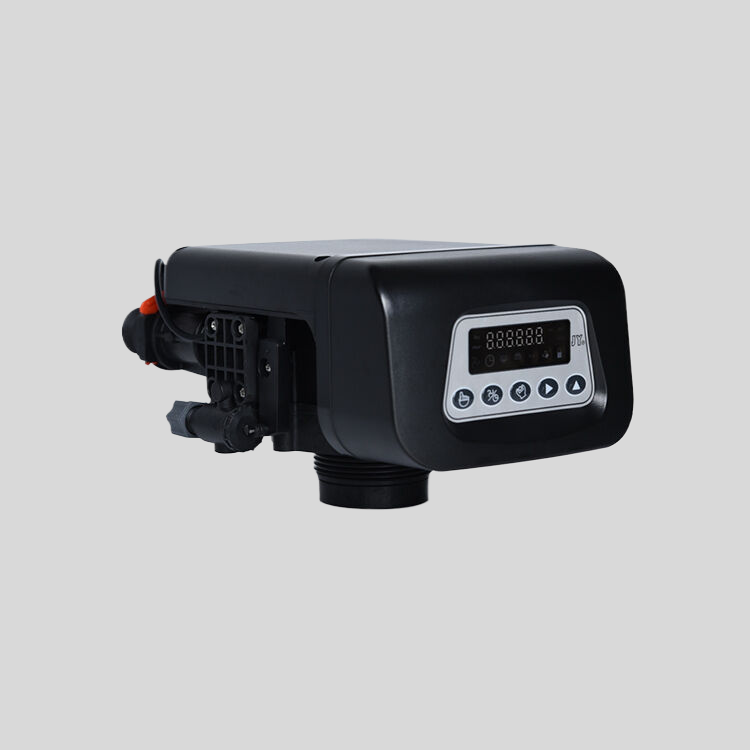
| Model | Central tube | Drain | Brine tank connector | Base | Maximum power | Pressure |
| 5600 | 0.8125″/1.050″ O.D. | 1/2″NPTF | 1600-3/8″ | 2-1/2″-8NPSM | 3W | 2.1MPa |
| 5600 | 0.8125″/1.050″ O.D. | 1/2″NPTF | 1600-3/8″ | 2-1/2″-8NPSM | 3W | 0.14-0.84MPa |
However, like any other mechanical component, the PCV valve is not immune to wear and tear. Over time, the valve can become clogged or may fail to function properly. A malfunctioning PCV valve can lead to a number of issues, including increased oil consumption, reduced fuel efficiency, and even engine damage. Therefore, it is crucial to regularly check and replace the PCV valve as part of your vehicle’s routine maintenance.
The process of checking the PCV valve is relatively straightforward. The valve is typically located on the valve cover of the engine. By removing the valve and shaking it, you should be able to hear a rattling sound. This indicates that the valve is in good working condition. If there is no sound, the valve may be clogged and needs to be replaced.
In conclusion, the PCV pressure control valve is a vital component of your vehicle’s engine system. It serves to control the level of harmful gases in your engine, thereby enhancing the performance and lifespan of your vehicle. Regular maintenance and timely replacement of the PCV valve can prevent potential engine damage and ensure the optimal functioning of your vehicle. Understanding the functionality of the PCV pressure control valve is therefore essential for every vehicle owner.
Maintenance Tips for Your PCV Pressure control valve
The PCV (Positive Crankcase Ventilation) pressure control valve is a critical component of your vehicle’s engine system. It plays a pivotal role in controlling the level of harmful gases in your engine, thereby enhancing its efficiency and longevity. However, like any other mechanical part, the PCV valve requires regular maintenance to ensure its optimal performance. This article provides some insightful tips on how to maintain your PCV pressure control valve.
Firstly, it is essential to understand the function of the PCV valve. This small, one-way valve serves to release gases that build up in the engine’s crankcase. By doing so, it prevents these gases from causing damage to the engine and reduces the emission of harmful pollutants into the environment. Therefore, ensuring that this valve is in good working condition is not only beneficial for your vehicle but also for the environment.
One of the most effective ways to maintain your PCV valve is through regular inspections. It is recommended that you check the condition of your PCV valve every 20,000 to 50,000 miles, depending on your vehicle’s make and model. During these inspections, look for signs of damage or wear, such as cracks or leaks. If you notice any such issues, it may be time to replace the valve.
In addition to visual inspections, it is also advisable to perform a functionality test on your PCV valve. This can be done by removing the valve and shaking it. If you hear a rattling sound, this indicates that the valve is in good working condition. However, if there is no sound, the valve may be clogged or faulty and should be replaced.
Another crucial aspect of PCV valve maintenance is cleaning. Over time, the valve can become clogged with oil and dirt, which can hinder its performance. To clean the valve, you can use a commercially available solvent or a mixture of warm water and detergent. After cleaning, ensure that the valve is thoroughly dried before reinstalling it to prevent any moisture-related issues.
While these maintenance tips can help prolong the life of your PCV valve, it is important to remember that this component is not designed to last forever. Most manufacturers recommend replacing the PCV valve every 30,000 to 60,000 miles. However, this can vary depending on the specific conditions your vehicle is exposed to. For instance, if you frequently drive in heavy traffic or harsh weather conditions, you may need to replace the valve more often.
In conclusion, maintaining your PCV pressure control valve is a relatively simple task that can have a significant impact on the performance and longevity of your vehicle’s engine. By regularly inspecting, cleaning, and replacing this component as needed, you can ensure that your engine runs efficiently and that harmful emissions are kept to a minimum. Remember, a well-maintained PCV valve is not only beneficial for your vehicle but also for the environment.