Benefits of Using a ph meter in Agriculture
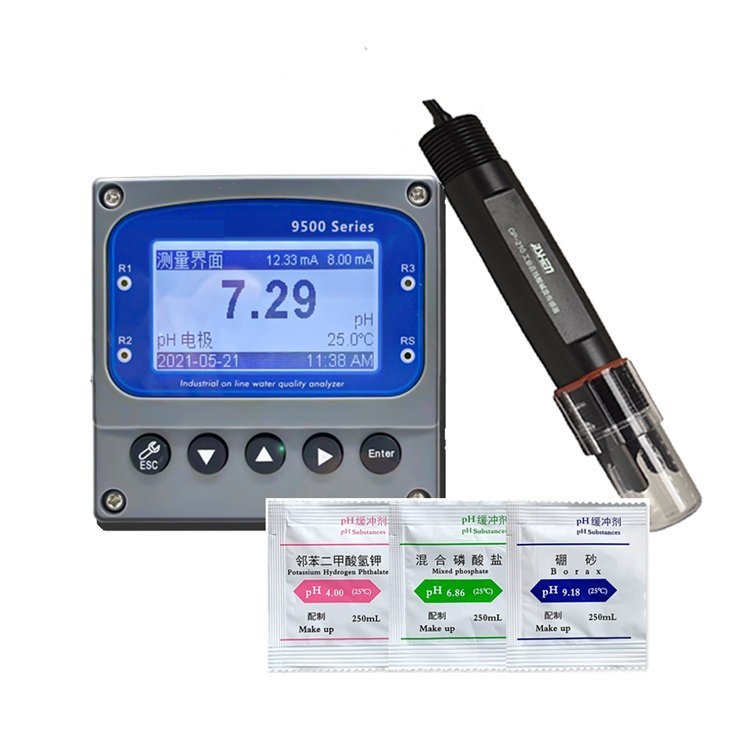
A ph meter is an essential tool for farmers and agricultural professionals to monitor and manage the pH levels of soil, water, and other agricultural inputs. The pH level of soil and water plays a crucial role in the growth and development of plants, as it affects nutrient availability, microbial activity, and overall plant health. The pH scale ranges from 0 to 14, with 7 being neutral. Soil with a pH below 7 is considered acidic, while soil with a pH above 7 is alkaline.
One of the main benefits of using a ph meter in agriculture is the ability to accurately measure and monitor the pH levels of soil. By knowing the pH level of the soil, farmers can make informed decisions about which crops to plant, what fertilizers to use, and how to adjust the pH level to optimize plant growth. Different plants have different pH requirements, so it is important to ensure that the soil pH is within the optimal range for the specific crop being grown.
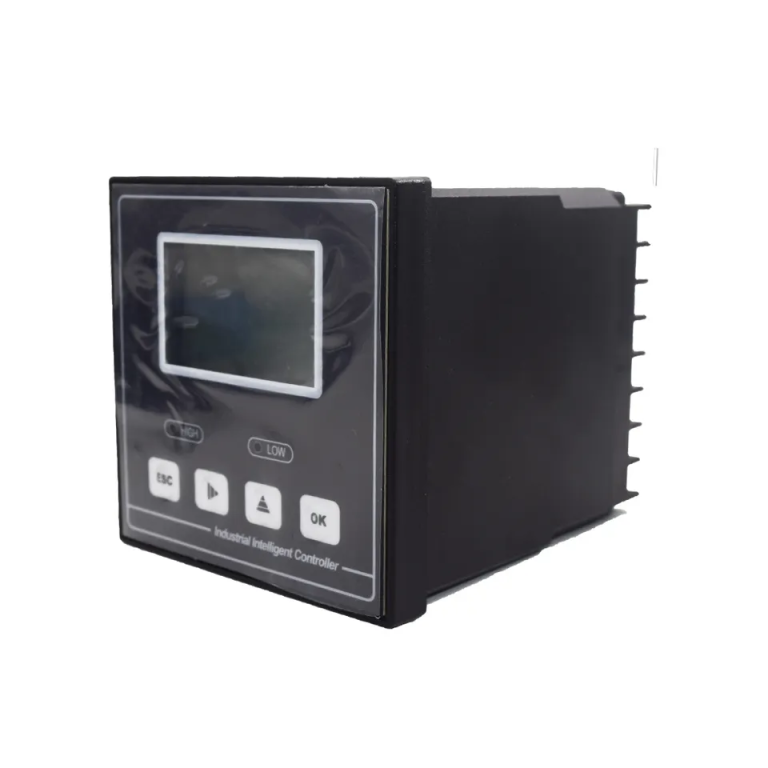
| Model | DO-810/1800 dissolved oxygen meter |
| Range | 0-20.00 mg/L |
| Accuracy | \u00b10.5% FS |
| Temp. Comp. | 0-60\u2103 |
| Oper. Temp. | 0\uff5e60\u2103 |
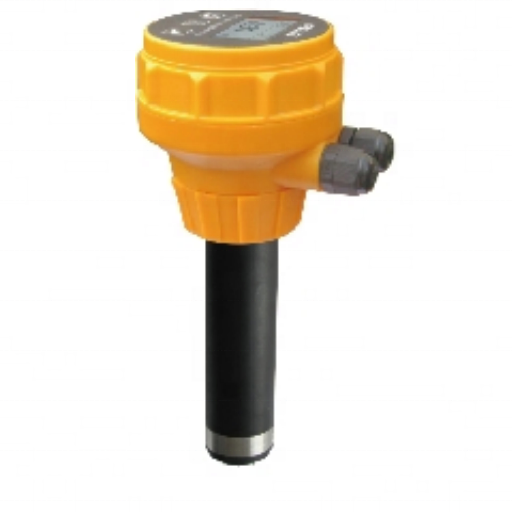
| Sensor | dissolved oxygen sensor |
| Display | Segment code operation/128*64 LCD Screen(DO-1800) |
| Communication | Optional RS485 |
| Output | 4-20mA output\u00a0 High/Low limit double relay control |
| Power | AC 220V\u00b110% 50/60Hz or AC 110V\u00b110% 50/60Hz or DC24V/0.5A |
| Working Environment | Ambient temperature:0\uff5e50\u2103 |
| Relative humidity\u226485% | |
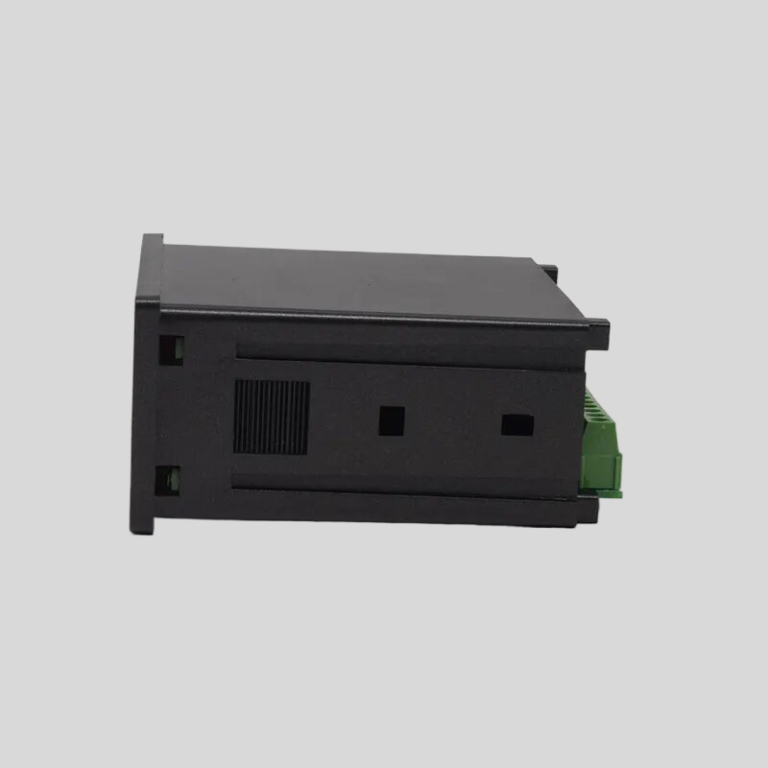
| Dimensions | 96\u00d796\u00d7100mm(H\u00d7W\u00d7L) |
| Hole Size | 92\u00d792mm(H\u00d7W) |
| Installation Mode | Embedded |
In addition to soil pH, water pH is also an important factor to consider in agriculture. Water with a pH that is too high or too low can have negative effects on plant growth and nutrient uptake. By using a ph meter to test the pH of irrigation water, farmers can make adjustments to ensure that the water is within the optimal pH range for their crops. This can help prevent nutrient deficiencies, improve water efficiency, and ultimately increase crop yields.
Another benefit of using a ph meter in agriculture is the ability to monitor the pH levels of fertilizers and other inputs. Fertilizers with the wrong pH can have a detrimental effect on plant growth and soil health. By testing the pH of fertilizers before application, farmers can ensure that they are using the right products for their soil and crops. This can help prevent nutrient imbalances, reduce the risk of nutrient leaching, and improve overall plant health.
pH meters are also useful for monitoring the pH levels of compost and organic matter. Compost with a pH that is too high or too low can inhibit microbial activity and slow down the decomposition process. By regularly testing the pH of compost, farmers can make adjustments to ensure that it is within the optimal range for microbial activity. This can help speed up the decomposition process, improve soil structure, and increase nutrient availability for plants.
Overall, using a ph meter in agriculture can help farmers make more informed decisions about soil, water, fertilizers, and other inputs. By monitoring and managing pH levels, farmers can optimize plant growth, improve soil health, and increase crop yields. pH meters are easy to use, affordable, and provide accurate and reliable results. Whether you are a small-scale farmer or a large agricultural operation, investing in a ph meter can have a positive impact on your farming practices and overall productivity.