Understanding the Benefits of Using RS485 Communication for pH Sensors
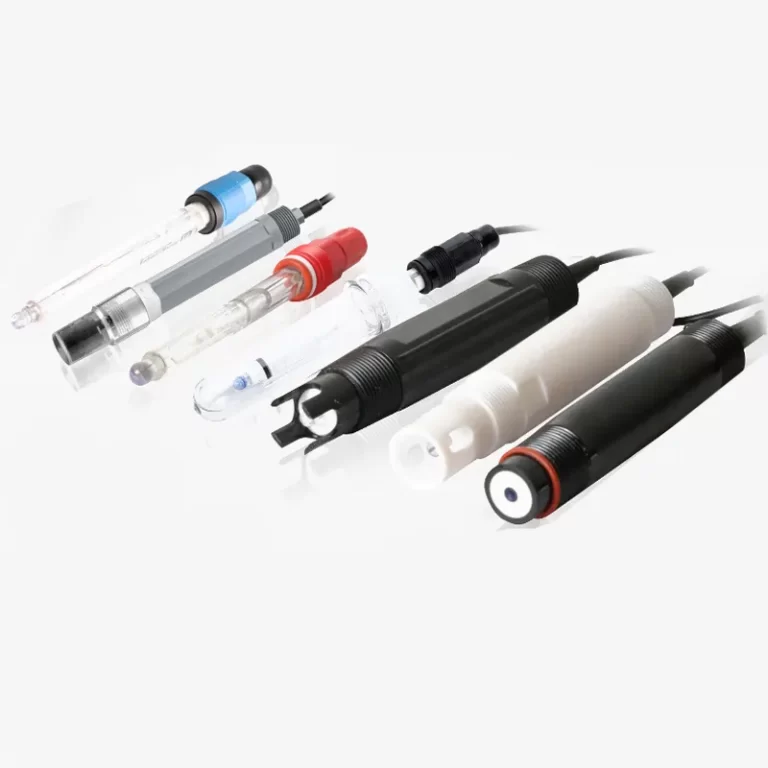
In the world of industrial automation and process control, pH sensors play a crucial role in monitoring and controlling the pH levels of various liquids. These sensors are used in a wide range of industries, including water treatment plants, chemical processing plants, and food and beverage production facilities. One of the key considerations when using pH sensors is how to effectively communicate the data they collect to a central control system. One popular communication protocol for pH sensors is RS485.
RS485 is a standard for serial communication that is widely used in industrial applications. It allows multiple devices to communicate over long distances using a single twisted pair of wires. This makes it an ideal choice for connecting pH sensors to a central control system, especially in large industrial facilities where sensors may be located far apart from each other.
One of the main benefits of using RS485 communication for pH sensors is its ability to transmit data over long distances without signal degradation. This is particularly important in industrial environments where sensors may be located in remote or hard-to-reach locations. RS485 can transmit data reliably over distances of up to 1,200 meters, making it ideal for large industrial facilities.
| CCT-5300 | |||||
| Constant | 10.00cm-1 | 1.000cm-1 | 0.100cm-1 | 0.010cm-1 | |
| Conductivity | (500\uff5e20,000) | (1.0\uff5e2,000) | (0.5\uff5e200) | (0.05\uff5e18.25) | |
| \u03bcS/cm | \u03bcS/cm | \u03bcS/cm | M\u03a9\u00b7cm | ||
| TDS | (250\uff5e10,000) | (0.5\uff5e1,000) | (0.25\uff5e100) | \u2014\u2014 | |
| ppm | ppm | ppm | |||
| Medium Temp. | (0\uff5e50)\u2103\uff08Temp. Compensation : NTC10K\uff09 | ||||
| Accuracy | Conductivity: 1.5%\uff08FS\uff09 | ||||
| Resistivity: 2.0%\uff08FS\uff09 | |||||
| TDS: 1.5%\uff08FS\uff09 | |||||
| Temp.:\u00b10.5\u2103 | |||||
| Temperature compensation | (0\uff5e50)\u2103\u00a0with 25\u2103 as Standard | ||||
| Analog Output | Single isolated(4\uff5e20)mA\uff0cinstrument/transmitter for selection | ||||
| Control Output | SPDT relay, Load capacity : AC 230V/50A(Max) | ||||
| Power Supply | CCT-5300E : DC24V | CCT-5320E : AC 220V\u00b115% | |||
| Working Environment | Temp.\u00a0(0\uff5e50)\u2103\uff1bRelative Humidity\u00a0\u226485%RH(none condensation) | ||||
| Storage Environment | Temp.(-20\uff5e60)\u2103; Relative Humidity\u00a0\u226485%RH(none condensation) | ||||
| Dimension | 96mm\u00d796mm\u00d7105mm (H\u00d7W\u00d7D) | ||||
| Hole Size | 91mm\u00d791mm (H\u00d7W) | ||||
| Installation | \u00a0Panel mounted, fast installation | ||||
RS485 communication also offers high noise immunity, which is essential in industrial environments where electrical interference can be a problem. The twisted pair of wires used in RS485 communication helps to reduce electromagnetic interference, ensuring that data is transmitted accurately and reliably. This is particularly important for pH sensors, which require precise and accurate data to ensure proper control of pH levels.
In addition to its technical benefits, RS485 communication is also cost-effective and easy to implement. RS485 transceivers are readily available and relatively inexpensive, making it a cost-effective solution for connecting pH sensors to a central control system. The protocol is also well-established and widely supported, making it easy to integrate into existing control systems.
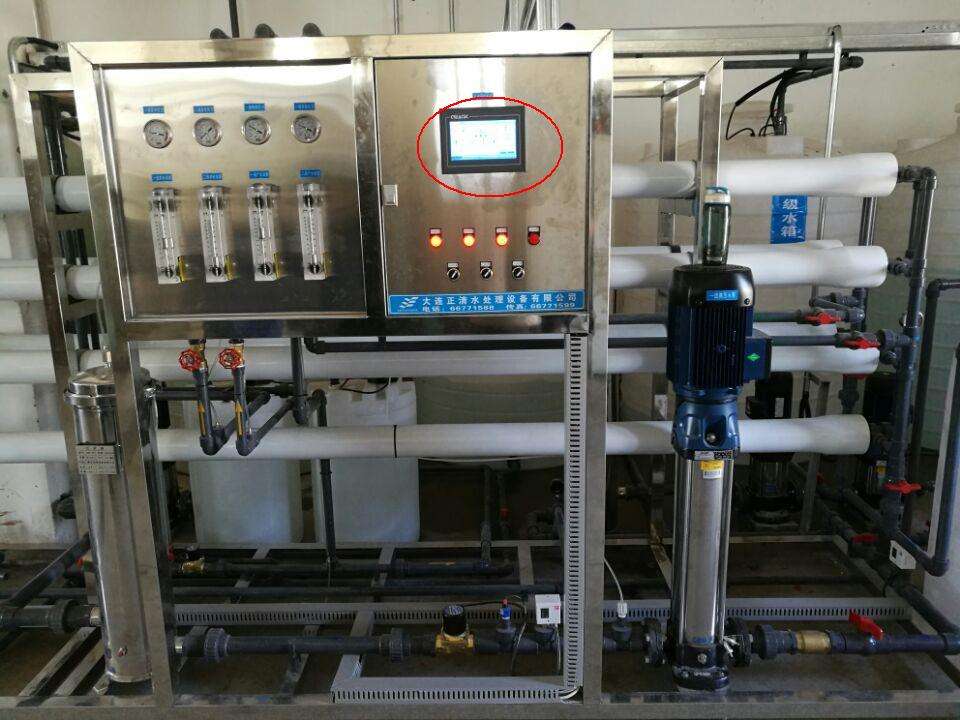
Overall, RS485 communication offers a number of benefits for connecting pH sensors in industrial applications. Its ability to transmit data over long distances, support multiple sensors on the same network, and provide high noise immunity make it an ideal choice for industrial environments where reliable and accurate data is essential. By using RS485 communication, industrial facilities can ensure that their pH sensors operate effectively and efficiently, helping to maintain optimal pH levels and ensure the quality of their products.