Table of Contents
The Importance of Using a TDS Meter for Water Quality Testing
Water quality is a critical aspect of our daily lives, as it directly impacts our health and well-being. One of the key tools used to assess water quality is a Total Dissolved Solids (TDS) meter. TDS meters are devices that measure the concentration of dissolved solids in water, providing valuable information about its purity and safety for consumption.
TDS meters work by measuring the electrical conductivity of water, which is directly related to the amount of dissolved solids present. These solids can include a wide range of substances, such as minerals, salts, metals, and organic compounds. While some dissolved solids are harmless or even beneficial, others can be harmful to human health if present in high concentrations.
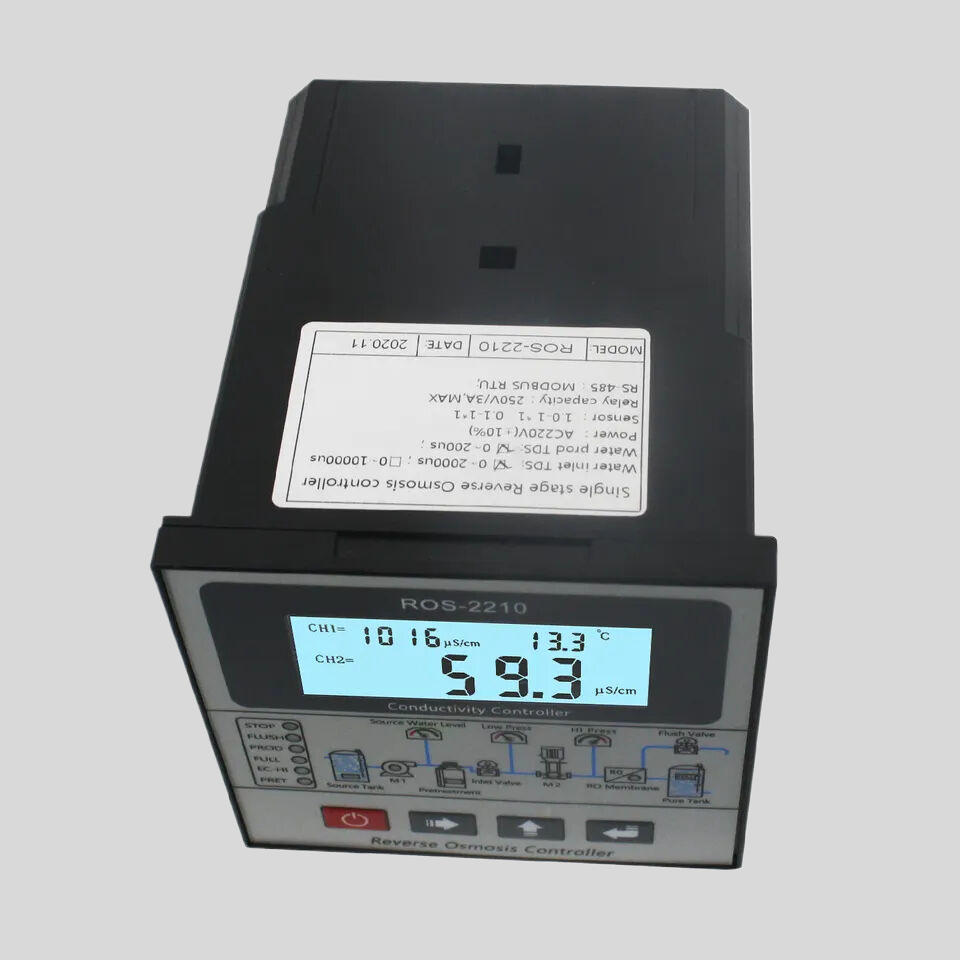
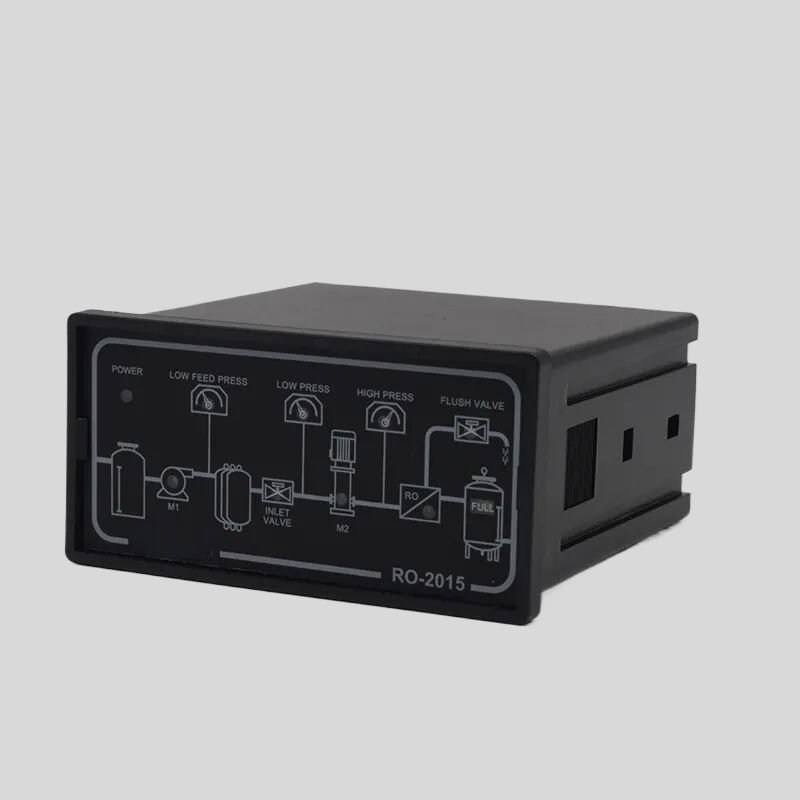
One of the main reasons why TDS meters are important for water quality testing is that they can help identify potential contaminants in drinking water. High levels of TDS can indicate the presence of pollutants such as heavy metals, pesticides, or industrial chemicals, which can pose serious health risks if consumed. By regularly testing the TDS levels in your water, you can ensure that it meets the safety standards set by regulatory agencies.
In addition to identifying contaminants, TDS meters can also provide information about the overall mineral content of water. While minerals like calcium and magnesium are essential for good health, excessive levels of these substances can lead to issues such as scale buildup in pipes and appliances. By monitoring the TDS levels in your water, you can make informed decisions about whether to invest in a water softening system or other treatment options.
Another important use of TDS meters is in monitoring the effectiveness of water treatment systems. Whether you rely on a municipal water supply or use a private well, it’s crucial to ensure that your water is being properly treated to remove harmful contaminants. By testing the TDS levels before and after treatment, you can determine whether your system is functioning as intended and make any necessary adjustments to improve water quality.
TDS meters are also valuable tools for maintaining the health of aquatic environments. High levels of dissolved solids can have negative impacts on aquatic ecosystems, leading to reduced oxygen levels, impaired reproduction, and even death of aquatic organisms. By monitoring TDS levels in bodies of water such as lakes, rivers, and ponds, researchers can assess the health of these ecosystems and take steps to protect them from pollution.
In conclusion, TDS meters play a crucial role in ensuring the safety and quality of our water supply. By measuring the concentration of dissolved solids, these devices provide valuable information about potential contaminants, mineral content, and the effectiveness of water treatment systems. Whether you’re a homeowner, a water treatment professional, or a researcher studying aquatic ecosystems, TDS meters are essential tools for monitoring and maintaining water quality. Investing in a TDS meter can help you make informed decisions about water treatment, protect your health, and preserve the environment for future generations.
How to Properly Use and Calibrate a TDS Meter for Accurate Readings
A TDS meter, or Total Dissolved Solids meter, is a device used to measure the concentration of dissolved solids in water. This includes minerals, salts, metals, and other substances that have dissolved in the water. TDS meters are commonly used in various industries, such as agriculture, aquaculture, and water treatment, to ensure water quality and monitor the effectiveness of water treatment processes.
To properly use a TDS meter, it is important to first understand how it works. TDS meters operate on the principle of electrical conductivity. When dissolved solids are present in water, they conduct electricity. The TDS meter measures the conductivity of the water and converts it into a TDS reading, usually in parts per million (ppm) or milligrams per liter (mg/L).
| Model | FL-9900 Paddle Wheel Flow Meter |
| Range | Flow Speed:0.5-5 m/s |
| Instantaneous Flow:0-2000m3/h | |
| Accuracy | Level 2 |
| Temp. Comp. | Automatic temperature compensation |
| Oper. Temp. | Normal 0~60℃; High temp 0~100℃ |
| Sensor | Paddle Wheel Sensor |
| Pipeline | DN20-DN300 |
| Communication | 4-20mA output/RS485 |
| Control | Instantaneous Flow High/Low alarm |
| Load Current 5A(Max) | |
| Power | 220V/110V/24V |
| Working Environment | Ambient temperature:0~50℃ |
| Relative humidity≤85% | |
| Dimensions | 96×96×72mm(H×W×L) |
| Hole Size | 92×92mm(H×W) |
| Installation Mode | Embedded |
Before using a TDS meter, it is essential to calibrate it to ensure accurate readings. Calibration involves adjusting the meter to a known standard solution with a specific TDS value. This allows the meter to accurately measure the TDS levels in water samples. Most TDS meters come with calibration solutions or powders that can be used for this purpose.
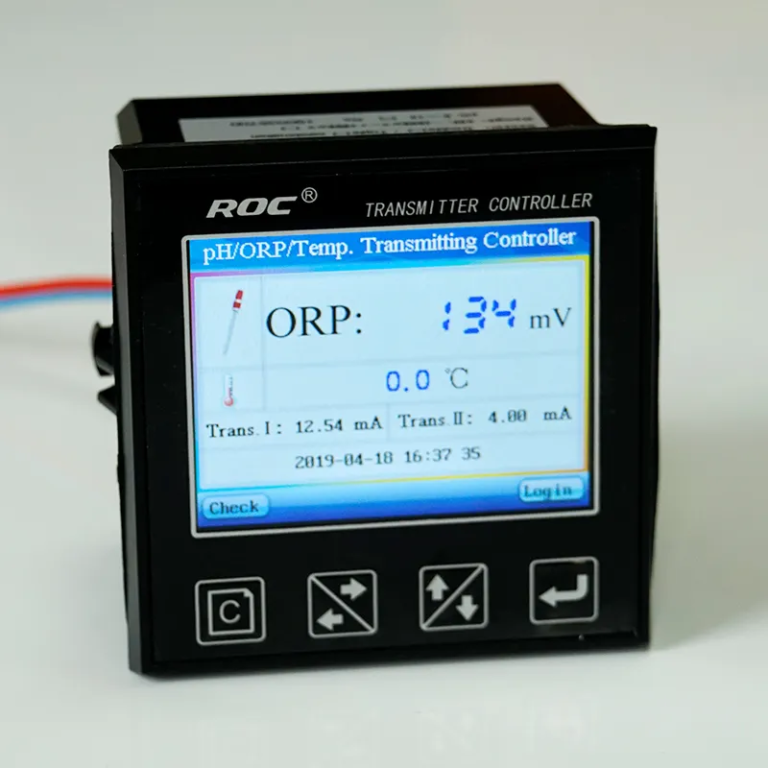
| Model | pH/ORP-3500 pH/ORP Meter |
| Range | pH:0.00~14.00 ; ORP: (-2000~+2000)mV; Temp.:(0.0~99.9)°C (Temp.Compensation: NTC10K) |
| Resolution | pH:0.01 ; ORP: 1mV; Temp.:0.1°C |
| Accuracy | pH:+/-0.1 ; ORP: +/-5mV(electronic unit); Temp.: +/-0.5°C |
| Temp. compensation | Range: (0~120)°C; element: Pt1000 |
| Buffer Solution | 9.18; 6.86; 4.01; 10.00; 7.00; 4.00 |
| Medium Temp. | (0~50)°C (with 25°C as standard) manual/automatic temp. compensation for selection |
| Analog output | Isolated one Channel(4~20)mA, Instrument/Transmitter for selection |
| Control Output | Double relay output (single contact ON/OFF) |
| Working Environment | Temp.(0~50)℃; relative humidity <95%RH (non-condensing) |
| Storage Environment | Temp.(-20~60)℃;Relative Humidity ≤85%RH (none condensation) |
| Power Supply | DC 24V; AC 110V; AC220V |
| Power consumption | <3W |
| Dimension | 48mmx96mmx80mm(HxWxD) |
| Hole Size | 44mmx92mm(HxW) |
| Installation | Panel mounted, fast installation |
To calibrate a TDS meter, start by preparing the calibration solution according to the manufacturer’s instructions. Immerse the TDS meter probe into the calibration solution and allow it to stabilize for a few seconds. Adjust the meter to match the TDS value of the calibration solution by following the calibration instructions provided with the meter. Once calibrated, the TDS meter is ready to use for measuring water samples.
When using a TDS meter to measure water samples, it is important to follow certain guidelines to ensure accurate readings. Start by rinsing the probe with distilled water to remove any residue from previous measurements. Immerse the probe into the water sample and allow it to stabilize for a few seconds. Take the TDS reading displayed on the meter and record it for future reference.
It is also important to consider the temperature of the water when using a TDS meter. Temperature can affect the conductivity of water and, consequently, the TDS reading. Some TDS meters come with temperature compensation features that adjust the TDS reading based on the water temperature. If your meter does not have this feature, it is recommended to take readings at a consistent temperature to ensure accuracy.
In conclusion, a TDS meter is a valuable tool for monitoring water quality and ensuring the effectiveness of water treatment processes. By understanding how TDS meters work, calibrating them properly, and following guidelines for accurate measurements, you can confidently use a TDS meter to assess the TDS levels in water samples. Proper use and calibration of a TDS meter are essential for obtaining reliable and accurate TDS readings.