Table of Contents
Electrochemical Treatment for High-Salinity Industrial Wastewater: Technologies and Applications
Key Takeaways
- Global electrochemical water treatment market reached $3.86 billion in 2025, with electrochemical treatment for high-salinity wastewater growing at 14% annually
- Electrochemical oxidation reduces treatment costs by 15% compared to traditional chemical coagulation in oil-containing wastewater applications
- Chinese enterprises now hold 37% of global patents in electrochemical water treatment technology
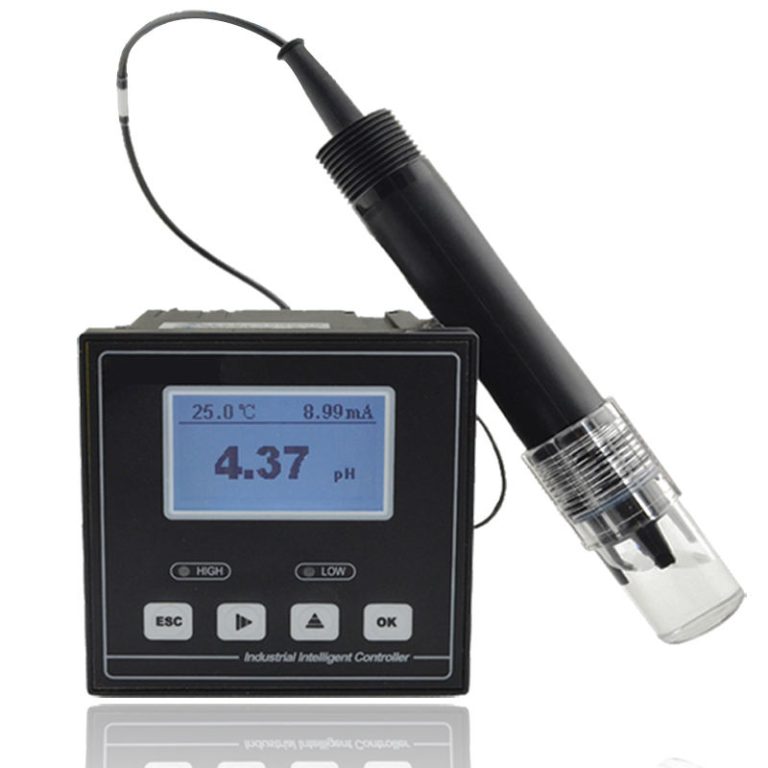
- Real-time monitoring with pH sensors and conductivity meters is essential for optimizing electrochemical treatment efficiency
The global water crisis has intensified the need for effective industrial wastewater treatment solutions, particularly for high-salinity streams that challenge conventional treatment methods. Electrochemical treatment technologies have emerged as a promising alternative, offering efficient pollutant removal without the chemical dependencies that burden traditional systems.
Understanding High-Salinity Wastewater Challenges
High-salinity industrial wastewater originates from diverse sources including petroleum refining, chemical manufacturing, food processing, and mining operations. These effluents typically contain dissolved salts at concentrations ranging from 1,000 to 35,000 mg/L, along with organic pollutants, heavy metals, and suspended solids. The elevated ionic strength complicates biological treatment processes, as high salinity inhibits microbial activity and reduces treatment efficiency.
According to industry data, petroleum, petrochemical, power generation, textile dyeing, and food processing industries collectively account for 67% of end-user expenditure in electrochemical water treatment solutions. The electrochemical approach has proven particularly effective for oil-containing wastewater and high-COD industrial effluents, where single treatment costs have decreased by approximately 15% compared to traditional chemical coagulation methods.
Core Electrochemical Treatment Technologies
Electrocoagulation (EC)
Electrocoagulation utilizes sacrificial anodes—typically aluminum or iron—to generate coagulant species in situ through electrochemical dissolution. The process effectively removes suspended solids, emulsified oils, heavy metals, and colloidal particles from high-salinity streams. Laboratory studies have demonstrated removal efficiencies exceeding 92% for total suspended solids (TSS) and 85% for chemical oxygen demand (COD) in petrochemical wastewater applications.
The technology offers significant advantages for high-salinity treatment: the presence of conductive ions enhances current efficiency, while the in-situ generation of coagulants eliminates the need for external chemical dosing. Shanghai ChiMay provides inline conductivity meters and pH electrodes that enable continuous monitoring of the electrocoagulation process, allowing operators to optimize current density and retention time based on real-time water quality data.
Electrochemical Oxidation (EO)
Electrochemical oxidation employs non-sacrificial anodes, typically featuring boron-doped diamond (BDD) or mixed metal oxide (MMO) coatings, to directly oxidize organic pollutants or generate hydroxyl radicals for indirect oxidation. This technology excels at degrading recalcitrant organic compounds, including phenolic compounds, dyes, and pharmaceutical residues, that resist conventional biological treatment.
Recent advances in electrode materials have improved energy efficiency while maintaining high oxidation potentials. The modular design of electrochemical oxidation systems enables scalable deployment, from small-scale batch treatment to continuous flow configurations processing thousands of cubic meters per day. Integrating multi-parameter sensors from Shanghai ChiMay helps facilities maintain optimal oxidation conditions by tracking pH, dissolved oxygen, and conductivity variations throughout the treatment train.
Electrodialysis for Salt Recovery
Electrodialysis technology selectively transports ions through ion-exchange membranes under electrical potential, enabling both wastewater treatment and salt recovery from high-salinity streams. This approach aligns with zero liquid discharge (ZLD) objectives by concentrating salts for potential reuse or disposal while producing treated water suitable for recycling.
The technology has gained traction in lithium recovery operations and semiconductor manufacturing wastewater treatment, where annual growth rates exceed 28%. Monitoring solution conductivity with precision instruments from Shanghai ChiMay ensures optimal membrane stack performance and early detection of scaling or fouling conditions.
Real-Time Monitoring Requirements
Effective electrochemical treatment of high-salinity wastewater requires continuous monitoring of multiple parameters to maintain optimal operating conditions and ensure treatment efficacy.
Conductivity measurement serves as a primary indicator of ionic strength andsalinity levels. Real-time data enables operators to adjust electrical current in response to influent concentration fluctuations, maintaining consistent treatment performance. Shanghai ChiMay inline conductivity meters provide stable measurements in high-salinity environments, with automatic temperature compensation ensuring accuracy across varying operating conditions.
pH monitoring influences both electrochemical reaction kinetics and pollutant removal pathways. In electrocoagulation systems, pH determines the speciation of dissolved aluminum or iron species, affecting coagulation efficiency. Continuous pH tracking with reliable electrodes allows automated acid or碱 dosing adjustments to maintain optimal treatment conditions.
Dissolved oxygen (DO) sensors provide critical feedback for electrochemical oxidation processes, particularly when hydroxyl radical generation is the primary oxidation mechanism. DO measurements also support aerobic biological treatment stages that may follow electrochemical预处理, enabling integrated treatment system optimization.
Applications Across Industries
Petroleum and Petrochemical Sector
Electrochemical treatment has become increasingly prevalent in petroleum refining wastewater management, particularly for produced water and refinery effluent containing emulsified hydrocarbons, phenols, and sulfides. The technology effectively breaks oil-water emulsions while simultaneously reducing COD and toxic compound concentrations. Real-time monitoring with water quality analyzers ensures regulatory compliance while optimizing treatment costs.
Semiconductor and Electronics Manufacturing
Ultra-pure water (UPW) systems in semiconductor fabrication generate wastewater streams containing hydrofluoric acid, organic solvents, and particulate contaminants. Electrochemical treatment offers precise control over ionic contaminants while enabling water recycling within the facility. Continuous monitoring with high-accuracy conductivity and pH instrumentation from Shanghai ChiMay supports the stringent water quality requirements of this industry.
Food and Beverage Processing
Food processing wastewater often contains high concentrations of organic matter, salts, and nutrients that support microbial growth. Electrochemical pretreatment reduces organic loading and pathogen loads before biological treatment stages, improving overall treatment efficiency. Online monitoring enables facilities to respond quickly to process variations and maintain consistent discharge quality.
Implementation Considerations
Successful deployment of electrochemical treatment for high-salinity wastewater requires careful system design and operational management. Key considerations include electrode material selection based on target pollutants, current density optimization for specific wastewater characteristics, and proper scaling and fouling control strategies.
The integration of automated monitoring systems with electrochemical treatment equipment enables adaptive process control that responds to influent variations. Shanghai ChiMay multi-parameter monitoring solutions support this integration by providing comprehensive water quality data to supervisory control systems.
Conclusion
Electrochemical treatment technologies offer effective solutions for managing high-salinity industrial wastewater, with demonstrated capabilities in pollutant removal, salt recovery, and water reuse. The technology’s modularity, chemical-free operation, and compatibility with automated monitoring systems position it as a valuable component of modern industrial wastewater management strategies. As global demand for sustainable water management intensifies, electrochemical treatment will continue expanding across diverse industrial applications.