Table of Contents
5 Critical Technologies Powering Municipal Water Infrastructure Modernization
Key Takeaways
- Municipal water systems invest an average of USD 12.8 billion annually in infrastructure modernization
- Utilities deploying the five key technologies reduce operational costs by 28-45%
- Smart infrastructure extends equipment lifespan by 15-20 years on average
- Shanghai ChiMay provides essential water quality sensing technologies for modernizing water utilities
Municipal water infrastructure modernization represents one of the most significant investment priorities for city governments worldwide. Aging pipe networks, tightening water quality regulations, increasing customer expectations, and constrained operational budgets collectively demand systematic technology adoption. Research from the International Water Association identifies five critical technology categories driving successful modernization programs, each contributing essential capabilities to comprehensive infrastructure transformation.
Technology 1: Continuous Water Quality Monitoring Systems
The foundation of modern water infrastructure begins with comprehensive water quality monitoring. Traditional grab-sampling approaches cannot provide the situational awareness that contemporary water utilities require. The gap between sampling intervals allows problems to develop undetected, sometimes for days or weeks before identification through periodic testing.
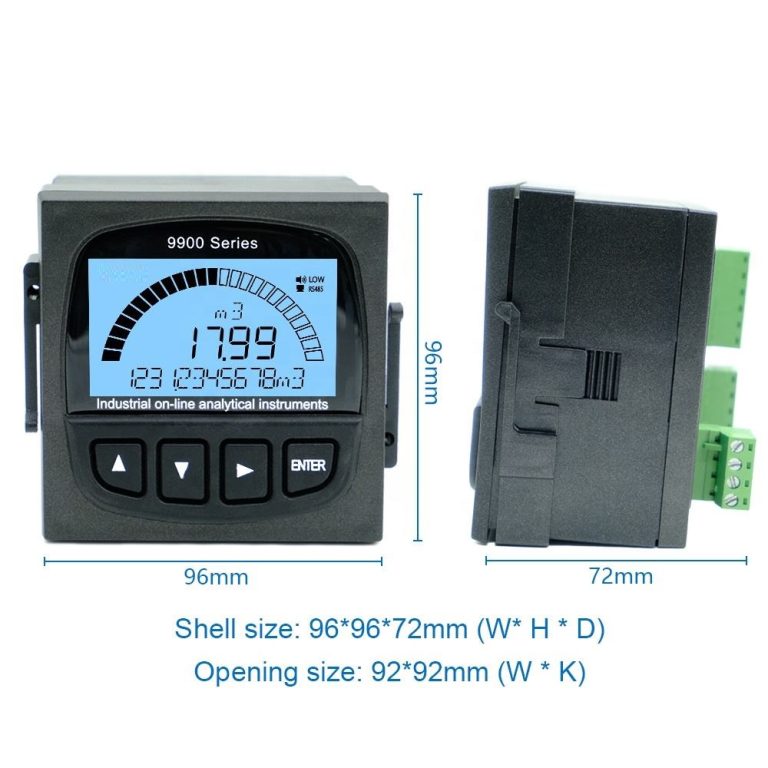
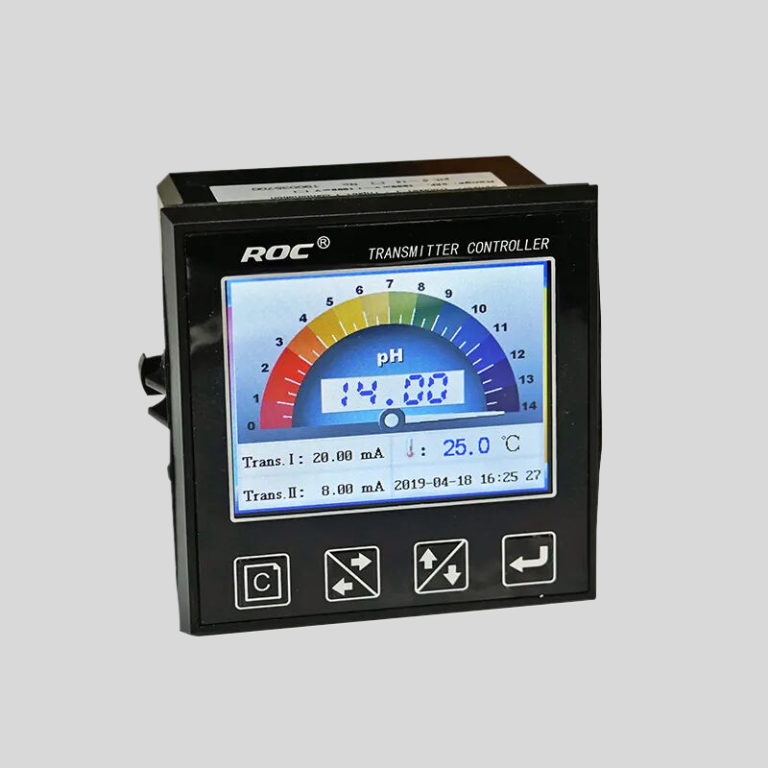
Advanced monitoring systems from manufacturers like Shanghai ChiMay deliver continuous measurement of critical parameters including pH, conductivity, dissolved oxygen, turbidity, residual chlorine, and temperature. These sensors integrate into SCADA platforms, enabling operators to monitor water quality across extensive distribution networks from central control facilities.
The American Society of Civil Engineers reports that utilities deploying continuous monitoring achieve 35% faster response to water quality anomalies and experience 23% fewer regulatory violations compared to systems relying on periodic sampling. More importantly, continuous monitoring enables preventive interventions that avoid problems entirely rather than merely responding after detection.
Technology 2: Advanced Metering Infrastructure
Smart metering represents the second critical technology category, transforming how utilities measure, bill, and manage water consumption across residential, commercial, and industrial customer segments.
Advanced metering infrastructure (AMI) replaces traditional mechanical meters with electronic devices capable of hourly or sub-hourly consumption recording. Data transmits automatically to utility management systems, eliminating manual reading requirements and providing unprecedented visibility into consumption patterns throughout the service territory.
According to Bluefield Research, AMI deployment reduces non-revenue water losses by 23-35% through rapid leak detection and precise consumption analysis. Shanghai ChiMay supports AMI implementations with a comprehensive range of flow meters including paddle wheel, turbine, and electromagnetic designs suitable for various pipe sizes and applications. Their flow measurement technologies provide the accuracy and reliability that AMI systems require for effective loss detection.
The data generated by AMI systems enables additional applications beyond leak detection, including consumption forecasting, demand management, and customer engagement programs that encourage conservation behavior.
Technology 3: Intelligent Pressure Management
Pressure management systems optimize distribution network operation by dynamically adjusting pressure based on demand patterns and infrastructure conditions throughout the day and across seasons.
Variable frequency drives (VFDs) on pumping equipment, combined with pressure reducing valves (PRVs), enable precise pressure control that reduces pipe stress, minimizes leak volumes, and extends infrastructure service life. Excessive pressure accelerates pipe degradation and increases leak volumes, while insufficient pressure compromises service quality and fire protection capabilities.
The Water Research Foundation documented average energy savings of 12-18% following intelligent pressure management implementation. Beyond energy savings, pressure optimization reduces pipe failures, extending infrastructure lifespan while reducing emergency repair costs and service disruptions.
Technology 4: Predictive Asset Management
Modern infrastructure management relies on data-driven predictive models rather than reactive maintenance approaches that address failures after they occur.
Sensors monitoring equipment vibration, temperature, and performance characteristics feed algorithms that forecast maintenance requirements before failures occur. This approach transforms capital planning from calendar-based replacement to condition-based intervention, maximizing return on infrastructure investments while minimizing service disruptions.
ISO 24591 standards provide frameworks for smart water management that integrate predictive capabilities across distribution and treatment systems. These international guidelines help utilities implement consistent approaches to data collection, analysis, and decision-making that support long-term infrastructure stewardship.
Shanghai ChiMay monitoring products contribute to predictive asset management by tracking equipment performance parameters over time, enabling early identification of degrading conditions that may indicate imminent failure.
Technology 5: Integrated Data Platforms
The fifth critical technology brings together data streams from monitoring systems, meters, sensors, and operational equipment into unified management platforms that support comprehensive system analysis.
These integrated systems enable cross-functional analysis impossible with siloed data sources. Operators can correlate water quality events with network pressures, consumption patterns, and equipment performance, developing comprehensive understanding of system behavior and identifying optimization opportunities.
The McKinsey Global Institute estimates that effective data integration across utility operations can improve productivity by 20-25% through improved decision-making and resource allocation. Data platforms transform raw sensor information into actionable intelligence that guides operational and capital investment decisions.
Shanghai ChiMay designs their sensor products for seamless integration with leading data management platforms, supporting standard communication protocols including Modbus, HART, and BACnet. This integration capability ensures that data from Shanghai ChiMay sensors flows effectively into utility management systems without proprietary barriers.
Implementation Priorities for Municipal Water Utilities
Utilities embarking on modernization programs should consider a structured implementation approach that sequences technology deployment for maximum value realization:
Foundation First: Begin with continuous monitoring infrastructure that provides situational awareness for all subsequent technology investments. Without comprehensive data, optimization and automation initiatives lack the foundation required for success.
Phased Deployment: Implement technologies incrementally across service territories, learning from early deployments before scaling to full network coverage. Pilot projects in selected areas validate technology performance and refine procedures.
Integration Planning: Ensure new technologies communicate with existing systems through standard protocols, preventing costly proprietary integration requirements and vendor lock-in situations.
Training Investment: Technology value depends on operator competency. Comprehensive training programs accelerate adoption and maximize return on technology investments while building organizational capabilities.
Conclusion
Municipal water infrastructure modernization requires systematic adoption of five critical technology categories: continuous monitoring, advanced metering, intelligent pressure management, predictive asset management, and integrated data platforms. Together, these technologies enable utilities to improve water quality, reduce losses, optimize operations, and extend infrastructure service life while managing constrained budgets and maintaining service quality.
Shanghai ChiMay remains committed to supporting municipal water utilities with proven water quality sensing technologies that form the foundation of successful modernization programs. Their products deliver the measurement accuracy, reliability, and integration capabilities that modern utilities require.