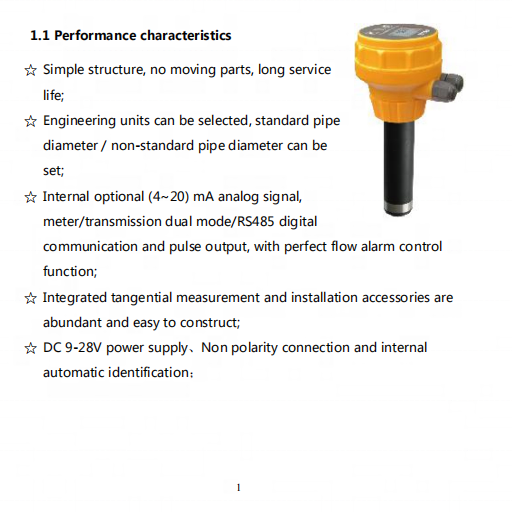
The Importance of Turbidity Sensors in Samsung Dishwashers
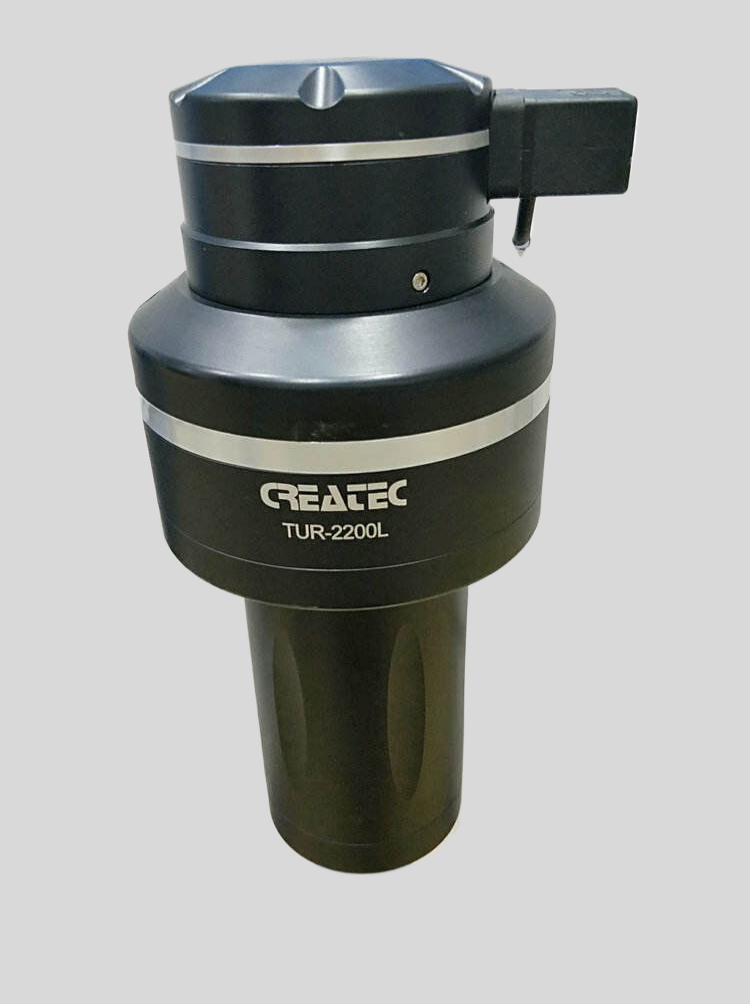
Turbidity sensors play a crucial role in the efficient operation of Samsung dishwashers. These sensors are designed to measure the cloudiness or turbidity of the water in the dishwasher during the wash cycle. By monitoring the level of soil and food particles in the water, the turbidity sensor can adjust the duration and intensity of the wash cycle to ensure that dishes are cleaned thoroughly.
One of the key benefits of having a turbidity sensor in a dishwasher is that it helps to conserve water and energy. By accurately detecting the level of dirt in the water, the sensor can optimize the wash cycle to use just the right amount of water and energy needed to clean the dishes. This not only helps to reduce water and energy consumption but also ensures that dishes are cleaned effectively without wasting resources.
In addition to saving water and energy, turbidity sensors also help to improve the overall cleaning performance of Samsung dishwashers. By adjusting the wash cycle based on the level of soil in the water, the sensor can ensure that dishes are cleaned thoroughly and that no food particles are left behind. This results in sparkling clean dishes with every wash, without the need for pre-rinsing or re-washing.
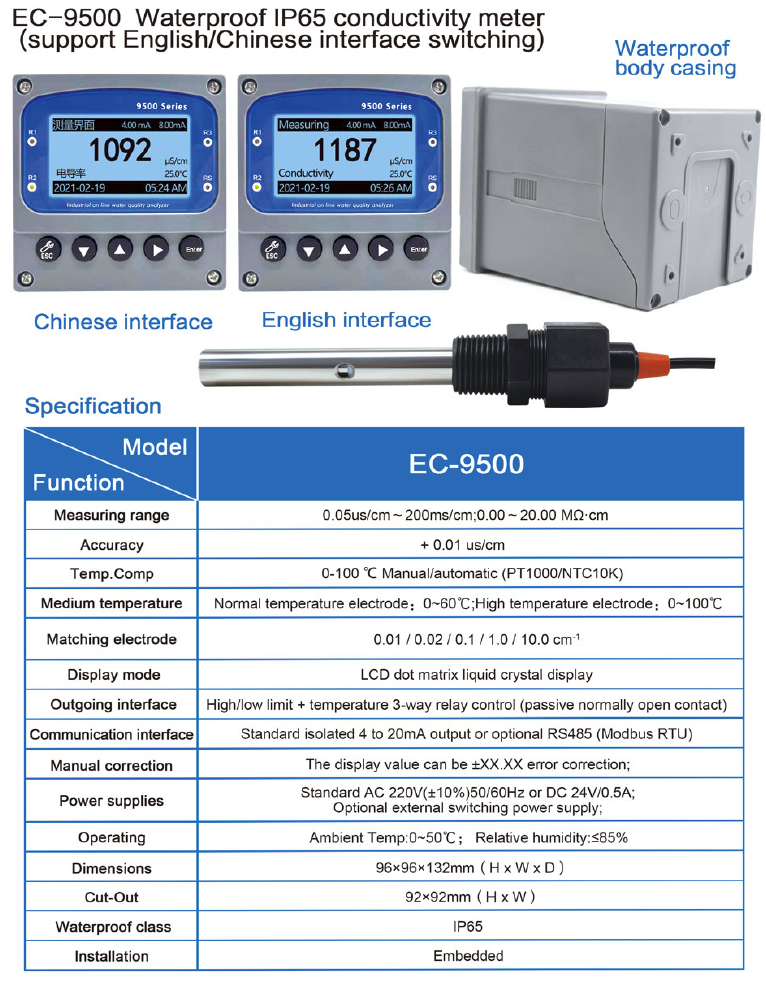
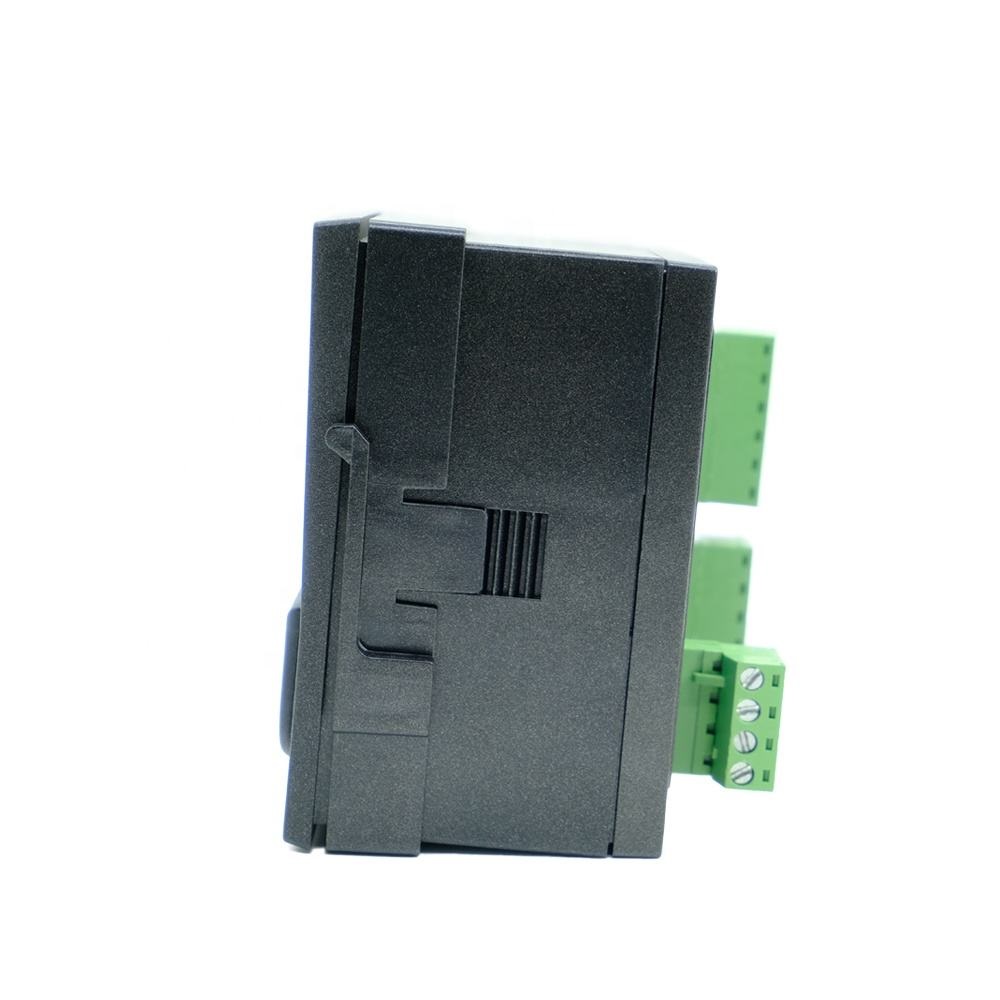
| Model | CCT-8301A Conductivity/Resistivity/TDS/TEMP Online Controller |
| Constant | 0.01cm-1, 0.1 cm-1, 1.0cm-1, 10.0 cm-1 |
| Conductivity | (500~100,000)uS/cm,(1~10,000)uS/cm, (0.5~200)uS/cm, (0.05~18.25) M\u03a9\u00b7cm |
| TDS | (250~50,000)ppm, (0.5~5,000)ppm, (0.25~100)ppm |
| Medium Temp. | (0~180)\u00b0C(Temp.Compensation: Pt1000) |
| Resolution | Conductivity: 0.01uS/cm, 0.01mS/cm; Resistivity: 0.01M\u03a9\u00b7cm; TDS:0.01ppm, Temp.: 0.1\u2103 |
| Accuracy | Conductivity: 1.5%(FS), Resistivity:2.0%(FS), TDS: 1.5%(FS), Temp.: +/-0.5\u2103 |
| Temp. compensation | With25\u00b0C as standard under normal medium; With 90C as standard under high temp medium |
| Communication port | RS485 Modbus RTU protocol |
| Analog output | Double channel (4~20)mA. Instrument/Transmitter for selection |
| Control Output | Triple channels photo-electronic semiconductor relay switch, Load capacity: AC/DC 30V,50mA(max) |
| Working Environment | Temp.(0~50)\u2103; relative humidity <95%RH (non-condensing) |
| Storage Environment | Temp.(-20~60)\u2103;Relative Humidity \u226485%RH (none condensation) |
| Power Supply | DC24V+/-15% |
| Protection Level | IP65 (with the back cover) |
| Dimension | 96mmx96mmx94mm(HxWxD) |
| Hole Size | 9lmmx91mm(HxW) |
Furthermore, turbidity sensors also contribute to the longevity of the dishwasher and its components. By optimizing the wash cycle based on the level of dirt in the water, the sensor helps to prevent overloading and overworking the dishwasher’s pump and motor. This can help to extend the lifespan of the dishwasher and reduce the likelihood of breakdowns or repairs.
Another advantage of having a turbidity sensor in a Samsung dishwasher is that it provides users with peace of mind. By automatically adjusting the wash cycle based on the level of soil in the water, the sensor takes the guesswork out of dishwashing and ensures consistent cleaning results every time. This can save users time and effort, as they can trust that their dishes will be cleaned effectively without the need for manual intervention.
Overall, turbidity sensors are a key feature in Samsung dishwashers that contribute to their efficiency, performance, and longevity. By accurately measuring the level of soil in the water and adjusting the wash cycle accordingly, these sensors help to conserve water and energy, improve cleaning performance, and provide users with peace of mind. If you are in the market for a new dishwasher, consider choosing a Samsung model with a turbidity sensor to enjoy these benefits and more.