Table of Contents
Benefits of Using a Water Flow Transmitter 4-20mA in Industrial Applications
Water flow transmitters are essential devices used in industrial applications to measure and monitor the flow of water in various processes. One of the most common types of water flow transmitters is the 4-20mA transmitter, which provides a reliable and accurate way to transmit flow data to control systems. In this article, we will explore the benefits of using a water flow transmitter 4-20mA in industrial applications.
Another benefit of using a water flow transmitter 4-20mA is its high level of accuracy. These transmitters are designed to provide precise measurements of water flow, ensuring that control systems can make informed decisions based on real-time data. This level of accuracy is crucial in industrial processes where even small variations in flow rate can have a significant impact on production efficiency and quality.
In addition to accuracy, water flow transmitters 4-20mA are also known for their reliability and durability. These devices are built to withstand harsh industrial environments, including extreme temperatures, high pressures, and corrosive substances. This means that they can continue to operate effectively even in challenging conditions, ensuring that flow data is always available when needed.
Furthermore, water flow transmitters 4-20mA are easy to install and maintain, making them a cost-effective option for industrial applications. These devices can be quickly integrated into existing systems, minimizing downtime and disruption to production processes. Additionally, their low maintenance requirements help to reduce overall operating costs, making them a practical choice for businesses looking to optimize their operations.
One of the key advantages of using a water flow transmitter 4-20mA is its compatibility with a wide range of control systems and communication protocols. This means that these transmitters can easily be integrated into existing infrastructure, allowing businesses to leverage their existing investments in automation and control technology. This compatibility also makes it easier to upgrade or expand systems in the future, ensuring that businesses can adapt to changing requirements and technologies.
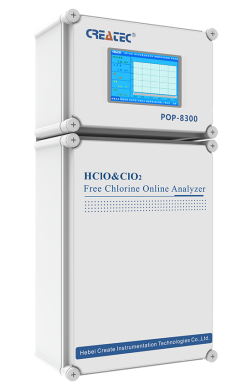
Overall, the benefits of using a water flow transmitter 4-20mA in industrial applications are clear. From its accuracy and reliability to its ease of installation and compatibility with existing systems, this type of transmitter offers a range of advantages that can help businesses improve their operations and maximize efficiency. By investing in a water flow transmitter 4-20mA, businesses can ensure that they have access to accurate and reliable flow data that can drive informed decision-making and optimize their processes.
How to Choose the Right Water Flow Transmitter 4-20mA for Your Specific Needs
Water flow transmitters are essential devices used in various industries to measure the flow rate of water in a system. These transmitters provide accurate and reliable data that can help in monitoring and controlling the flow of water in a process. One popular type of water flow transmitter is the 4-20mA transmitter, which is widely used due to its compatibility with most control systems.
When choosing a water flow transmitter 4-20mA for your specific needs, there are several factors to consider to ensure that you select the right device for your application. One of the most important factors to consider is the flow range of the transmitter. It is crucial to choose a transmitter that can accurately measure the flow rate within the expected range of your system. Selecting a transmitter with a wider range than necessary can lead to inaccurate readings, while choosing a transmitter with a narrower range may limit the flexibility of your system.
Another important factor to consider is the accuracy of the transmitter. The accuracy of a water flow transmitter is typically expressed as a percentage of the full-scale flow rate. It is essential to choose a transmitter with a high level of accuracy to ensure that you receive reliable data for your system. A transmitter with a higher accuracy level may come at a higher cost, but it is worth the investment to ensure the efficiency and effectiveness of your system.
In addition to accuracy, it is also important to consider the repeatability of the water flow transmitter. Repeatability refers to the ability of the transmitter to provide consistent and repeatable measurements over time. A transmitter with good repeatability will ensure that you can trust the data it provides for your system. It is recommended to choose a transmitter with a high level of repeatability to minimize errors and ensure the reliability of your system.
Furthermore, it is essential to consider the installation requirements of the water flow transmitter. Some transmitters may require specific mounting configurations or additional accessories for proper installation. It is important to ensure that the transmitter you choose is compatible with your system and can be easily installed without any complications. Additionally, consider the maintenance requirements of the transmitter to ensure that it can be easily maintained and serviced as needed.
When selecting a water flow transmitter 4-20mA, it is also important to consider the communication protocol of the device. The 4-20mA communication protocol is widely used in industrial applications due to its simplicity and reliability. However, it is essential to ensure that the transmitter is compatible with your control system and can communicate effectively with other devices in your system.
| pH/ORP-3500 series pH/ORP Online Meter | |||
| \u3000 | pH | ORP | Temp. |
| Measurement range | 0.00\uff5e14.00 | (-2000\uff5e+2000)mV | (0.0\uff5e99.9)\u2103\uff08Temp. Compensation \uff1aNTC10K) |
| Resolution | 0.01 | 1mV | 0.1\u2103 |
| Accuracy | \u00b10.1 | \u00b15mV\uff08electronic unit\uff09 | \u00b10.5\u2103 |
| Buffer Solution | 9.18\uff1b6.86\uff1b4.01\uff1b10.00\uff1b7.00\uff1b4.00 | ||
| Medium Temp. | (0\uff5e50)\u2103\uff08with 25\u2103\u00a0as standard \uff09manual / automatic temp.compensation for selection | ||
| Analog Output | Isolated one Channel\uff084\uff5e20\uff09mA\uff0cInstrument / Transmitter for selection | ||
| Control Output | Double relay output\uff08ON/OFF\uff09 | ||
| Consumption | <3W | ||
| Working Environment | Working temp.\u00a0(0\uff5e50)\u2103\uff1bRelative humidity\u226485%RH\uff08none condensation\uff09 | ||
| Storage Environment | Temp.\u00a0(-20\uff5e60)\u2103; Relative humidity\u226485%RH\uff08none condensation\uff09 | ||
| Dimension | 48mm\u00d796mm\u00d780mm (H\u00d7W\u00d7D) | ||
| Hole Size | 44mm\u00d792mm (H\u00d7W) | ||
| Installation | Panel mounted ,fast installation | ||
In conclusion, choosing the right water flow transmitter 4-20mA for your specific needs requires careful consideration of various factors such as flow range, accuracy, repeatability, installation requirements, and communication protocol. By taking these factors into account, you can select a transmitter that meets the requirements of your system and provides accurate and reliable data for monitoring and controlling the flow of water in your process.