Table of Contents
使用原位浊度传感器进行水质监测的优点
水质监测对于确保水源的安全和健康至关重要。水质监测中经常测量的一个关键参数是浊度,它是衡量由悬浮颗粒引起的流体浑浊度或混浊度的指标。传统上,浊度测量是使用在实验室分析的抓样进行的。但这种方法费时、费力,而且可能无法提供实时数据。近年来,原位浊度传感器已成为监测水体浊度的更有效、更准确的替代方案。
原位浊度传感器是直接部署在水体中连续实时测量浊度水平的设备。这些传感器的工作原理是向水中发射光束并测量水中悬浮颗粒散射或吸收的光量。原位浊度传感器收集的数据可以无线传输到数据记录器或中央监控系统,从而实现浊度水平的远程监控和分析。
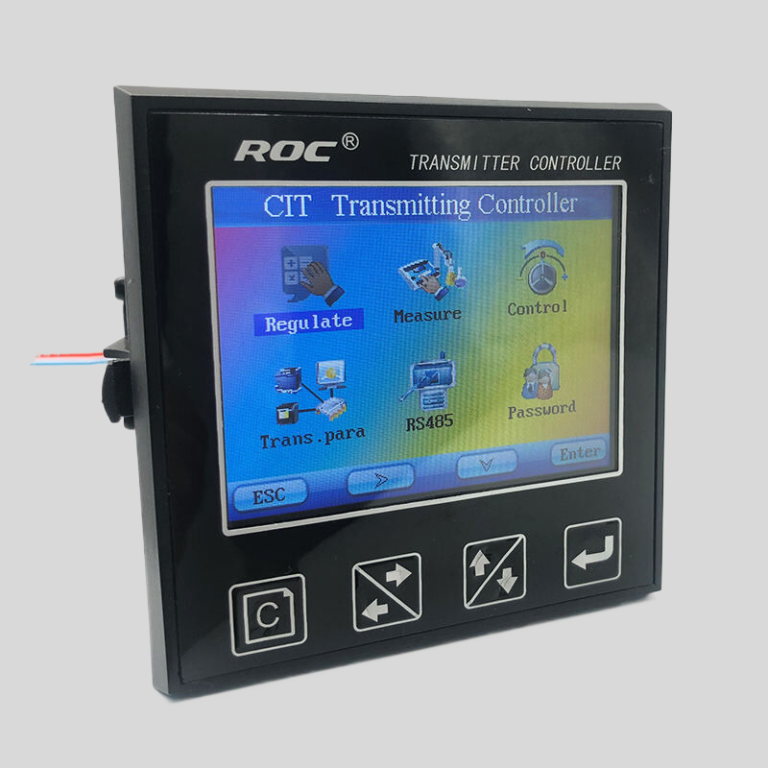
| ROC-2315 RO控制器说明书(220V) | |||
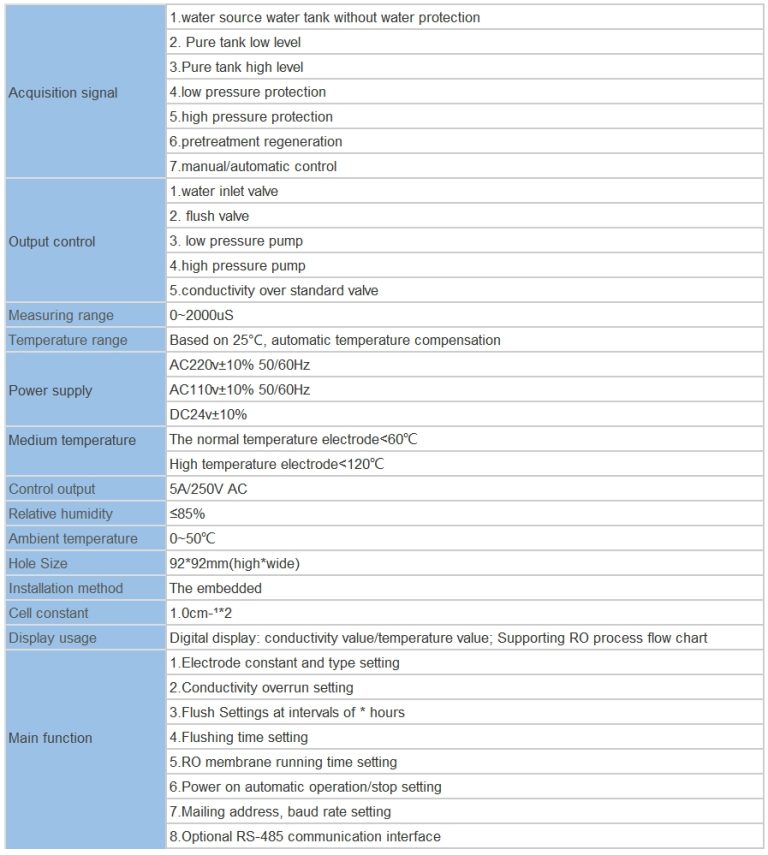
| 型号 | ROC-2315 | ||
| 单次检测 | 干接点输入 | 原水无水保护 | |
| (六通道) | 低压保护 | ||
| 高压保护 | |||
| 纯水箱高度及液位 | |||
| 外部控制模式信号 | |||
| 运行复位 | |||
| 控制端口 | 干接点输出 | 原水泵 | SPST-NO 低容量:AC220V/3A Max ;AC110V/5A Max |
| (五个通道) | 入口阀 | ||
| 高压泵 | |||
| 冲洗阀 | |||
| 电导率超限排水阀 | |||
| 测量检测点 | 产品水电导率和自动温度补偿(0~50)℃ | ||
| 测量范围 | 电导率:0.1~200μS/cm/1~2000μS/cm/10~999μS/cm(不同电导率传感器) | ||
| 准确度 | |||
| 1.5级 | 电源 | ||
| AC220V(110%)和50/60Hz | 工作环境 | ||
| 温度:(0~50)℃ 和 nbsp; | 相对湿度:% RH 和 nbsp;(无凝结) | ||
| 维度 | |||
| 96×96×130mm(高度×宽度×深度) | 孔径 | ||
| 91×91mm(高度×宽度) | 安装 | ||
| 面板安装,快速安装 | 认证 | ||
| CE | 使用原位浊度传感器进行水质监测的主要优势之一是能够获取实时数据。传统的抓取采样方法只能提供特定时间点浊度水平的快照,而原位传感器可以连续监测浊度水平,并更全面地了解浊度水平如何随时间波动。这些实时数据对于检测浊度水平的突然变化(例如在风暴事件或污染泄漏期间)非常宝贵,并且可以帮助水管理人员及时做出决策以保护水质。 | ||
除了实时数据之外,与抓取采样方法相比,原位浊度传感器还提供更高的准确性和精度。通过连续监测浊度水平,原位传感器可以捕获以离散时间间隔采集的样本可能会错过的浊度变化。这种连续监测可以对水体中的浊度水平进行更详细和准确的评估,这对于检测浊度水平随时间变化的趋势和模式至关重要。
此外,原位浊度传感器比传统的抓取采样方法更具成本效益和效率。虽然抓取采样需要劳动密集型的现场工作和实验室分析,但原位传感器可以长期部署,并且只需最少的维护。这减少了频繁的现场访问和与取样相关的劳动力成本,使原位传感器成为长期水质监测更具成本效益的选择。
使用原位浊度传感器的另一个优点是能够监测浊度难以到达或偏远地区的水平。原位传感器可以部署在河流、湖泊、水库和沿海水域中,提供有关这些不同水体浊度水平的宝贵数据。此功能对于监测容易发生沉积物径流、侵蚀或其他浑浊来源的区域的浑浊度尤其重要,因为它可以及早发现潜在的水质问题。
总而言之,原位浊度传感器为以下领域提供了众多优势:水质监测,包括实时数据、提高准确性和精度、成本效益以及监测不同水体浊度的能力。通过使用原位传感器,水资源管理者可以做出更明智的决策,以保护水质并确保水资源的可持续性。
原位浊度传感器如何改善环境监测工作
原位浊度传感器是环境监测工作中的重要工具,提供实时水质数据,可以帮助研究人员和政策制定者就资源管理和污染控制做出明智的决策。这些传感器测量由悬浮颗粒引起的液体的浑浊度或浑浊度,从而深入了解水体的整体健康状况。通过持续监测浊度水平,科学家可以跟踪水质随时间的变化并识别潜在的污染源。
型号
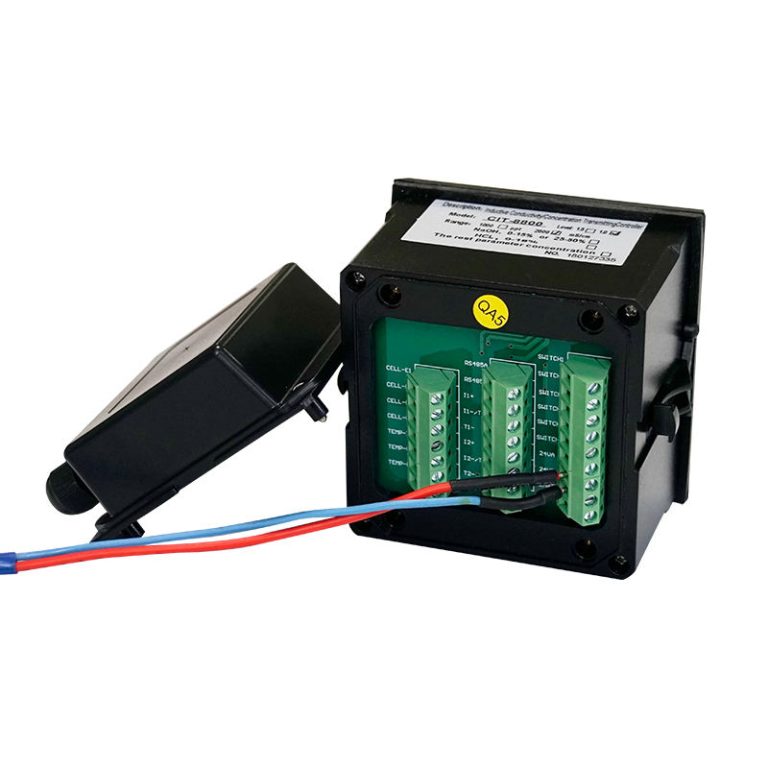
| CIT-8800感应式电导率/浓度在线控制器 | 浓度 |
| 1.NaOH:(0~15)%或(25~50)%; 2.硝酸 | :(0~25)%或(36~82)%; 3.用户自定义浓度曲线3电导率 |
| (500~2,000,000)uS/cm | 总固体溶解度 |
| (250~1,000,000)ppm | 温度 |
| (0~120)°C | 分辨率 |
| 准确度 | 电导率:(500~1000)uS/cm +/-10uS/cm; (1~2000)mS/cm+/-1.0% |
| TDS:1.5 级,温度:+/-0.5 | 温度。补偿 |
| 范围:(0~120)℃;元素:Pt1000 | |
| 通讯端口 | RS485.Modbus RTU协议 |
| 模拟输出 | 两通道隔离/可移植(4-20)mA,仪表/变送器可供选择 |
| 控制输出 | 三通道半导体光电开关、可编程开关、脉冲和频率 |
| 工作环境 | 95% RH(非冷凝) |
| 存储环境 | 温度(-20~60)℃;相对湿度≤85%RH(无凝结) |
| 电源 | 直流24V+15% |
| 防护等级 | IP65(带后盖) |
| 维度 | 96mmx96mmx94mm(高x宽x深) |
| 孔径 | 9lmmx91mm(高x宽) |
| 原位浊度传感器的主要优点之一是能够提供连续、自动的水质监测。传统的浊度测量方法(例如收集水样并在实验室中进行分析)既耗时又费力。相比之下,现场传感器可以长时间部署在现场,提供可远程访问的实时数据。这使得研究人员能够更有效地监测浊度水平的变化,并对可能出现的任何问题做出快速响应。 | 除了提供实时数据外,原位浊度传感器也比传统监测方法更具成本效益。通过消除频繁的现场访问和实验室分析的需要,这些传感器可以降低监测水质的总体成本。这使得资源有限的组织可以更轻松地实施监测计划并跟踪水质随时间的变化。
此外,原位浊度传感器高度准确且可靠,提供一致的测量结果,可用于评估人类活动的影响关于水质。通过跟踪浊度水平的变化,研究人员可以识别可能表明污染源或其他环境压力源的趋势和模式。然后,这些信息可用于制定减轻这些活动的影响并为子孙后代保护水资源的策略。 原位浊度传感器的另一个优点是其多功能性。这些传感器可以部署在从河流和湖泊到沿海水域和河口的各种环境中。这使得研究人员能够监测不同生态系统中的水质,并评估不同土地利用和活动对水质的影响。通过从多个地点收集数据,科学家可以更全面地了解影响浊度水平的因素,并制定有针对性的改善水质的策略。 总体而言,原位浊度传感器是改善环境监测工作的宝贵工具。通过提供实时水质数据,这些传感器可以帮助研究人员和政策制定者就资源管理和污染控制做出明智的决策。原位传感器能够提供连续、自动监测,为跟踪浊度水平随时间的变化提供了一种经济高效且可靠的解决方案。通过在各种环境中部署这些传感器,研究人员可以更好地了解影响水质的因素,并制定保护和保存宝贵水资源的策略。 |
One of the key benefits of in situ turbidity sensors is their ability to provide continuous, automated monitoring of water quality. Traditional methods of measuring turbidity, such as collecting water samples and analyzing them in a lab, are time-consuming and labor-intensive. In contrast, in situ sensors can be deployed in the field for extended periods of time, providing real-time data that can be accessed remotely. This allows researchers to monitor changes in turbidity levels more effectively and respond quickly to any issues that may arise.
In addition to providing real-time data, in situ turbidity sensors are also more cost-effective than traditional monitoring methods. By eliminating the need for frequent site visits and laboratory analysis, these sensors can reduce the overall cost of monitoring water quality. This makes it easier for organizations with limited resources to implement monitoring programs and track changes in water quality over time.
Furthermore, in situ turbidity sensors are highly accurate and reliable, providing consistent measurements that can be used to assess the impact of human activities on water quality. By tracking changes in turbidity levels, researchers can identify trends and patterns that may indicate pollution sources or other environmental stressors. This information can then be used to develop strategies for mitigating the impact of these activities and protecting water resources for future generations.
Another advantage of in situ turbidity sensors is their versatility. These sensors can be deployed in a wide range of environments, from rivers and lakes to coastal waters and estuaries. This allows researchers to monitor water quality in diverse ecosystems and assess the impact of different land uses and activities on water quality. By collecting data from multiple locations, scientists can gain a more comprehensive understanding of the factors influencing turbidity levels and develop targeted strategies for improving water quality.
Overall, in situ turbidity sensors are a valuable tool for improving environmental monitoring efforts. By providing real-time data on water quality, these sensors can help researchers and policymakers make informed decisions about resource management and pollution control. With their ability to provide continuous, automated monitoring, in situ sensors offer a cost-effective and reliable solution for tracking changes in turbidity levels over time. By deploying these sensors in a variety of environments, researchers can gain a better understanding of the factors influencing water quality and develop strategies for protecting and preserving our precious water resources.