Table of Contents
Key Takeaways
- Chlorine residual monitoring prevents 70-80% of waterborne disease outbreaks in distribution systems
- The EPA requires minimum residual chlorine levels of 0.2 mg/L at distant points in distribution networks
- Real-time monitoring enables response to contamination events within 15 minutes, preventing public health impacts
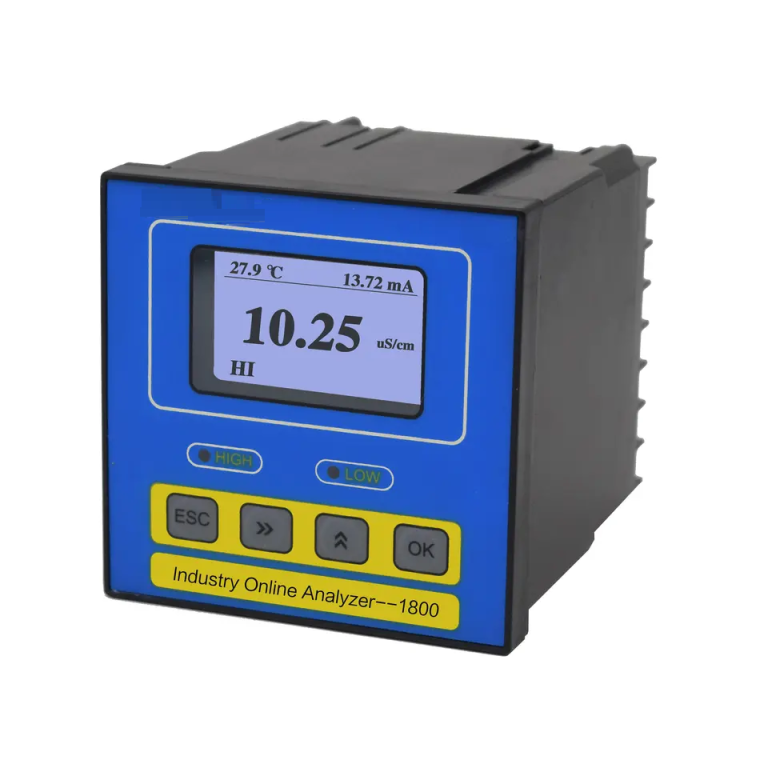
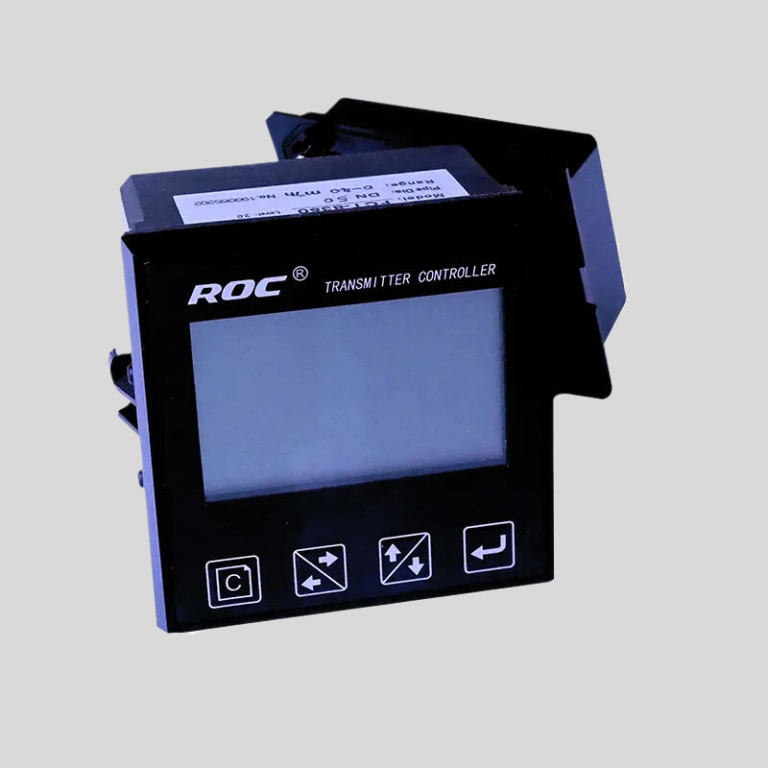
- ChiMay’s residual chlorine transmitters provide continuous measurement with +-0.03 mg/L accuracy
- Utilities implementing continuous monitoring achieve 40% reduction in disinfectant-related customer complaints
Introduction
Chlorine disinfection represents one of the most significant public health achievements of the 20th century. Since its adoption in the early 1900s, chlorine treatment has dramatically reduced waterborne disease transmission.
The Centers for Disease Control and Prevention (CDC) attributes 87% of documented waterborne disease outbreak prevention to successful disinfection. Yet the EPA reports that 15-25% of distribution systems experience chlorine residual violations during typical operational periods.
Understanding Chlorine Disinfection Fundamentals
Chlorine Chemistry in Water Systems
Chlorine disinfection involves complex chemical reactions:
Free Chlorine Mechanisms: Molecular chlorine (Cl2) and hypochlorous acid (HOCl) comprise free chlorine, the most effective disinfectant form.
Chloramine Formation: When ammonia is present, chlorine reacts to form chloramines, providing longer-lasting disinfection.
Reaction Kinetics: Chlorine consumption follows first-order kinetics, with decay rates influenced by temperature, pH, natural organic matter, and pipe materials.
The Journal of Water Supply: Research and Technology reports that chlorine decay rates in distribution systems range from 0.05-0.5 mg/L/day.
Disinfection By-Product Formation
While chlorine protects against microbial contamination, it reacts with natural organic matter to form disinfection by-products (DBPs):
Trihalomethanes (THMs): The EPA Stage 2 DBP Rule limits total THMs to 80 ug/L.
Haloacetic Acids (HAAs): The EPA limits HAA5 to 60 ug/L.
Trade-offs in Disinfection: Higher chlorine doses provide better microbial protection but increase DBP formation.
Regulatory Framework for Chlorine Residual
Federal Requirements
The EPA’s Surface Water Treatment Rules establish minimum residual chlorine requirements:
- Total Coliform Rule: Requires utilities to maintain disinfectant residuals sufficient to ensure 99.9% inactivation of viruses
- Ground Water Rule: Requires 0.2 mg/L minimum free chlorine residual
- Revised Total Coliform Rule (RTCR): Requires system assessments when coliform occurrences trigger Level 1 or Level 2 evaluations
State and Local Standards
Many jurisdictions impose stricter requirements. California requires 0.2 mg/L minimum free chlorine and 0.4 mg/L minimum combined chlorine.
Conclusion
Chlorine residual monitoring represents an essential component of modern drinking water management. By providing continuous visibility into disinfection status, monitoring systems enable utilities to protect public health, maintain regulatory compliance, and optimize operational efficiency.
ChiMay’s residual chlorine transmitters provide the continuous, accurate measurement capabilities that modern utilities require. With +-0.03 mg/L accuracy, robust PTFE membrane construction, and flexible communication protocols, these transmitters enable comprehensive distribution monitoring that protects public health while optimizing operational performance.