The Importance of Regularly Cleaning Your Conductivity Probe
Conductivity probes are essential tools used in various industries to measure the electrical conductivity of a solution. They are commonly used in water treatment plants, laboratories, and manufacturing facilities to ensure the quality and consistency of the solutions being tested. However, like any other tool, conductivity probes require regular maintenance to function properly and provide accurate readings.
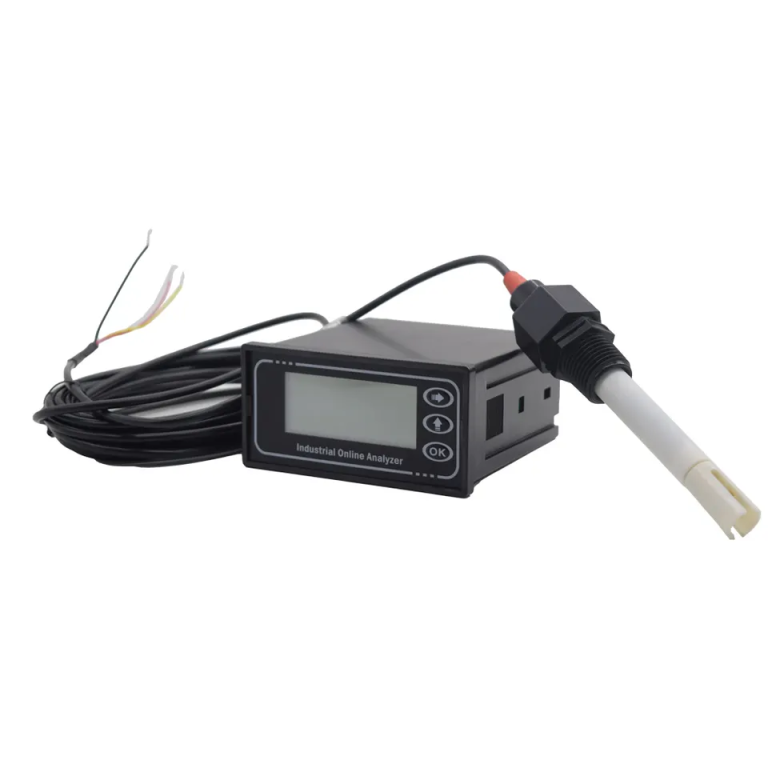
| Model | CM-230S Ecomonical Conductivity Monitor |
| Range | 0-200/2000/4000/10000uS/cm |
| 0-100/1000/2000/5000PPM | |
| Accuracy | 1.5%(FS) |
| Temp. Comp. | Automatic temperature compensation based on 25℃ |
| Oper. Temp. | Normal 0~50℃; High temp 0~120℃ |
| Sensor | Standard:ABS C=1.0cm-1 (others are optional) |
| Display | LCD Screen |
| Zero Correction | Manual correction for low range 0.05-10ppm Set from ECO |
| Unit Display | uS/cm or PPM |
| Power | AC 220V±10% 50/60Hz or AC 110V±10% 50/60Hz or DC24V/0.5A |
| Working Environment | Ambient temperature:0~50℃ |
| Relative humidity≤85% | |
| Dimensions | 48×96×100mm(H×W×L) |
| Hole Size | 45×92mm(H×W) |
| Installation Mode | Embedded |
One of the most important aspects of maintaining a conductivity probe is keeping it clean. Over time, probes can become contaminated with debris, oils, and other substances that can interfere with their ability to accurately measure conductivity. This can lead to inaccurate readings, which can have serious consequences in industries where precise measurements are crucial.
Regularly cleaning your conductivity probe is essential to ensure its accuracy and reliability. By removing any buildup or contaminants from the probe’s surface, you can prevent interference with the electrical signals being measured. This will help to ensure that your probe continues to provide accurate readings and maintain its effectiveness over time.
There are several methods for cleaning conductivity probes, depending on the type of probe and the substances it has come into contact with. One common method is to use a conductivity probe cleaner, which is specifically designed to remove contaminants from the probe’s surface without damaging its sensitive components. These cleaners are typically gentle enough to use regularly without causing any harm to the probe.
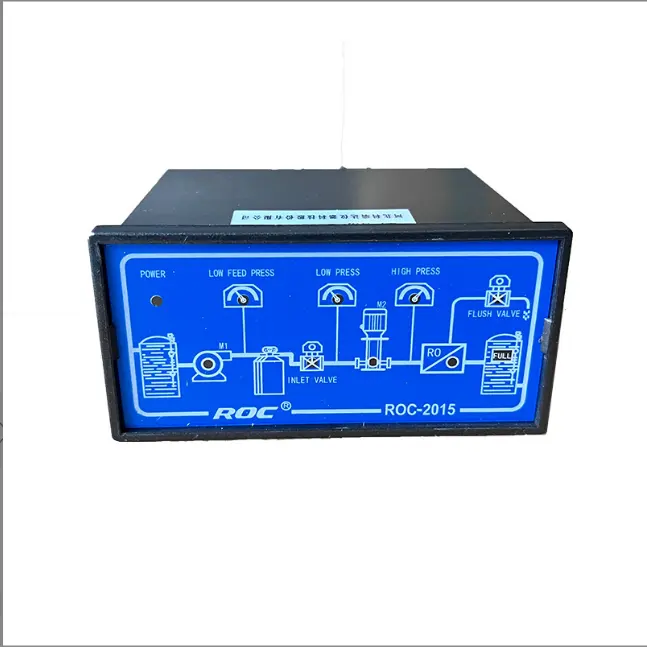
When using a conductivity probe cleaner, it is important to follow the manufacturer’s instructions carefully to ensure that the probe is cleaned properly. This may involve soaking the probe in the cleaner for a certain amount of time, gently scrubbing the surface with a soft brush, or rinsing the probe with clean water after cleaning. By following these instructions, you can effectively remove contaminants from the probe and restore its accuracy.
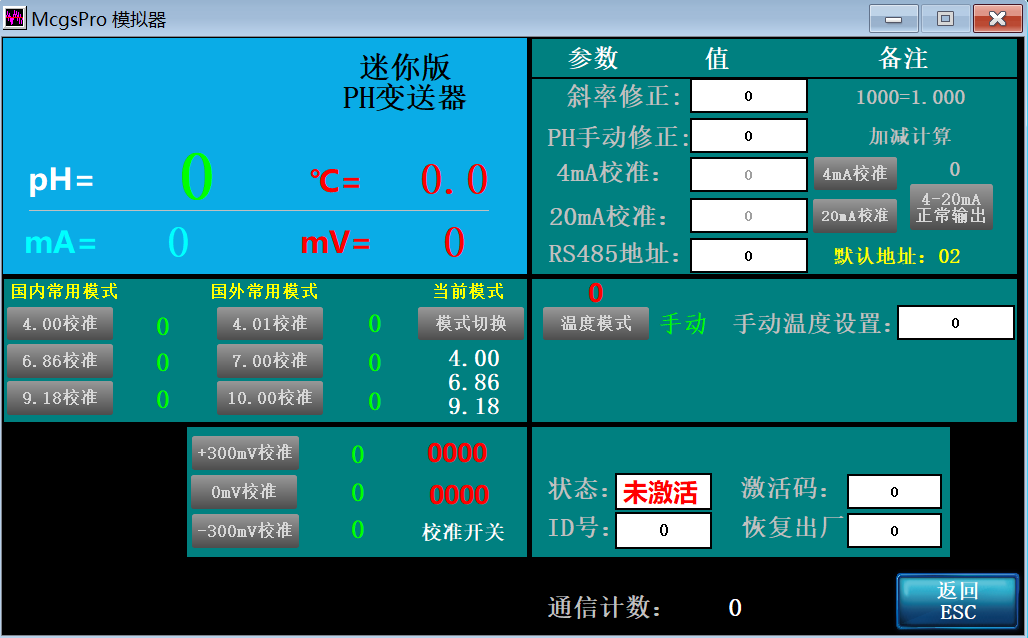
In addition to using a conductivity probe cleaner, it is also important to regularly inspect the probe for any signs of damage or wear. If you notice any cracks, chips, or other issues with the probe, it may be necessary to replace it to ensure accurate readings. Regular maintenance and inspection of your conductivity probe can help to prevent costly repairs or replacements in the future.
In conclusion, regularly cleaning your conductivity probe is essential to ensure its accuracy and reliability. By removing contaminants from the probe’s surface and inspecting it for any signs of damage, you can help to maintain the effectiveness of your probe and prevent costly repairs or replacements. Using a conductivity probe cleaner and following the manufacturer’s instructions for cleaning can help to keep your probe in optimal condition and ensure accurate measurements. By taking the time to properly maintain your conductivity probe, you can continue to rely on it for accurate readings in your industry.
| ROS-2210 Double-Stage Reverse Osmosis Program Controller | |
| 1.water source water tank without water protection | |
| 2. Pure tank low level | |
| 3.Pure tank high level | |
| Acquisition signal | 4.low pressure protection |
| 5.high pressure protection | |
| 6.pretreatment regeneration | |
| 7.manual/automatic control | |
| 1.water inlet valve | |
| 2. flush valve | |
| Output control | 3. low pressure pump |
| 4.high pressure pump | |
| 5.conductivity over standard valve | |
| Measuring range | 0~2000uS |
| Temperature range | Based on 25℃, automatic temperature compensation |
| AC220v±10% 50/60Hz | |
| Power supply | AC110v±10% 50/60Hz |
| DC24v±10% | |
| Medium temperature | The normal temperature electrode<60℃ |
| High temperature electrode<120℃ | |
| Control output | 5A/250V AC |
| Relative humidity | ≤85% |
| Ambient temperature | 0~50℃ |
| Hole Size | 92*92mm(high*wide) |
| Installation method | The embedded |
| Cell constant | 1.0cm-¹*2 |
| Display usage | Digital display: conductivity value/temperature value; Supporting RO process flow chart |
| 1.Electrode constant and type setting | |
| 2.Conductivity overrun setting | |
| 3.Flush Settings at intervals of * hours | |
| Main function | 4.Flushing time setting |
| 5.RO membrane running time setting | |
| 6.Power on automatic operation/stop setting | |
| 7.Mailing address, baud rate setting | |
| 8.Optional RS-485 communication interface | |