Table of Contents
Digital Twin Technology in Water Treatment: A 2026 Implementation Guide
Key Takeaways:
– Digital twin adoption in water treatment plants has grown by 67% since 2024
– AI-powered virtual replicas can reduce operational costs by 23% annually
– Real-time sensor integration enables predictive maintenance with 94% accuracy
– Modern digital twin platforms support OPC UA and Modbus industrial protocols
The water treatment industry is undergoing a fundamental transformation. According to Gartner 2025 Industrial IoT Report, digital twin technology adoption in critical infrastructure has accelerated at an unprecedented pace, with water utilities leading the charge. A digital twin creates a dynamic, virtual replica of your water treatment facility that mirrors real-time operations and can simulate different scenarios before implementing changes in the physical world.
What is Digital Twin Technology for Water Treatment?
A digital twin for water treatment combines IoT sensors, machine learning algorithms, and cloud computing to create a comprehensive virtual model of your entire treatment process. This technology integrates data from existing PI Systems and SCADA networks to create a comprehensive model of plant operations.
The core components include:
– Real-time data acquisition from inline pH meters, conductivity sensors, and dissolved oxygen transmitters
– Predictive analytics powered by LSTM neural networks
– 3D visualization of treatment tanks, filters, and distribution networks
– Scenario simulation for operational optimization
Plant Operations Managers use digital twins to test operational changes before implementing them in the actual facility. For instance, you can simulate increasing throughput by 20% to understand impacts on chemical consumption, energy usage, and effluent quality before making operational adjustments.
Benefits of Implementing Digital Twins
1. Energy Optimization
Digital twin technology enables facilities to identify energy-saving opportunities across aeration systems, pumping stations, and chemical dosing processes. Research from AquaAwwa 2025 indicates that facilities implementing digital twins achieve an average 18% reduction in energy consumption.
2. Chemical Efficiency
By simulating different chemical dosing scenarios, operators can optimize coagulant and disinfectant usage. This not only reduces costs but also minimizes environmental impact.
3. Predictive Maintenance
Through continuous monitoring and anomaly detection, digital twins can predict equipment failures before they occur. IEEE Transactions on Automation Science published research showing predictive maintenance reduces unplanned downtime by 45%.
Integrating Water Quality Sensors with Digital Twins
The foundation of any effective digital twin is reliable sensor data. Modern inline water quality sensors provide the critical inputs:
- Inline pH sensors for acid-base monitoring
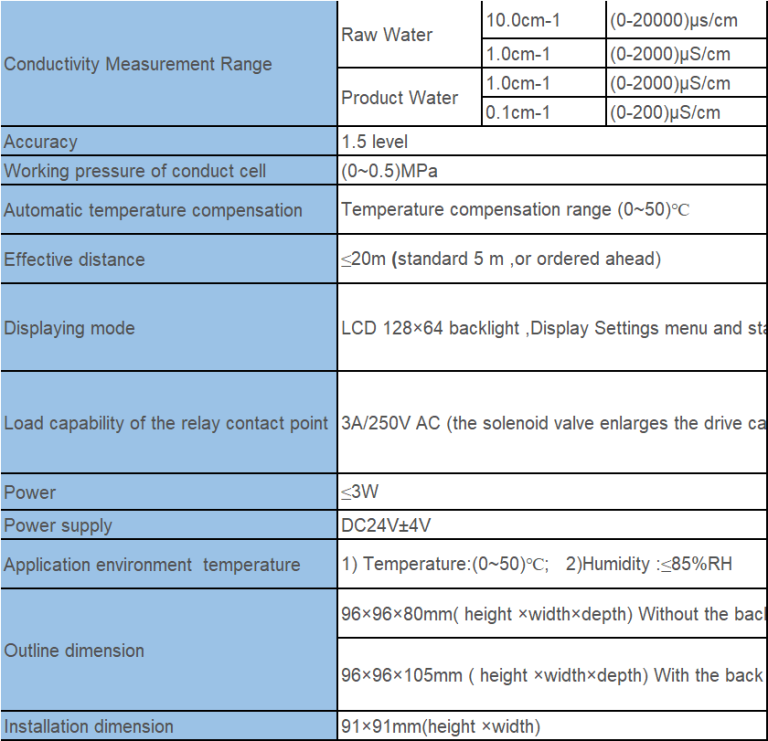
- Conductivity meters for total dissolved solids tracking
- Dissolved oxygen transmitters for aeration control
- Turbidity testers for filtration optimization
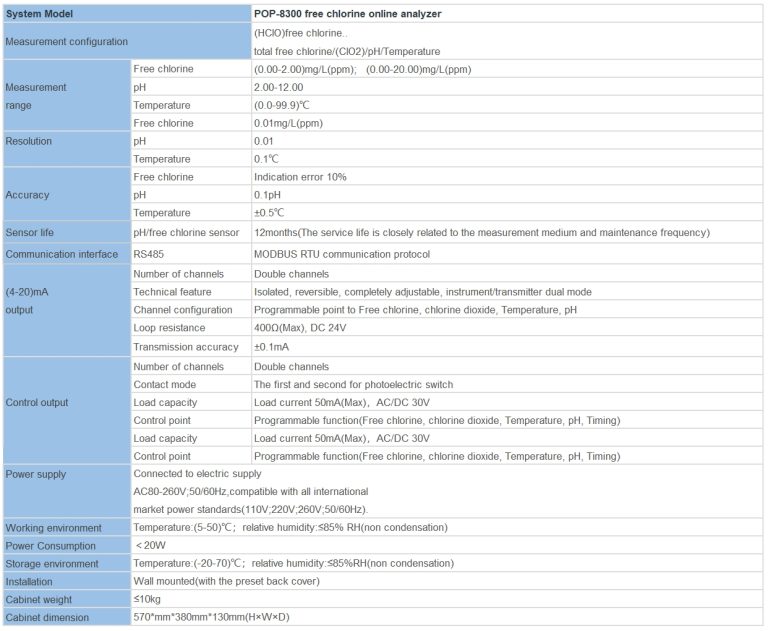
- Residual chlorine transmitters for disinfection monitoring
These sensors connect through industrial protocols like Modbus RTU, Profibus, or OPC UA, feeding real-time data into the digital twin platform.
Implementation Considerations
Before deploying digital twin technology, water treatment facilities should:
- Assess existing infrastructure – Evaluate current SCADA systems and sensor networks
- Define objectives – Clear goals for energy savings, quality improvement, or operational efficiency
- Start small – Begin with a single process unit before scaling
- Ensure data quality – The accuracy of your digital twin depends on sensor data quality
The Future of Water Treatment Digital Twins
Looking ahead, digital twin platforms will evolve to include:
– Generative AI for automatic scenario generation
– Autonomous optimization without human intervention
– Cross-facility learning through federated machine learning
– Blockchain-verified water quality data for regulatory compliance
The integration of digital twin technology with smart sensors represents the future of intelligent water management. Facilities that embrace this technology will achieve significant competitive advantages in operational efficiency, cost reduction, and environmental compliance.
Start your digital transformation journey today by deploying high-quality inline water quality sensors that provide the foundation for accurate, reliable digital twin modeling.