Table of Contents
Key Takeaways
—
Water Softening as a Strategic Procurement Category
For many industrial facilities, water softener valves occupy an unglamorous but operationally critical niche: they regenerate ion exchange resin beds that protect boilers, cooling towers, and process equipment from scale formation. When they function correctly, they are invisible. When they fail, they create scale-related damage that can cost $40,000–$180,000 per incident in boiler tube replacement, heat exchanger cleaning, and production downtime.
Despite this criticality, water softener valves are frequently procured reactively — purchased to replace a failed unit without competitive evaluation or strategic analysis. This approach leaves significant value on the table.
The industrial water softener valve market, valued at $2.4 billion globally in 2025 (per MarketsandMarkets), encompasses a wide spectrum of technology complexity: from simple time-clock driven single-tank valves for light commercial applications to fully programmable twin-tank systems with Modbus TCP communication for integration with building management systems (BMS) and SCADA platforms.
—
Understanding Regeneration Technology: Up-Flow vs. Down-Flow
The single most consequential technical distinction in softener valve procurement is the regeneration flow direction — whether backwash water flows downward through the resin bed (down-flow) or upward (up-flow). This choice has direct implications for resin utilization efficiency, salt consumption, and water waste.
Down-flow regeneration (traditional design): Water and brine enter the top of the valve and flow downward through the resin bed. This design is simpler and less expensive but tends to compact the resin bed over time and creates a concentrated brine contact zone that may not fully regenerate the bottom layers of resin.
Up-flow regeneration (counter-current design): Brine enters from the bottom of the valve and flows upward, lifting and fluidizing the resin bed. This design achieves superior resin regeneration because the most-depleted resin (at the influent end of the service run) receives the freshest brine first. Studies by the Water Quality Research Foundation (WQRF) demonstrate that up-flow regeneration achieves 95–98% resin utilization compared to 75–85% for down-flow designs.
The practical consequence: up-flow regeneration systems require 15–22% less salt per regeneration cycle to achieve equivalent hardness leakage performance. For a commercial installation regenerating 3 times per week with 200 kg of salt per regeneration:
—
Control Logic: Time-Clock vs. Demand-Initiated Regeneration
Beyond physical valve design, the regeneration control logic determines how frequently the softening system regenerates — and therefore how much salt and water it consumes.
Time-clock control: The valve regenerates on a fixed schedule (e.g., every 3 days) regardless of actual water usage. This approach is inexpensive but wastes salt during low-demand periods and may fail to regenerate frequently enough during high-demand periods.
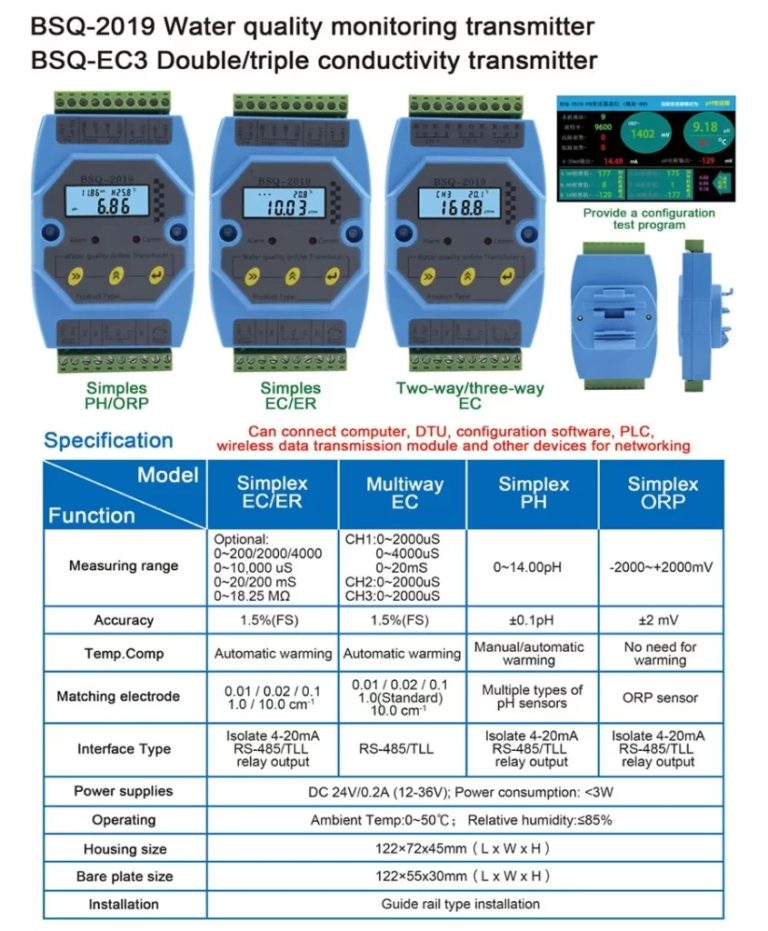
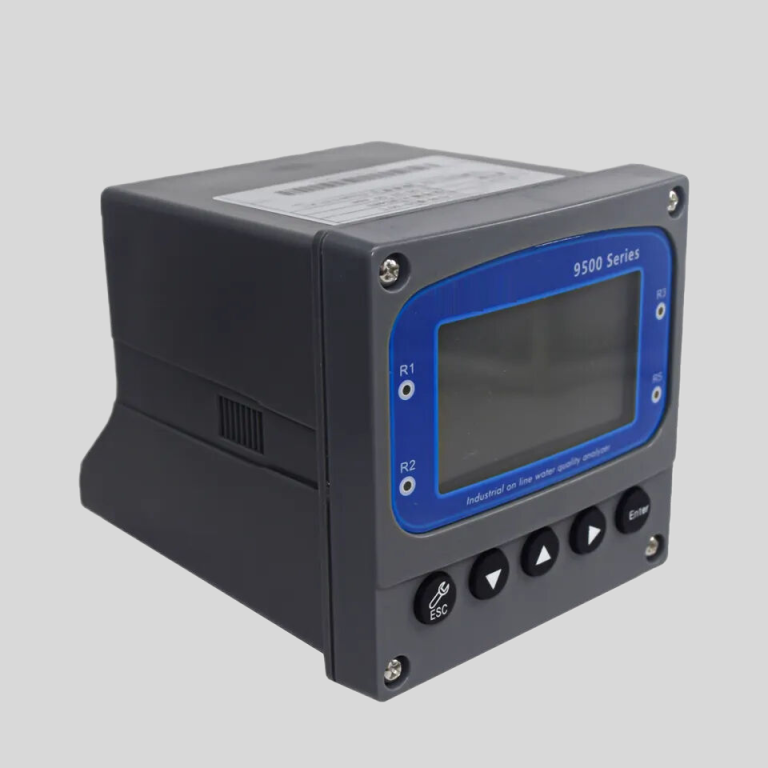
Demand-initiated regeneration (DIR): A water hardness sensor or conductivity sensor installed on the softener outlet detects when the resin is approaching exhaustion (indicated by a rise in effluent hardness or conductivity) and triggers regeneration only when needed. DIR systems reduce salt consumption by 30–45% compared to time-clock systems and prevent hardness leakage events during peak demand periods.
> “Demand-initiated regeneration is the single most impactful efficiency upgrade available for commercial water softening systems. The sensor cost pays back within 6–9 months through salt savings alone.” — Water Research Foundation, Best Practices in Industrial Water Softening, 2024
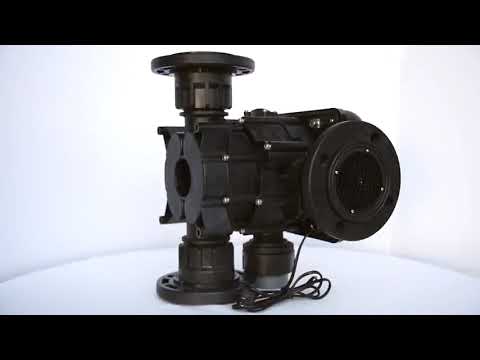
ChiMay softening and filtering valves support both time-clock and DIR modes via integrated conductivity sensing, enabling facilities to optimize regeneration frequency based on actual water demand rather than conservative scheduling assumptions.
—
Material Selection and Service Life
The material construction of a softener valve determines its resistance to the abrasive, chemically aggressive environment of a brine-handling system.
| Component | Budget Specification | Standard Specification | Premium Specification |
|---|
| Valve body | Glass-filled nylon | Forged brass | Stainless steel 316 |
|---|
| Seals | EPDM | EPDM (FDA grade) | PTFE-lined EPDM |
|---|
| Expected service life | 3–5 years | 8–12 years | 15–20 years |
|---|
For industrial applications where unplanned downtime carries significant cost, the forged brass body with ceramic disc closing element specification — standard in ChiMay industrial softener valves — represents the optimal balance of mechanical robustness and cost efficiency. The ceramic closing element resists abrasive wear from resin fines and suspended solids that rapidly degrade nylon closing elements in industrial service.
The maintenance burden also differs significantly by specification: budget valves typically require annual service kit replacements ($150–300 per valve) including seals, springs, and closing elements. Premium brass/ceramic valves require service kit replacement every 3–5 years, reducing annual maintenance costs by 60–70%.
—
Procurement Checklist for Industrial Water Softener Valves
For procurement officers evaluating softener valve suppliers, the following specification points should be non-negotiable:
1. Regeneration type: Up-flow (counter-current) for resin efficiency and salt savings
2. Control mode: Demand-initiated regeneration with integrated conductivity or hardness sensing
3. Flow capacity: Sized at 1.5–2× the peak design flow to accommodate flow surges without pressure loss
4. Communication protocol: Modbus RTU/TCP for SCADA integration and remote monitoring capability
5. Material specification: Brass body with ceramic disc for industrial durability
6. Salt efficiency certification: Performance data demonstrating < 110 g/L salt consumption per regeneration cycle
7. Service life warranty: Minimum 5-year warranty on valve body and closing mechanism
The consequences of selecting the lowest-priced valve for a critical industrial softening application are predictable and costly. Strategic sourcing — applying TCO analysis, demanding performance certifications, and evaluating supplier service infrastructure — consistently delivers valves that operate reliably for 10–15 years without the unplanned replacements that plague budget-specification purchases.