Table of Contents
Benefits of Using a Turbidity Sensor with Wiper in Water Treatment Plants
Water treatment plants play a crucial role in ensuring that the water we consume is safe and clean. One important aspect of water treatment is monitoring and controlling turbidity levels. Turbidity is a measure of the cloudiness or haziness of a fluid caused by suspended particles. High turbidity levels can indicate the presence of contaminants in the water, making it unsafe for consumption. To effectively monitor and control turbidity levels, water treatment plants often use turbidity sensors.
Turbidity sensors are devices that measure the amount of light scattered by particles in the water. By measuring the turbidity of the water, operators can determine the level of suspended solids present and take appropriate action to treat the water. However, one common challenge faced by water treatment plants is the build-up of particles on the sensor, which can affect its accuracy and reliability.
To address this issue, some turbidity sensors are equipped with a wiper mechanism. The wiper is a small arm that periodically sweeps across the sensor surface, removing any accumulated particles and ensuring that the sensor remains clean and accurate. This feature offers several benefits for water treatment plants.
First and foremost, a turbidity sensor with a wiper ensures consistent and reliable measurements. By keeping the sensor clean, the wiper prevents the build-up of particles that can interfere with the sensor’s readings. This helps operators make informed decisions about the treatment process and ensures that the water meets regulatory standards for turbidity levels.
Additionally, a turbidity sensor with a wiper can help reduce maintenance and downtime. Without a wiper, operators would need to manually clean the sensor regularly, which can be time-consuming and labor-intensive. By automating the cleaning process, the wiper saves time and allows operators to focus on other important tasks in the plant.
Furthermore, a turbidity sensor with a wiper can improve the overall efficiency of the water treatment process. By providing accurate and reliable measurements, the sensor helps operators optimize the treatment process and ensure that the water is treated effectively. This can lead to cost savings and improved water quality for consumers.
In addition to these benefits, a turbidity sensor with a wiper can also help water treatment plants comply with regulatory requirements. Many regulatory agencies have strict guidelines for turbidity levels in drinking water, and failure to meet these standards can result in fines and penalties. By using a sensor with a wiper, operators can ensure that they are consistently monitoring turbidity levels and taking appropriate action to maintain compliance.
Overall, a turbidity sensor with a wiper is a valuable tool for water treatment plants looking to improve the accuracy, reliability, and efficiency of their turbidity monitoring process. By keeping the sensor clean and providing consistent measurements, the wiper helps operators make informed decisions about the treatment process and ensure that the water is safe for consumption. With the increasing focus on water quality and safety, investing in a turbidity sensor with a wiper is a smart choice for any water treatment plant.
How to Properly Maintain and Calibrate a Turbidity Sensor with Wiper
Turbidity sensors with wipers are essential tools for monitoring water quality in various industries, including wastewater treatment plants, drinking water facilities, and environmental monitoring stations. These sensors measure the cloudiness or haziness of a liquid caused by suspended particles, such as sediment, algae, or other contaminants. Proper maintenance and calibration of turbidity sensors with wipers are crucial to ensure accurate and reliable measurements.
To properly maintain a turbidity sensor with a wiper, regular cleaning is essential. The wiper mechanism helps to keep the sensor’s optical surfaces clean by removing any buildup of particles or biofilm. It is important to inspect the wiper regularly to ensure that it is functioning correctly and to clean it if necessary. The frequency of cleaning will depend on the level of turbidity in the water being monitored and the operating conditions of the sensor.
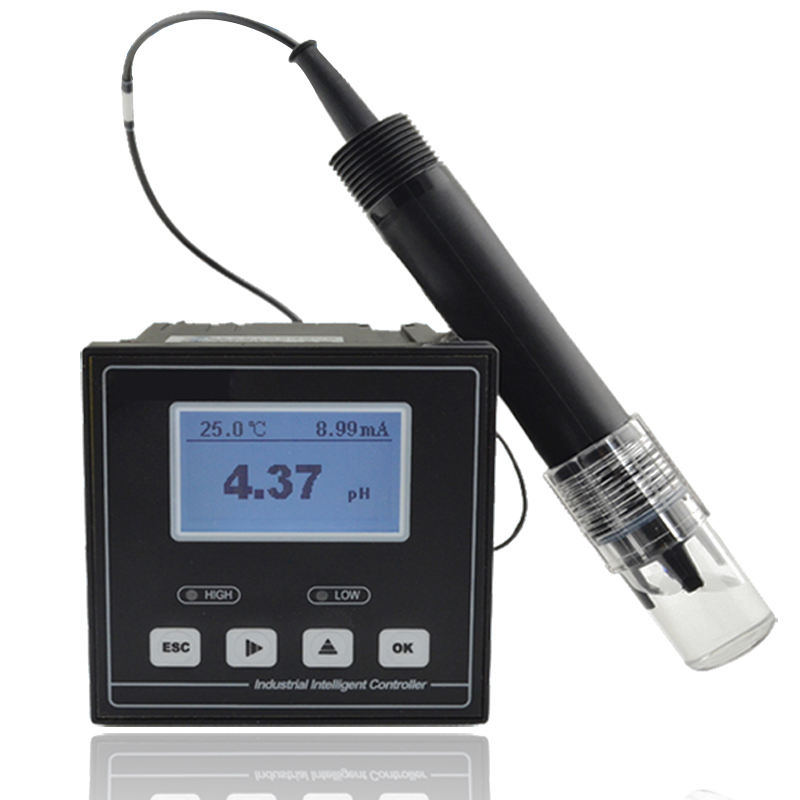
In addition to cleaning the wiper, it is also important to clean the optical surfaces of the sensor itself. Over time, these surfaces can become coated with contaminants, which can affect the accuracy of the measurements. Using a soft cloth or brush, gently wipe the optical surfaces to remove any buildup of particles. Avoid using harsh chemicals or abrasive materials, as these can damage the sensor.
Calibrating a turbidity sensor with a wiper is another important aspect of maintenance. Calibration ensures that the sensor is providing accurate and reliable measurements. The calibration process involves comparing the sensor’s readings to a known standard and making any necessary adjustments to ensure accuracy. Calibration should be performed regularly, following the manufacturer’s guidelines.
| Model | RM-220s/ER-510 Resistivity Controller |
| Range | 0-20uS/cm; 0-18.25M\u03a9 |
| Accuracy | 2.0%(FS) |
| Temp. Comp. | Automatic temperature compensation based on 25\u2103 |
| Oper. Temp. | Normal 0\uff5e50\u2103; High temp 0\uff5e120\u2103 |
| Sensor | 0.01/0.02 cm-1 |
| Display | LCD Screen |
| Communication | ER-510:4-20mA output/RS485 |
| Output | ER-510:High/Low limit dual relay control |
| Power | AC 220V\u00b110% 50/60Hz or AC 110V\u00b110% 50/60Hz or DC24V/0.5A |
| Working Environment | Ambient temperature:0\uff5e50\u2103 |
| Relative humidity\u226485% | |
| Dimensions | 48\u00d796\u00d7100mm(H\u00d7W\u00d7L) |
| Hole Size | 45\u00d792mm(H\u00d7W) |
| Installation Mode | Embedded |
When calibrating a turbidity sensor with a wiper, it is important to use a calibration standard that is appropriate for the range of turbidity being measured. The standard should be a stable, homogeneous solution with a known turbidity value. Follow the manufacturer’s instructions for preparing and using the calibration standard.
During the calibration process, it is important to ensure that the sensor is properly aligned and that the optical surfaces are clean. Any misalignment or contamination can affect the accuracy of the calibration. Follow the manufacturer’s guidelines for aligning the sensor and cleaning the optical surfaces before calibration.
After calibrating the sensor, it is important to verify the calibration by comparing the sensor’s readings to another known standard. This step helps to ensure that the calibration was successful and that the sensor is providing accurate measurements. If there is a discrepancy between the sensor’s readings and the standard, adjustments may need to be made to the calibration.
In conclusion, proper maintenance and calibration of turbidity sensors with wipers are essential for ensuring accurate and reliable measurements of water quality. Regular cleaning of the wiper and optical surfaces, as well as regular calibration using appropriate standards, are key components of effective sensor maintenance. By following the manufacturer’s guidelines and best practices for maintenance and calibration, you can ensure that your turbidity sensor with wiper is providing accurate and reliable data for your monitoring needs.