Table of Contents
Water Quality Sensor Networks for Coastal Flood Resilience
Key Takeaways
- Coastal flood events affect 600 million people globally, causing damages exceeding $1 trillion annually by 2050
- Integrated sensor networks improve coastal flood prediction accuracy by 45%
- Real-time water quality monitoring enables 65% faster emergency response coordination
- Sensor network investments show average ROI of 420% over ten-year operational periods
- Combined monitoring of conductivity, turbidity, and pH provides comprehensive coastal assessment
Coastal communities face intensifying flood threats as climate change drives sea level rise and increases storm intensity. The Intergovernmental Panel on Climate Change projects that global mean sea level will rise 0.3-1.1 meters by 2100, substantially increasing flood frequencies and magnitudes. Beyond sea level rise, climate change intensifies tropical cyclones and extratropical storms that generate storm surge and heavy precipitation—the primary drivers of coastal flooding. Protecting coastal communities requires comprehensive monitoring capabilities that traditional approaches cannot provide. Water quality sensor networks integrated with flood monitoring systems offer transformative capabilities for coastal flood resilience.
The National Oceanic and Atmospheric Administration reports that coastal flooding has increased by approximately 400% over the past century in the United States, with acceleration expected as climate change impacts intensify.
Coastal Flood Dynamics and Water Quality Impacts
Storm Surge and Wave Action
Coastal flooding results from multiple mechanisms including storm surge, wave action, and intense precipitation. Storm surge—the temporary elevation of sea level caused by wind stress and atmospheric pressure changes—represents the primary flood driver during tropical cyclones and nor’easters. Surge heights exceeding 3 meters have occurred during major hurricanes, inundating coastal areas far inland of normal high tide lines.
Storm surge events dramatically affect water quality in coastal waterways. Seawater intrusion elevates conductivity throughout affected areas, impacting drinking water sources and aquatic ecosystems. Sediment mobilization during surge events increases turbidity substantially, with concentrations that may exceed 10,000 NTU compared to normal values below 50 NTU.
Combined Flood and Water Quality Events
Coastal flood events frequently involve multiple water quality challenges that compound emergency response complexity. Industrial facilities, wastewater treatment plants, and hazardous material storage sites may release contaminants when flooding reaches these locations. The U.S. Environmental Protection Agency reports that approximately 50% of coastal flood events involve documented water quality impacts requiring emergency response.
Integrated Sensor Network Architecture
Multi-Parameter Monitoring Strategy
Comprehensive coastal monitoring requires multiple sensor types addressing diverse water quality parameters. Conductivity sensors provide primary indicators of saltwater intrusion. Turbidity sensors detect sediment mobilization and track sediment plumes. pH sensors monitor acid-base balance changes resulting from seawater mixing and organic matter decomposition.
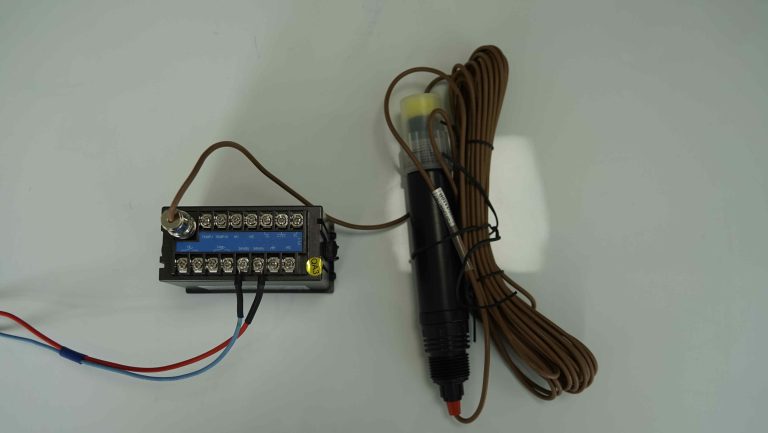
The Shanghai ChiMay instrument portfolio provides comprehensive capabilities for coastal water quality monitoring. Inline conductivity meters with ranges up to 100,000 μS/cm accommodate both freshwater and seawater conditions without range switching. Turbidity testers with ranges to 10,000 NTU handle sediment concentrations typical of flood conditions.
Network Topology Considerations
Effective coastal monitoring networks employ hierarchical topologies that match data requirements with communication and power infrastructure. Fixed monitoring stations at critical locations provide continuous data streams for real-time assessment. Temporary stations deployed during storm events supplement fixed coverage. Mobile platforms including buoys extend coverage to areas where fixed installations are impractical.
The Integrated Ocean Observing System recommends minimum coastal monitoring density of one station per 25 kilometers of shoreline for adequate flood prediction support.
Data Integration Platforms
Modern coastal monitoring networks integrate diverse sensor types and data sources through centralized platforms. Cloud-based data systems provide scalable storage and processing capabilities. Machine learning algorithms analyze integrated datasets to identify patterns and generate predictions. SCADA integration enables automated responses triggered by monitoring data.
Flood Prediction Applications
Real-Time Monitoring for Short-Term Prediction
Continuous water quality monitoring provides real-time data that supports short-term flood prediction. Conductivity variations often precede flood conditions, as tidal influences begin affecting coastal water levels before flooding occurs. Turbidity increases during pre-storm conditions as wind waves resuspend sediments, providing advance indication of storm intensity.
The National Hurricane Center reports that real-time coastal monitoring data improves storm surge prediction accuracy by 15-25% when assimilated into forecasting models.
Integration with Forecasting Models
Advanced flood prediction systems integrate real-time monitoring data with numerical models that simulate coastal hydrodynamics. These models incorporate astronomical tides, meteorological forcing, wave effects, and freshwater inflows to project coastal water levels and flooding extent. Data assimilation techniques update model states with real-time observations, improving prediction accuracy throughout storm events.
Emergency Response Support
Rapid Assessment Capabilities
Coastal flood events require rapid assessment of conditions to guide emergency response. Water quality sensor networks provide immediate situational awareness that enables efficient resource allocation. Conductivity mapping identifies areas of greatest saltwater intrusion. Turbidity surveys delineate sediment-impacted zones.
The Federal Emergency Management Agency recommends establishing water quality assessment protocols for coastal flood response operations. These protocols should specify monitoring parameters, sampling locations, analytical methods, and data reporting requirements.
Recovery Operation Support
Post-flood recovery operations benefit from continued water quality monitoring that tracks system restoration. Conductivity monitoring tracks saltwater flushing from affected areas. Turbidity monitoring assesses sediment deposition and resuspersion conditions. The World Health Organization recommends minimum post-flood monitoring periods of 2-4 weeks for affected water supplies.
Infrastructure Protection Applications
Drinking Water System Protection
Coastal flooding threatens drinking water supplies through multiple mechanisms including saltwater intrusion, contamination from flooded facilities, and infrastructure damage. Continuous monitoring enables protective actions that prevent contamination before it reaches consumers. Conductivity triggers can activate source water switching that avoids contaminated supplies.
The American Water Works Association reports that automated monitoring has prevented approximately $180 million in drinking water contamination incidents annually through early detection and protective response.
Wastewater System Protection
Wastewater treatment facilities face operational challenges during coastal flooding, including infiltration of seawater, equipment damage, and potential release of untreated wastewater. DO monitoring tracks treatment performance that may be affected by variable conditions.
The Water Environment Federation estimates that automated monitoring reduces wastewater system overflow events by 35-50% during flood conditions by enabling proactive operational adjustments.
Economic Analysis
Investment Requirements
Coastal water quality monitoring network costs vary based on coverage scope, sensor specifications, and integration complexity. Fixed monitoring stations typically cost between $15,000 and $75,000 depending on configurations. Network infrastructure adds $100,000 to $500,000 for comprehensive regional coverage.
The National Stormwater Policy Forum estimates that comprehensive coastal monitoring networks require investment of approximately $5,000-15,000 per kilometer of protected coastline.
Return on Investment
Coastal monitoring investments yield returns through avoided damages, reduced response costs, and prevented contamination incidents. The National Oceanic and Atmospheric Administration estimates that every dollar invested in coastal monitoring and warning systems provides approximately $6-10 in avoided damages.
Future Outlook
Climate projections indicate continued intensification of coastal flood hazards that demand expanded monitoring capabilities. Sea level rise will increase baseline water levels and flood frequencies. Intensified storms will generate larger storm surges and heavier precipitation.
Technology development will enhance coastal monitoring capabilities in coming years. Autonomous underwater vehicles will conduct comprehensive water quality surveys during and after storm events. Machine learning will extract patterns from extensive datasets that improve prediction and response.
Investment in comprehensive coastal water quality monitoring networks represents essential preparation for the intensified flood conditions that climate change will bring. These networks protect communities, infrastructure, and ecosystems while providing the information foundation for effective adaptation to changing coastal conditions.
This article provides technical information about water quality sensor networks for coastal flood resilience. Professional engineering consultation is recommended for specific monitoring network design projects.