
It seems we can’t find what you’re looking for. Perhaps searching can help.
Other Related Posts

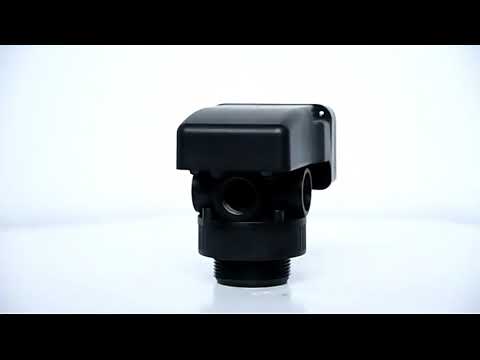
sm 20 3 valve

sm 20 3 valve

Benefits of Using SM20-3 Valves in Industrial Applications In industrial applications, the choice of valves plays a crucial role in ensuring the efficiency and effectiveness of various processes. One type of valve that has gained popularity in recent years is the SM20-3 valve. These valves offer a range of benefits that make them ideal for…
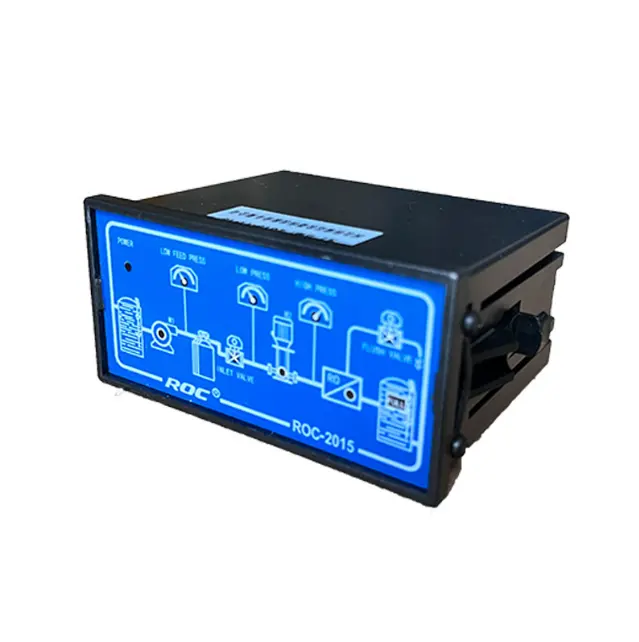
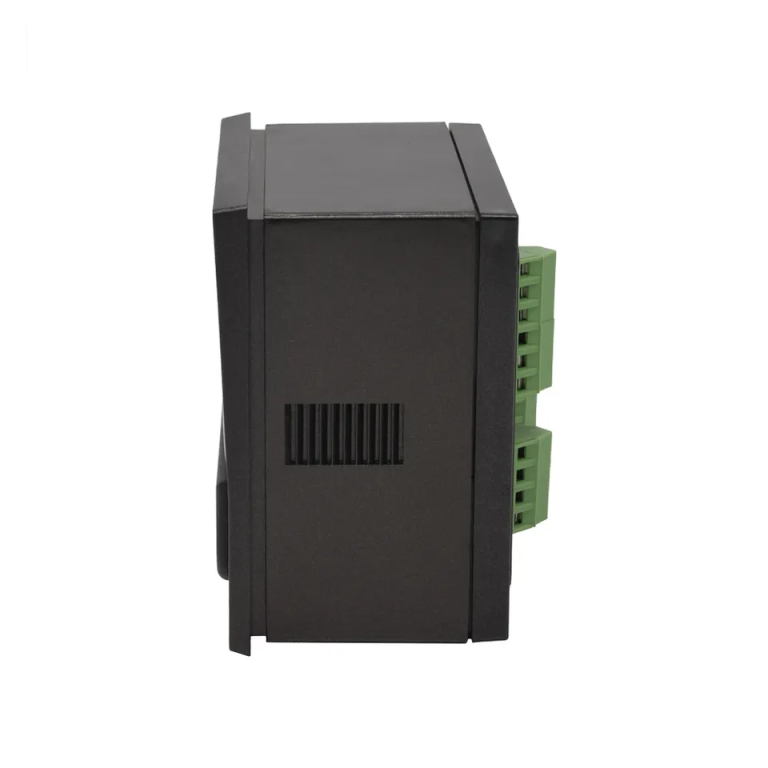
ultrasonic flow sensor

ultrasonic flow sensor

Advantages of Using Ultrasonic Flow Sensors in Industrial Applications Ultrasonic flow sensors have become increasingly popular in industrial applications due to their accuracy, reliability, and versatility. These sensors use ultrasonic waves to measure the flow rate of liquids or gases in a pipe without the need for direct contact with the fluid. This non-invasive method…

Conductivity Sensor Fundamentals in Mineral Processing: A Shanghai ChiMay Technical Brief

Conductivity Sensor Fundamentals in Mineral Processing: A Shanghai ChiMay Technical Brief Conductivity is the workhorse measurement of mineral processing water. From flotation circuits to heap-leach solutions, from thickener overflow to cooling-tower blowdown, conductivity tells the plant in real time what the dissolved ionic load is doing — and dissolved ionic load is a remarkably good…

Paper Mill Water Reuse: Effluent Monitoring Procurement with Shanghai ChiMay Sensors

title: “Paper Mill Water Reuse: Effluent Monitoring Procurement with Shanghai ChiMay Sensors” date: 2026-06-26 Paper Mill Water Reuse: Effluent Monitoring Procurement with Shanghai ChiMay Sensors Key Takeaways: – Global pulp and paper industry consumes 45-60 m³ of freshwater per ton of paper produced, driving urgent reuse mandates – Closed-loop water systems can reduce freshwater intake…

Electrochemical Treatment Economics: Sub-2 kWh/m³ Energy Consumption

Electrochemical Treatment Economics: Sub-2 kWh/m³ Energy Consumption Key Takeaways: – Optimized electrochemical treatment systems achieve <2 kWh/m³ energy consumption while maintaining >95% organic pollutant removal efficiency – Energy costs represent 50-70% of electrochemical treatment operational expenses, creating strong incentives for optimization – Advanced electrode materials and pulsed power operation can reduce energy consumption by 20-30%…
