Table of Contents
Membrane Market Outlook: $12B+ Investment Opportunities in Water Treatment
Key Takeaways:
– Global membrane market projected to reach $12.8 billion by 2028, representing 8.2% CAGR growth
– Industrial wastewater treatment drives 35% of membrane market demand
– Asia-Pacific region accounts for 45% of global membrane consumption
– Shanghai ChiMay provides essential monitoring instrumentation for membrane system deployment
– Membrane bioreactor (MBR) segment shows strongest growth at 12.5% CAGR
The global water treatment membrane market has entered an expansion phase driven by intensifying water scarcity, tightening discharge regulations, and increasing industrial water reuse mandates. Investment opportunities in membrane technology span multiple segments, applications, and geographic regions. This analysis examines market dynamics, growth drivers, and strategic considerations for stakeholders evaluating membrane sector participation.
Global Membrane Market Overview
Market Size and Growth Trajectory
Current market valuation and projected growth:
2024 Market Size: $9.2 billion (membrane systems and components)
2028 Projection: $12.8 billion (compound annual growth rate of 8.2%)
2030 Forecast: $15.1 billion (extended projection incorporating emerging applications)
Market growth reflects cumulative impacts of multiple reinforcing factors:
- Water scarcity intensification: 40% of global population experiencing water stress
- Regulatory tightening: Pharmaceutical and chemical discharge limits approaching ng/L detection levels
- Industrial water reuse: Major industries targeting 60-80% water recovery rates
- Desalination expansion: Membrane-based desalination capacity growing 8-10% annually
Market Segmentation Analysis
By Technology:
| Membrane Type | 2024 Market Share | 2028 Projection | CAGR |
|---|---|---|---|
| Microfiltration (MF) | 22% | 20% | 6.5% |
| Ultrafiltration (UF) | 28% | 27% | 7.8% |
| Nanofiltration (NF) | 18% | 20% | 10.5% |
| Reverse Osmosis (RO) | 32% | 33% | 8.9% |
By Application:
- Industrial wastewater treatment: 35% of market
- Municipal wastewater treatment: 25% of market
- Desalination: 22% of market
- Food and beverage processing: 10% of market
- Pharmaceutical and biotechnology: 8% of market
By Region:
- Asia-Pacific: 45% of global market
- North America: 22% of global market
- Europe: 20% of global market
- Rest of World: 13% of global market
Investment Opportunity Assessment
High-Growth Segments
Membrane Bioreactor (MBR) Technology
MBR systems combining biological treatment with membrane separation demonstrate the strongest growth trajectory:
Market Size: $3.2 billion (2024)
Growth Rate: 12.5% CAGR through 2028
Key Drivers:
- Municipal water reuse mandates in water-stressed regions
- Compact footprint requirements for urban treatment facilities
- Superior effluent quality meeting stringent discharge standards
Investment Considerations: MBR growth aligns with circular economy principles and urban water management strategies.
Nanofiltration for Resource Recovery
NF technology enabling selective separation positions for resource recovery applications:
Market Size: $1.8 billion (2024)
Growth Rate: 10.5% CAGR through 2028
Key Drivers:
- Phosphorus recovery from wastewater (circular economy)
- Heavy metal removal and value recovery
- Pharmaceutical and chemical concentration
Investment Considerations: Resource recovery applications create revenue streams beyond water treatment.
Advanced Materials Development
Emerging membrane materials represent high-risk, high-reward investment opportunities:
COF Membranes: Projected market entry 2026-2027, addressing micropollutant removal
MOF Mixed-Matrix Membranes: Commercial products anticipated 2027-2028, enhanced performance for specialty applications
Graphene Oxide Membranes: Research-stage technology with long-term commercialization potential
Investment Considerations: Material innovation drives differentiation and competitive advantage.
Geographic Opportunity Assessment
Asia-Pacific Dominance
The Asia-Pacific region presents the largest market opportunity:
China: $2.8 billion market, driven by industrial wastewater treatment and water reuse mandates
India: Fastest growth rate (11.2% CAGR), reflecting industrial expansion and urbanization
Southeast Asia: Growing membrane adoption for semiconductor and electronics manufacturing wastewater
Investment Considerations: Manufacturing and service presence essential for Asia-Pacific market capture.
North American Water Reuse
United States water reuse market accelerating:
- California target of 400,000 acre-feet/year by 2030
- Texas industrial water reuse mandates
- Direct potable reuse regulations enabling new market segments
Investment Considerations: Regulatory developments create predictable market expansion.
European Circular Economy
European Union circular economy framework supports membrane investment:
- Water Reuse Regulation (EU 2020/741) establishing minimum standards
- Industrial symbiosis promoting wastewater resource recovery
- Green Deal funding supporting water technology innovation
Investment Considerations: Regulatory standardization facilitates cross-border market development.
Strategic Market Entry Considerations
Technology Positioning
Successful market entrants must address:
Performance Differentiation: Membrane selectivity, flux, and anti-fouling characteristics
Cost Competitiveness: Capital and operational costs relative to incumbent solutions
Application Expertise: Understanding of specific industry requirements and operational conditions
Integration Capabilities: Seamless incorporation into existing treatment configurations
Value Chain Analysis
Membrane market value distribution:
Research and Development: 8-12% of value (materials science, membrane chemistry)
Membrane Manufacturing: 20-25% of value (polymer synthesis, membrane fabrication)
Module and System Assembly: 25-30% of value (module construction, system integration)
Installation and Commissioning: 10-15% of value (engineering, installation)
Operations and Maintenance: 20-25% of value (membrane replacement, service contracts)
Shanghai ChiMay occupies the instrumentation segment, supporting membrane system optimization through monitoring solutions.
Competitive Landscape
Key market participants by segment:
Large Diversified Players:
- DuPont (Water Solutions)
- SUEZ (Water Technologies)
- Veolia (Water Technologies)
- Mitsubishi Chemical (Membrane Division)
Specialty Membrane Manufacturers:
- Toray Industries
- Nitto Denko (Hydranautics)
- LG Chem
- BASF (Water Solutions)
Regional Leaders:
- Beijing_originwater (China MBR leader)
- Alfa Laval (Scandinavian market)
- Mann+Hummel (European industrial)
Partnership and Distribution Strategies
Market access approaches include:
Direct Sales: Capitalizing on margins for complex industrial applications requiring technical expertise
Distribution Partnerships: Leveraging established channels for standard products
OEM Agreements: Supplying membrane modules to system integrators
Licensing: Commercializing technology through established manufacturers
Supporting Infrastructure Requirements
Instrumentation and Control
Membrane system deployment requires comprehensive monitoring:
Pre-Treatment Monitoring: Turbidity, conductivity, pH, and particle counting
Process Monitoring: Transmembrane pressure, flow rates, temperature
Permeate Quality: Conductivity, turbidity, TOC verification
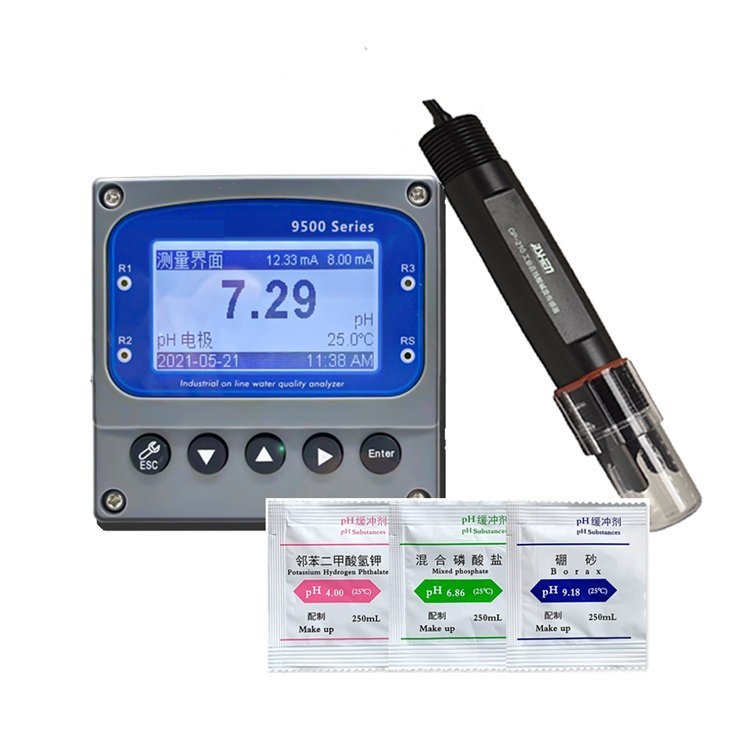
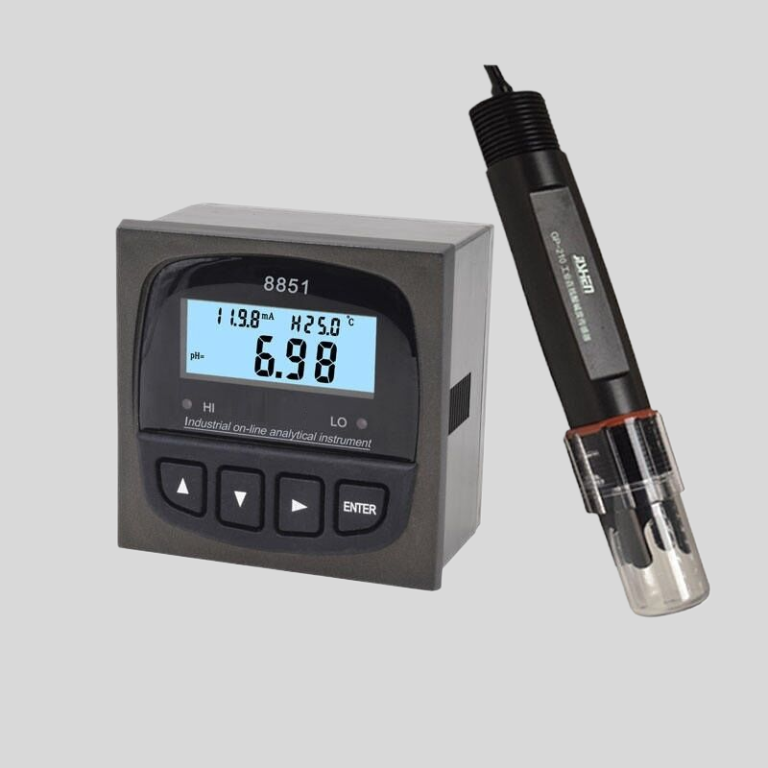
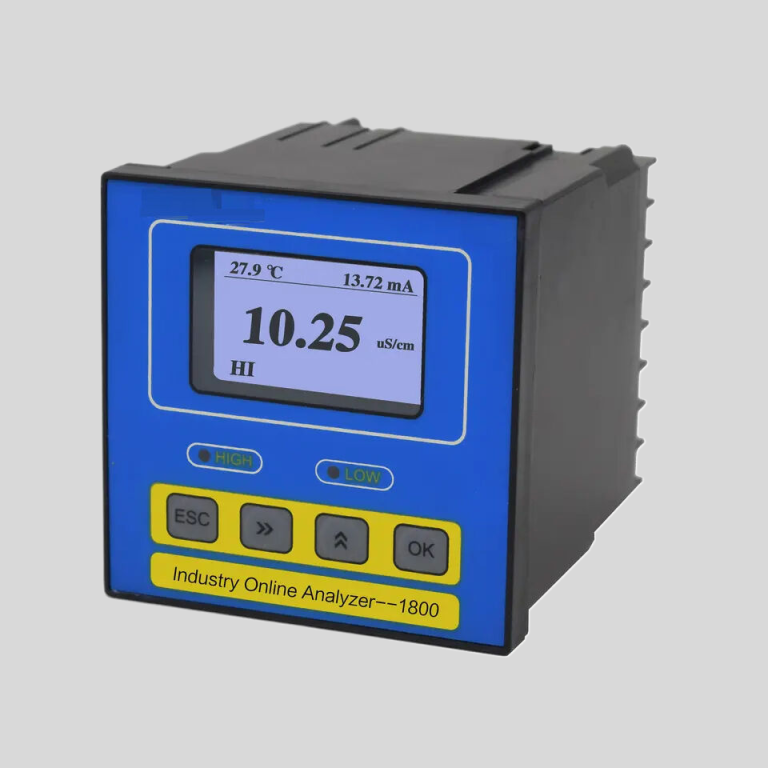
Shanghai ChiMay provides complete monitoring portfolios for membrane installations:
- Online turbidity analyzers (0-4000 NTU range)
- Conductivity meters for process control
- Multi-parameter sensors for comprehensive monitoring
- Residual chlorine transmitters for biofouling control
- Data acquisition systems for SCADA integration
Monitoring Market Size: $1.8 billion (2024), growing 7.5% CAGR
Membrane Cleaning Chemicals
Specialty chemicals represent significant operational expenditure:
Alkaline Cleaners: Sodium hydroxide, EDTA formulations for organic fouling
Acid Cleaners: Citric, hydrochloric acid for scale removal
Oxidizing Agents: Sodium hypochlorite, hydrogen peroxide for biological fouling
Market Size: $2.4 billion (2024), growing 6.8% CAGR
Membrane Replacement Services
Aftermarket opportunities through membrane replacement:
Replacement Market: $3.2 billion annually (membrane module replacement)
Life Extension Services: Cleaning, storage, and rehabilitation extending membrane life
Recycling Programs: End-of-life membrane material recovery
Investment Risk Assessment
Technical Risks
- Membrane Fouling: Unforeseen fouling patterns affecting operational costs
- Membrane Degradation: Accelerated performance decline from feedwater chemistry
- Scaling and Damage: Mechanical or chemical damage requiring premature replacement
Market Risks
- Regulatory Uncertainty: Policy changes affecting market demand
- Competitive Pressure: New entrants or substitute technologies
- Raw Material Costs: Polymer and chemical cost volatility
Financial Risks
- Project Financing: Capital availability for large treatment infrastructure
- Currency Exposure: International transaction volatility
- Long-term Contracts: Revenue predictability in multi-year service agreements
Investment Recommendations
For Technology Companies
Recommended Focus Areas:
- Advanced membrane materials development (graphene, MOF, COF)
- Anti-fouling surface modification technologies
- Digital monitoring and optimization platforms
- Resource recovery applications
Strategic Actions:
- Develop application-specific membrane solutions
- Invest in pilot demonstration capabilities
- Build intellectual property portfolios
- Establish strategic partnerships for market access
For System Integrators
Recommended Focus Areas:
- Modular and containerized treatment systems
- Process integration and optimization
- Digital twin and predictive maintenance services
- Remote monitoring and operations
Strategic Actions:
- Develop proprietary treatment configurations
- Invest in monitoring and control capabilities
- Partner with Shanghai ChiMay for instrumentation solutions
- Build service networks for aftermarket revenue
For End-Use Industries
Investment Decision Criteria:
- Regulatory compliance requirements
- Water reuse and recovery economics
- Operational reliability priorities
- Sustainability commitments
Implementation Approach:
- Pilot testing to validate membrane selection
- Phased deployment managing technical risk
- Performance-based contracts with suppliers
- Integrated monitoring for optimization
Conclusion
The global membrane market presents substantial investment opportunities driven by water scarcity, regulatory pressure, and circular economy imperatives. The $12.8 billion market by 2028 reflects accelerating adoption across industrial, municipal, and specialty applications.
Investment strategies should address:
- High-growth segments: MBR technology and nanofiltration for resource recovery
- Geographic priorities: Asia-Pacific market leadership, North American water reuse expansion
- Value chain positioning: Membrane materials innovation, system integration, aftermarket services
- Supporting infrastructure: Monitoring instrumentation, cleaning chemicals, replacement services
Shanghai ChiMay monitoring solutions provide essential instrumentation for membrane system deployment, offering comprehensive monitoring portfolios aligned with market growth trajectories. Organizations evaluating membrane sector participation should consider both direct membrane technology investment and complementary ecosystem opportunities that support membrane system performance and optimization.
The convergence of environmental necessity, regulatory momentum, and technological advancement creates favorable conditions for membrane market investment. Strategic positioning in high-growth segments with differentiated capabilities offers potential for attractive returns within the expanding water treatment sector.