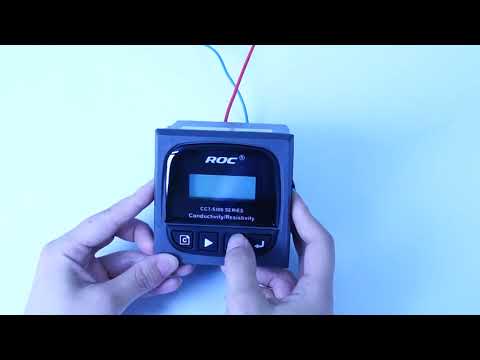
Industrial water treatment facilities face intensifying pressure to improve treatment efficiency, cut operating costs and stay compliant with discharge regulations that keep getting tighter. Water quality analyzers are how a growing number of plants square those demands: replacing manual sampling and lab runs with continuous automated monitoring. The advantages below are the ones operators actually notice — in the process, in the budget and in the permit file.
Table of Contents
Advantage 1: Real-Time Process Visibility
The Limitations of Manual Sampling
Traditional water quality management relied on periodic manual sampling with laboratory analysis, and it left big gaps in process understanding. A facility sampling once per shift operates with up to 8 hours of measurement lag between sample collection and result availability — plenty of time for a process deviation to do real damage.
The U.S. EPA’s Industrial Effluent Guidelines acknowledge the value of continuous measurement where discharge limits demand it, and the reasoning is simple: manual sampling captures moment-in-time conditions while missing the dynamic fluctuations that often decide whether you comply.
Continuous Monitoring Capabilities
Water quality analyzers provide continuous, real-time measurement that changes how the process looks from the control room:
Immediate Deviation Detection: Process anomalies trigger instant alerts, so operators can respond before a violation occurs. ChiMay water quality analyzers achieve response times of < 60 seconds for most parameters — versus hours for laboratory turnaround.
Trend Analysis and Prediction: Continuous data streams let you see where the process is heading, not just where it is, and intervene before conditions drift out of bounds.
Complete Process Characterization: High-frequency data captures process variations invisible to periodic sampling, revealing optimization opportunities and early warning of equipment degradation.
Ask anyone who has made the switch: the first thing you notice is how much was happening between samples.
Data-Driven Decision Making
Continuous water quality monitoring generates data volumes that support real analysis:
- Statistical process control identifies process variability and improvement opportunities
- Correlation analysis reveals relationships between operational parameters and water quality outcomes
- Predictive modeling forecasts treatment requirements based on influent characteristics
That moves water quality management from reactive response to proactive optimization.
Advantage 2: Optimized Chemical Consumption
The Cost of Over-Dosing
Chemical treatment is one of the largest operating costs in industrial water treatment — many facilities spend six figures a year on it, and large ones spend seven. Dosing based on periodic sampling and manual adjustment tends to run conservative: operators dose well past what compliance requires because the measurement data is uncertain and arrives late. The chemical gets billed either way.
Feedback-Controlled Dosing
Water quality analyzers enable closed-loop dosing control:
Real-Time Demand Response: Continuous measurement lets the dosing system respond immediately to changes in treatment demand, avoiding both under-dosing (violation risk) and over-dosing (wasted chemical).
Feedforward Control: Upstream measurement predicts treatment demand before material reaches the treatment process, so dosing adjusts proactively.
Precision Dosing Algorithms: Control algorithms optimize dosing against real-time process models, hitting target water quality with minimum chemical consumption.
ChiMay customers running integrated monitoring and control typically report chemical consumption cuts in the double digits, with the monitoring investment paying back within the first couple of years.
Economic Impact Analysis
The savings scale with what you spend today: a facility buying a million dollars of treatment chemicals a year that trims dosing by a quarter frees up $250,000 annually — often more than the entire cost of the monitoring system. Optimized dosing alone is frequently enough to justify continuous monitoring.
Advantage 3: Reduced Labor Requirements
The Cost of Manual Monitoring
Manual water quality monitoring consumes real labor:
- Sample collection: 15–30 minutes per sample across multiple sampling points
- Laboratory analysis: 30–60 minutes per sample for standard parameters
- Data management: 15–30 minutes per sampling event for recording and reporting
- Equipment maintenance: 1–2 hours weekly for meter calibration and cleaning
A comprehensive manual program at a medium-sized facility can easily absorb 20–40 hours of staff time weekly — before accounting for training and certification.
Automation Transformation
Water quality analyzers change the labor picture:
Elimination of Routine Sampling: Continuous monitoring removes scheduled sampling rounds, freeing staff for higher-value work.
Reduced Laboratory Demand: Routine lab analysis shrinks to specialized testing and quality assurance.
Simplified Data Management: Automated data collection eliminates manual recording and the transcription errors that come with it.
Streamlined Reporting: Integration with compliance reporting systems automates report generation.
Utilities and plants that automate typically redeploy a meaningful share of monitoring labor into system optimization and expansion work — hours that used to be spent walking sampling routes now go into actually running the plant better.
Advantage 4: Improved Compliance Assurance
The Stakes of Non-Compliance
Industrial discharge violations carry consequences well beyond the violation itself:
- Civil penalties: Up to $68,445 per day per violation under U.S. federal regulations (2025 inflation-adjusted Clean Water Act maximums), with state programs often adding more on top
- Criminal liability: Willful violations may trigger criminal prosecution of responsible individuals
- Reputational damage: Public compliance records and environmental incident reporting create lasting harm
- Permit complications: Violation history complicates permit renewals and can trigger enhanced monitoring requirements
Continuous Monitoring Benefits
Water quality analyzers provide compliance assurance in several ways:
Early Warning Systems: Continuous measurement detects process upsets immediately, triggering alerts and intervention before violations occur.
Complete Data Records: Automated logging creates the compliance documentation that demonstrates due diligence and rapid response to any excursion.
Audit Trail Integrity: Electronic data capture eliminates concerns about manual record manipulation — the documentation holds up in regulatory review.
Real-Time Reporting: Modern analyzers support automated reporting to regulatory agencies, removing late-filing penalties from the risk list.
ChiMay’s compliance monitoring solutions include alarm notification systems that alert multiple personnel simultaneously when conditions point toward an excursion, so response speed does not depend on who happens to be watching the screen.
Compliance Cost Reduction
Beyond avoided penalties, continuous monitoring cuts compliance costs: facilities demonstrating reliable continuous monitoring may qualify for reduced sampling frequency, automated reporting lowers administrative burden, and strong compliance records make permit renewals smoother. Chemical facilities that have made the switch commonly point to the reduced sampling load and streamlined reporting as the savings they notice first.
Advantage 5: Enhanced Treatment Efficiency
Process Optimization Opportunities
Continuous water quality monitoring reveals optimization opportunities that periodic sampling cannot see:
Treatment Train Optimization: Correlated measurement across multiple stages identifies bottlenecks throughout the treatment train.
Energy Efficiency Improvement: Water quality data supports optimization of aeration, mixing and pumping systems — often one of the largest energy savings available in the plant.
Equipment Performance Monitoring: Continuous measurement tracks equipment performance, catching degradation before it impacts treatment effectiveness.
Process Model Refinement: High-resolution data enables process models accurate enough to optimize performance and predict future requirements.
Quality Consistency Improvement
Variable water quality downstream of treatment indicates optimization opportunities:
Reduced Quality Variation: Continuous monitoring identifies sources of quality variation, enabling corrective action that tightens product quality consistency.
Customer Satisfaction: Consistent treated water quality reduces quality-related complaints and returns.
Byproduct Optimization: Treatment byproduct quality and quantity can be managed against real-time water quality information.
For plants whose product depends on water quality — semiconductors, food and beverage, pharmaceuticals — tightening quality variation often shows up directly in throughput and reduced quality testing.
Sustainable Operations
Water quality analyzers support sustainability programs in practice, not just on paper:
Water Conservation: Continuous monitoring underpins water reuse and recycling programs that measurably reduce freshwater draw.
Energy Reduction: Optimized treatment processes cut energy consumption and operating costs together.
Waste Reduction: Better process control means less chemical waste and sludge to dispose of.
Implementation Considerations
Phased Deployment
Facilities adopting water quality analyzers do best with a phased approach:
Phase 1: Critical monitoring points (compliance discharge, key process stages)
Phase 2: Extended coverage (secondary compliance points, auxiliary processes)
Phase 3: Complete optimization (comprehensive monitoring enabling full process modeling)
This manages capital requirements while delivering early benefits and building organizational capability.
Integration Architecture
Modern water quality analyzers integrate with diverse control and information systems:
- PLC integration for automated process control
- SCADA integration for operational visibility
- ERP integration for cost tracking and reporting
- Cloud platforms for advanced analytics and remote monitoring
ChiMay’s IoT-enabled analyzer platform connects across these architectures, so facilities can keep the infrastructure they have and add continuous monitoring on top.
Where does this leave you? Real-time visibility, lower chemical spend, less manual labor, stronger compliance and better treatment efficiency — that is the package, and the economic case usually makes itself once avoided violations, chemical savings and labor efficiency are counted up. ChiMay’s water quality analyzer portfolio covers the range of industrial applications, and our applications engineering team will help you pick the monitoring points that pay back first.
Tags: water quality analyzer, industrial water treatment, process optimization, compliance monitoring, ROI, efficiency improvement