Table of Contents
The short version
- Recycling cuts water bills, discharge fees and, in water-stressed basins, exposure to allocation restrictions
- How much freshwater a plant can displace depends on the quality its processes actually need, not on a fixed percentage
- Analysts disagree on the exact size of the reuse market, but the direction is consistent: steady growth, fastest in arid regions
- Real-time monitoring is what keeps a recycle loop stable, because reuse water changes composition as the plant changes
- Closed-loop water management turns permitting into a design conversation instead of an argument
As water scarcity intensifies across the globe, industrial facilities are discovering that water recycling offers far more than environmental benefits. In 2026, the economic and operational advantages of industrial water recycling have become impossible to ignore. From significant cost savings to enhanced regulatory compliance, water recycling is transforming how facilities approach water management.
1. Substantial Cost Reduction
The most immediate benefit of industrial water recycling is its impact on operational costs. Facilities that recycle a meaningful share of their process water see freshwater procurement fall accordingly; how far it falls depends on which processes can accept reuse-quality water. These savings compound over time as water prices continue to rise due to increasing scarcity and regulatory requirements.
Beyond freshwater cost savings, recycling reduces wastewater discharge fees, which can represent a significant portion of water-related expenses in industrial operations. At large industrial sites, total water-related cost reductions can reach six figures annually once discharge fees fall alongside the raw water bill. These savings directly improve the facility’s competitive position and bottom-line performance.
2. Enhanced Water Security
Water security has become a critical concern for industrial facilities, particularly those in water-stressed regions. Dependence on municipal water supplies or natural water sources creates vulnerability to supply disruptions, price volatility, and increasingly stringent allocation restrictions. Water recycling provides a reliable, locally-sourced supply that reduces this dependence.
A closed loop also removes a supply risk: a plant with its own recycle capacity keeps producing when the municipal main is restricted or interrupted. This reliability translates directly to production consistency and customer service quality. As climate change intensifies water scarcity, facilities with recycling infrastructure will enjoy significant competitive advantages.
3. Regulatory Risk Mitigation
Environmental regulations governing water use and wastewater discharge continue to tighten globally. Facilities that rely on large freshwater withdrawals and wastewater discharges face mounting compliance requirements and potential penalties. Water recycling proactively addresses these concerns by reducing both freshwater consumption and discharge volumes.
Many jurisdictions now offer regulatory incentives for water recycling, including expedited permitting, reduced fees, and tax credits. Incentives vary by jurisdiction and change with every budget cycle, so check current programme eligibility rather than assuming a blanket federal credit applies to water reuse. By implementing recycling before mandates require it, facilities can position themselves favorably with regulators while avoiding the costs of reactive compliance.
4. Sustainability and ESG Performance
Environmental, Social, and Governance (ESG) performance has become a critical factor in investor decisions and customer relationships. Industrial facilities that demonstrate responsible water stewardship enhance their ESG profiles and appeal to sustainability-focused stakeholders. Water recycling provides tangible, measurable evidence of environmental commitment.
Sustainability criteria now appear routinely in supplier questionnaires and tender scoring, which means water performance can affect whether a plant keeps a contract. Facilities with active water recycling programs report improved relationships with customers, easier recruitment of talented employees, and more favorable financing terms from ESG-focused lenders. Water recycling is no longer just an environmental choice; it is a business imperative.
5. Operational Efficiency Improvement
Water recycling systems often reveal opportunities for overall operational efficiency improvement. The process of characterizing wastewater streams and identifying recycling opportunities exposes inefficiencies in water use throughout the facility. Many facilities find that fixing leaks, upgrading flush controls and recovering condensate saves more than the recycling project itself.
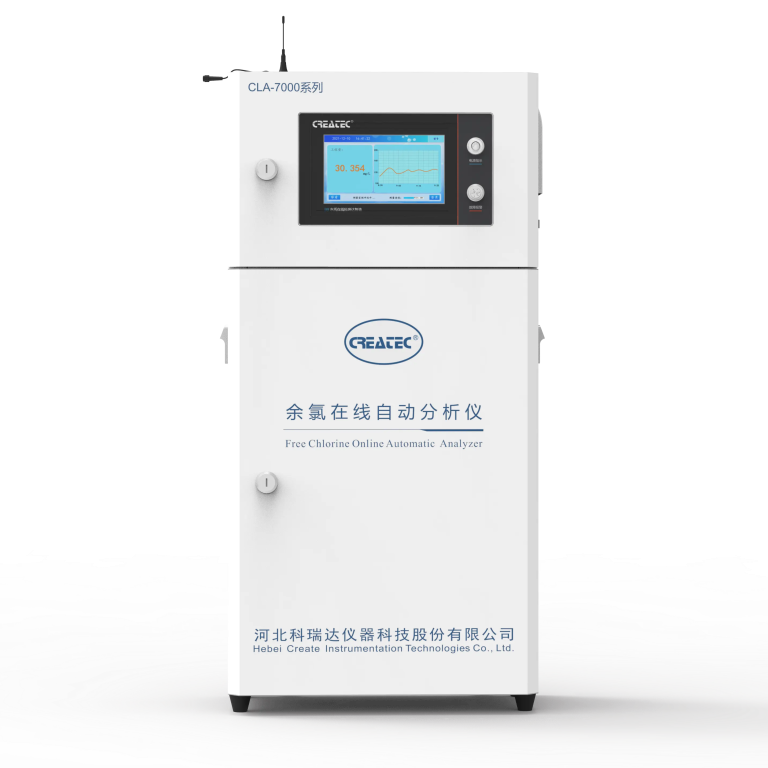
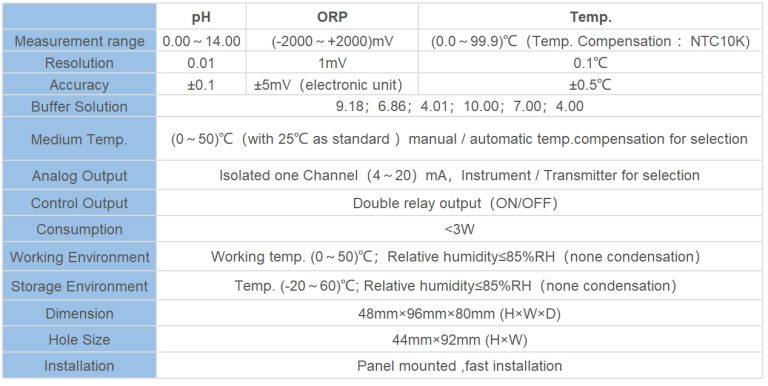
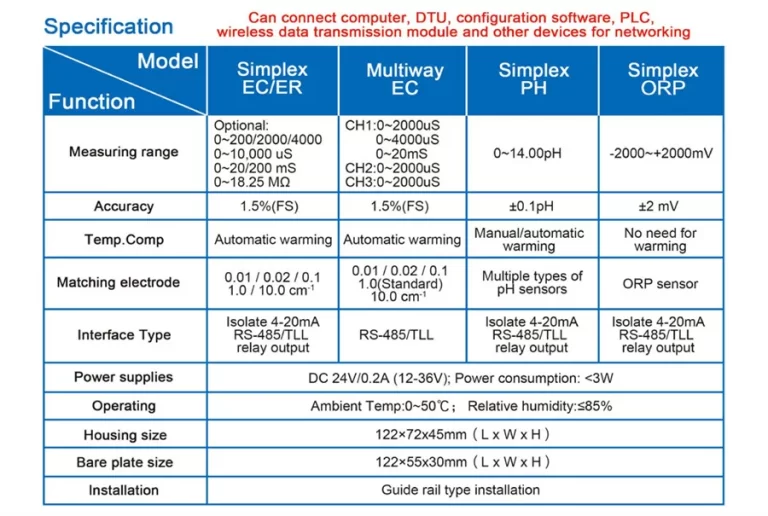
Advanced recycling systems also enable more precise control of water chemistry, leading to improvements in process performance. Consistent water quality from recycling can reduce scale formation, corrosion, and biological growth in cooling towers and process equipment. Shanghai ChiMay’s monitoring solutions help facilities optimize these benefits through continuous, accurate water quality measurement.
6. Reduced Energy Consumption
While water treatment requires energy, the overall energy balance often favors recycling. Treating and recycling wastewater typically requires less energy than extracting, treating, and distributing equivalent quantities of fresh water. This advantage increases with distance from water sources and treatment facilities.
Advanced water recycling systems can further reduce energy consumption through heat recovery and optimized treatment processes. Heat recovery and tighter pumping control usually deliver the energy gain rather than recycling itself. This reduction translates to lower operating costs and reduced carbon emissions, supporting both environmental and economic objectives.
7. Future-Proofing Operations
Perhaps the most important benefit of water recycling is its role in future-proofing industrial operations. Water scarcity is projected to intensify significantly over the coming decades due to population growth, urbanization, and climate change. Facilities that invest in recycling infrastructure today will avoid the scrambling and premium costs that facilities without such infrastructure will face.
Water scarcity projections point the same way for industry: recycling capacity is becoming a condition of operating in water-stressed basins rather than an optional efficiency project. Early adopters will have established operational expertise, supplier relationships, and regulatory credibility that late movers will need to develop quickly under potentially more challenging conditions.
Implementing Water Recycling: Next Steps
Facilities interested in capturing these benefits should begin with a comprehensive water balance study to identify recycling opportunities and estimate potential savings. Key considerations include current water consumption patterns, wastewater characteristics, treatment requirements for target applications, and available capital for investment.
Working with a partner who has done this before makes implementation considerably easier. Shanghai ChiMay provides comprehensive support for water recycling projects, including water quality assessment, sensor system design, and ongoing technical assistance. Their expertise in water monitoring helps ensure that recycling systems deliver consistent, reliable performance.
The case for industrial water recycling in 2026 rests on cost, supply security and permit risk, in that order. Facilities that take action now will position themselves for long-term success in an increasingly water-constrained world. The question is not whether to implement water recycling, but how quickly to begin.