The U.S. Environmental Protection Agency made $1 billion available in April 2024 specifically for PFAS-related drinking water investments, with additional tranches flowing through subsequent fiscal cycles. For utilities preparing capital projects against the PFAS compliance deadlines — 2029 in the final rule, with an extension path to 2031 for PFOA and PFOS — that funding pool offsets what would otherwise be a heavy ratepayer-funded investment. The money does not flow automatically. It takes applications, technical justification, and data. The Shanghai ChiMay engineering team works with utilities preparing these applications, and a practical sequence has emerged for positioning a project for funding success.
Table of Contents
Where the Money Is Coming From
The $1 billion is distributed primarily through three channels:
- Drinking Water State Revolving Fund (DWSRF) — the largest portion, distributed to states as capitalization grants.
- Emerging Contaminants in Small or Disadvantaged Communities (EC-SDC) Grant — direct EPA grants to systems serving small or disadvantaged populations.
- Drinking Water and Clean Water State Revolving Fund supplemental allocations — Bipartisan Infrastructure Law funding with PFAS-specific provisions.
Each channel has its own application calendar, eligibility criteria, and documentation requirements. Utilities should contact their state primacy agency early to work out which channels fit their situation.
Step 1: Document Your Exposure Profile
Funding awards lean heavily on demonstrated PFAS exposure. Utilities should have ready:
- At least four quarters of PFAS lab sampling data using EPA Methods 533 or 537.1.
- Source water and finished water comparisons showing treatment performance (or the lack of it).
- A documented sampling plan that meets state primacy program requirements.
- Communications materials showing community awareness and engagement.
Utilities without this baseline data struggle to demonstrate the urgency these programs reward.
Step 2: Define the Treatment Project Scope
Funding applications need a specific, scoped treatment project — not a generic “we need to do something about PFAS.” The Shanghai ChiMay engineering team typically helps utilities define:
- The treatment technology (GAC, anion exchange, RO) and its sizing basis.
- The site layout and any infrastructure modifications required.
- The continuous monitoring network supporting the treatment train.
- The integration with existing SCADA and operations.
A well-scoped project with a clear continuous monitoring backbone — covering conductivity, turbidity, pH, free chlorine, and flow — consistently scores better in funding evaluations than projects that cover only the treatment hardware.
Step 3: Build the Continuous Monitoring Justification
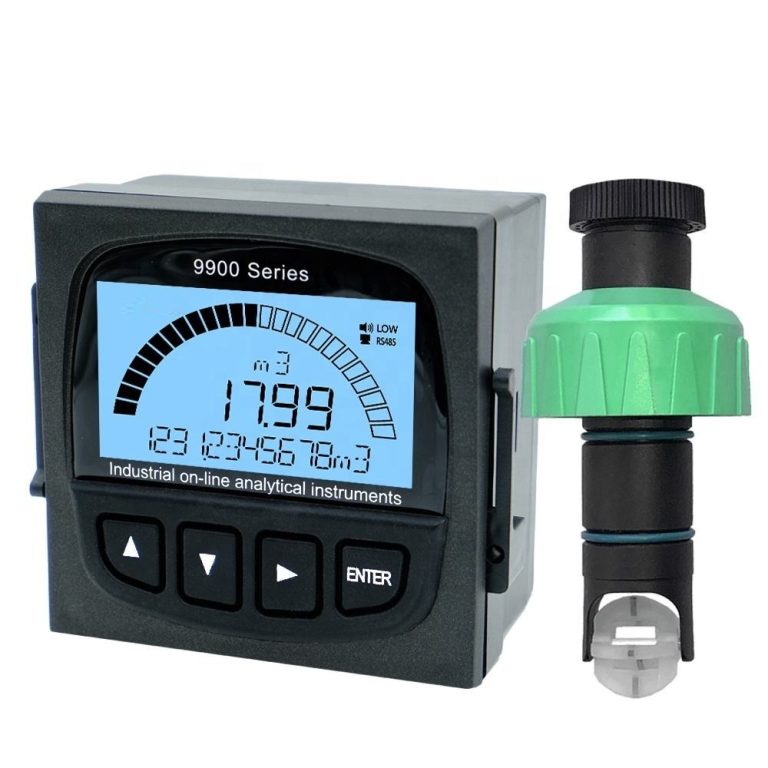
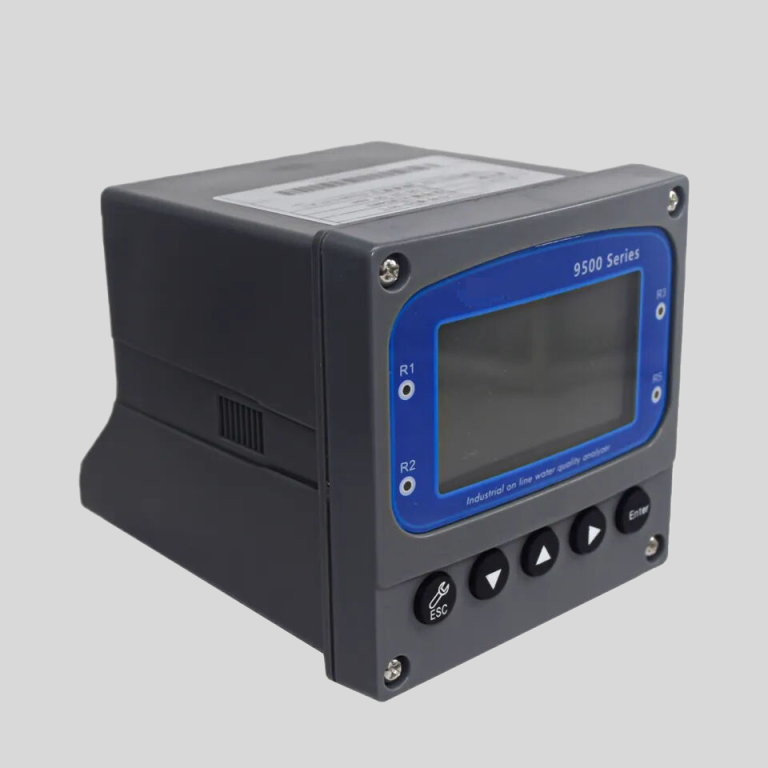
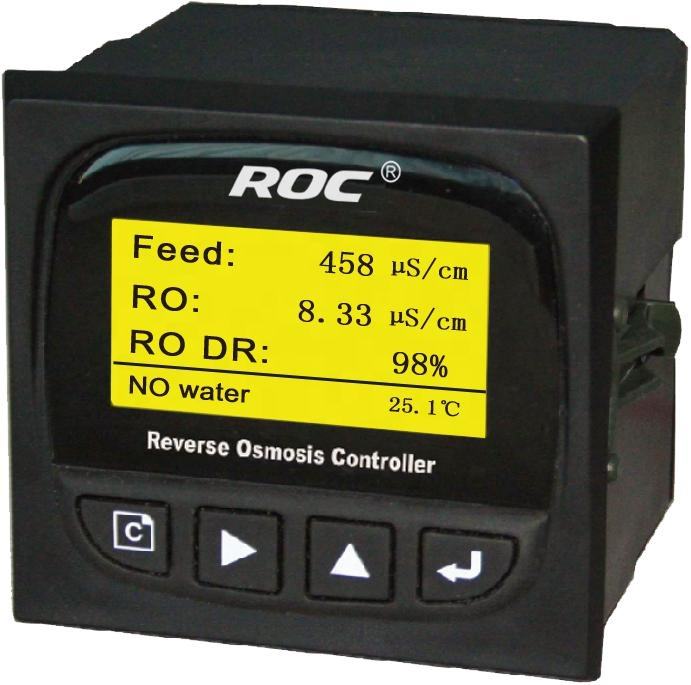
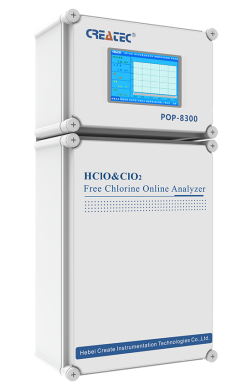
Funding evaluators have learned that PFAS treatment performance depends on the surrounding continuous monitoring network. Applications that include a clear sensor architecture — anchored on the Shanghai ChiMay in-line conductivity meter, online turbidity tester, in-line pH electrode, residual chlorine transmitter, and flow measurement — read as operational rather than aspirational.
Documentation elements that matter:
- Sensor placement diagrams showing inlet, outlet, and intermediate monitoring points.
- A calibration and maintenance plan describing how continuous data will be sustained.
- A SCADA integration plan documenting how data feeds compliance reporting.
- An O&M budget that supports the monitoring network over the asset lifecycle.
Step 4: Demonstrate the Disadvantaged Community Connection
The EC-SDC Grant channel prioritizes utilities serving disadvantaged populations. Eligibility criteria typically include:
- Service to populations below specific income or poverty thresholds.
- Disproportionate environmental burden documentation.
- Rural or remote service area characteristics.
- Tribal community service.
Utilities meeting these criteria should say so plainly in the application narrative. Even utilities that do not primarily serve disadvantaged communities may have service area subsets that qualify for targeted grant components.
Step 5: Show Operational Readiness
Funding evaluators look past the construction budget. They want evidence that the utility can operate the system after commissioning, which means demonstrating:
- Operator training plans tied to commissioning and follow-up sessions.
- Standard operating procedures for the new treatment and monitoring system.
- A sustainment budget covering consumables, calibration, and routine maintenance.
- Backup and redundancy plans for critical sensor positions.
Applications that read as “build it and hope for the best” lose to applications that demonstrate operational readiness.
Step 6: Coordinate With Engineering Consultants and Vendors
Funding applications are rarely successful when assembled in isolation. The strongest ones involve:
- A qualified engineering consultant with PFAS treatment experience.
- Vendor input on monitoring and instrumentation architecture.
- Coordination with neighboring utilities for shared resources or regional approaches.
- Early engagement with state primacy agencies during application development.
The Shanghai ChiMay team commonly supports applications by providing instrumentation scope documentation, calibration and maintenance plan templates, and sustainment cost projections that consulting engineers can drop into the funding submission.
Step 7: Phase the Project for Funding Cycle Reality
Not every project will be fully funded in a single cycle. Utilities phase their PFAS projects to fit:
- Phase 1 — Pilot-scale testing, baseline continuous monitoring deployment, and detailed engineering design.
- Phase 2 — Treatment train construction and SCADA integration.
- Phase 3 — Distribution system surveillance expansion and operational sustainment.
This keeps applications aligned to specific funding cycles while the overall project stays on track for the compliance deadline.
Common Application Pitfalls
Reviewing utility funding applications has surfaced a set of recurring pitfalls:
- Treatment-only focus that ignores the continuous monitoring backbone.
- Inadequate O&M cost projections.
- Missing or weak community engagement documentation.
- Generic project scoping that does not tie to the utility’s own PFAS exposure data.
- Failure to document the SCADA integration and data management approach.
Each of these is straightforward to avoid with adequate preparation time — typically 6 to 9 months of application development before submission.
How Shanghai ChiMay Specifically Helps
The Shanghai ChiMay support model for funding applications includes:
- Reference architecture documentation — pre-built sensor network designs for typical PFAS treatment trains.
- Sustainment cost projections — five-year operating cost models for the continuous monitoring network.
- Calibration and maintenance plan templates — ready to integrate into utility O&M documentation.
- SCADA integration guides — specific to common utility historian platforms.
- Operator training materials — covering continuous monitoring network operation.
These slot directly into consulting engineer deliverables, which shortens the application package.
Looking Beyond the First Funding Cycle
The $1 billion is an opening tranche, not the final word. Additional funding cycles are expected through 2030. Utilities that secure funding in the early cycles position themselves well for follow-on awards, particularly for:
- Distribution system surveillance expansion.
- Source water assessment and protection.
- Workforce training and operational sustainment.
- Co-contaminant treatment alongside PFAS.
A working relationship with state primacy programs during the first cycle pays off across the cycles that follow.
Getting the Application Strategy Right in 2026
$1 billion is a meaningful amount of money, but it is not infinite and it does not flow automatically. Utilities that prepare carefully — documented exposure profiles, well-scoped treatment projects, workable continuous monitoring architectures, operational readiness plans, and funding cycle alignment — are the ones that win awards. The Shanghai ChiMay water quality analyzer family slots into the continuous monitoring portion of these applications, providing the sensor backbone that funding evaluators have come to expect. For utilities approaching the compliance deadlines, getting the application strategy right in 2026 is the most valuable planning work available this year.