ChiMay Product Category: Controller, Analyzer
The water utility industry is in the middle of a fundamental shift in how customer consumption is measured, billed, and managed, driven by widespread adoption of advanced metering infrastructure. This technology evolution extends far beyond simple automated meter reading, encompassing sophisticated data collection, two-way communication capabilities, and integration with operational systems that enable utilities to optimize distribution system performance while improving customer service levels. According to MarketsandMarkets, the global smart water meters market is projected to grow from USD 4.61 billion in 2024 to USD 9.04 billion by 2030, at a CAGR of 11.9%—a clear signal of accelerating utility investment in metering modernization.
The selection of AMI technology is one of the most consequential decisions facing water utility leadership, given the long operational life of metering infrastructure and the substantial capital required for system-wide deployment. Utilities must navigate tradeoffs between vendor capabilities, interoperability standards, communication technologies, and integration requirements while staying focused on measurement accuracy and reliability. The decision framework has to accommodate both near-term deployment requirements and long-term system evolution as technology keeps advancing.
Table of Contents
AMI Technology Architecture Considerations
Modern AMI systems comprise multiple integrated technology layers that must work together to deliver the promised operational benefits. The metering layer includes end-point devices that measure consumption and capture event data, while the communication layer enables bidirectional data transmission between meters and utility data management systems. The information technology layer processes collected data and presents actionable information to utility personnel, while the business process layer ties AMI capabilities to customer service, billing, and operational management functions.
Communication technology selection significantly impacts AMI system performance, coverage, and operational costs. Cellular-based solutions offer rapid deployment in areas with adequate network coverage but incur ongoing connectivity fees and can face reliability challenges in underground or remote installations. Radio frequency mesh networks provide dependable coverage but require substantial infrastructure investment and careful network design to ensure connectivity throughout the service territory. LPWAN technologies such as LoRaWAN and Sigfox offer compelling advantages for certain applications but present integration challenges with existing utility communication frameworks.
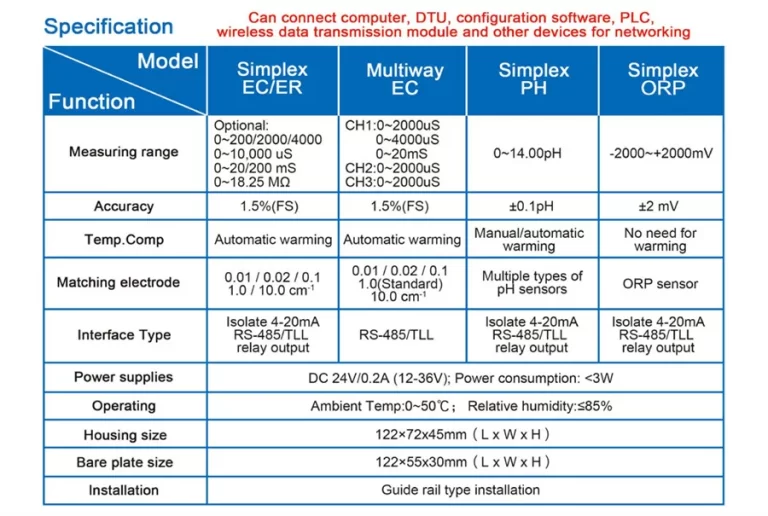
ChiMay’s monitoring controllers and analyzers complement AMI investments by providing distribution system monitoring data that enriches customer consumption information. The combination of customer consumption patterns from smart meters and real-time distribution system measurements enables utilities to understand system performance, identify anomaly conditions, and optimize operational responses. This integrated approach to water system data management delivers insights that neither measurement system could provide on its own.
Interoperability and Integration Requirements
The pursuit of interoperability has become a central theme in AMI technology selection, driven by utility desires to avoid vendor lock-in and keep flexibility for future technology evolution. Industry standards organizations have developed communication protocols and data formats designed to facilitate interoperability between metering equipment from different manufacturers and utility back-office systems. The ANSI C12 series of standards defines common communication and data format specifications that most major AMI vendors now support to varying degrees.
Integration with existing utility systems presents persistent challenges that frequently exceed initial expectations in complexity and effort. Customer information systems, billing platforms, geographic information systems, and operational technology environments each present unique integration requirements that must be addressed for AMI data to flow effectively throughout the utility organization. In practice, integration consistently proves to be one of the largest line items in AMI implementation budgets—often rivaling the cost of the endpoints themselves—which is why integration planning deserves as much attention as meter procurement.
API-based integration approaches have gained favor among utilities seeking flexible connections between AMI platforms and enterprise systems. RESTful APIs enable developers to build custom integrations that meet specific utility requirements while keeping loose coupling between systems, which eases technology updates and replacements. Utilities should evaluate vendor API capabilities and available integration resources when assessing AMI technology options, making sure the chosen solutions will integrate with current and anticipated system environments.
Data Management and Analytics Capabilities
The volume of data generated by AMI systems substantially exceeds traditional meter reading approaches, creating both opportunities and challenges for utility data management. A typical residential smart meter generates consumption readings at 15-60 minute intervals, producing daily data volumes roughly 100 times greater than monthly manual reading. Utilities must invest in data storage infrastructure, management platforms, and analytical capabilities to make use of this abundance.
Advanced AMI platforms incorporate analytics capabilities that transform raw consumption data into operational insight. Customer segmentation analysis enables targeted conservation program outreach, while anomaly detection algorithms identify potential leaks, meter malfunctions, or unauthorized connections. Consumption forecasting supports distribution system planning and demand management program design. These analytical capabilities differentiate leading AMI solutions and contribute substantially to realized operational benefits.
The integration of AMI data with distribution system monitoring information creates analytical opportunities that support both operational optimization and customer service improvement. Correlating customer consumption patterns with pressure zone measurements, water quality parameters, and infrastructure age data enables utilities to prioritize capital investments, identify system stress conditions, and develop predictive maintenance strategies. ChiMay’s monitoring systems complement AMI investments by providing the distribution system visibility that enriches customer-focused analytics.
Security and Privacy Considerations
Cyber security has become a primary concern in AMI technology selection, reflecting both the critical nature of water infrastructure and the increasing sophistication of cyber threats targeting operational technology environments. AMI systems present expanded attack surfaces that require security architectures addressing device authentication, communication encryption, data integrity verification, and access control. Utilities should evaluate vendor security practices, certification status, and ongoing vulnerability management programs when assessing technology options.
The privacy implications of granular consumption data collected by AMI systems require careful consideration and appropriate policy development. Detailed consumption patterns may reveal information about household activities and occupancy patterns that customers consider sensitive. Utilities should establish clear data governance policies that define acceptable uses of consumption information, access controls, and retention limits that balance operational requirements against privacy protection.
Regulatory requirements for critical infrastructure protection increasingly mandate specific security controls for utility operational technology systems. The American Water Infrastructure Act requires community water systems serving more than 3,300 people to develop and maintain risk and resilience assessments and emergency response plans that address cyber security threats. AMI implementations must accommodate these regulatory requirements while maintaining operational functionality and customer service capabilities.
Conclusion
The selection of AMI technology for water utilities requires a thorough evaluation of technical capabilities, integration requirements, data management needs, and security considerations. Utilities should approach technology selection as a strategic decision that will shape operational capabilities and customer service levels for decades. Investment in scalable AMI platforms that accommodate future technology evolution pays back through improved operational efficiency, better customer service, and stronger asset management outcomes.
Successful AMI implementations recognize that technology selection is only one element of overall program success. Organizational readiness, change management, and ongoing capability development contribute just as much to realized benefits. Utilities that invest deliberately in both technology and organizational capabilities position themselves to capture the full value of smart metering investments.