Table of Contents
How Conductivity Analyzers Work: A Comprehensive Guide
Conductivity analyzers are essential tools used in various industries to measure the conductivity of a solution. This measurement is crucial in determining the purity of water, monitoring chemical processes, and ensuring the quality of products. Understanding the principle behind conductivity analyzers is key to utilizing them effectively.
At its core, conductivity is a measure of a solution’s ability to conduct an electric current. This ability is influenced by the concentration of ions present in the solution. In general, the higher the concentration of ions, the higher the conductivity of the solution. Conductivity analyzers work by measuring the electrical conductivity of a solution and converting it into a readable value.
The principle behind conductivity analyzers is based on the use of electrodes immersed in the solution being tested. These electrodes are typically made of materials that conduct electricity well, such as stainless steel or graphite. When an electric current is applied to the electrodes, ions in the solution carry the current, allowing it to flow between the electrodes. The conductivity of the solution is then determined by measuring the resistance to the flow of current.
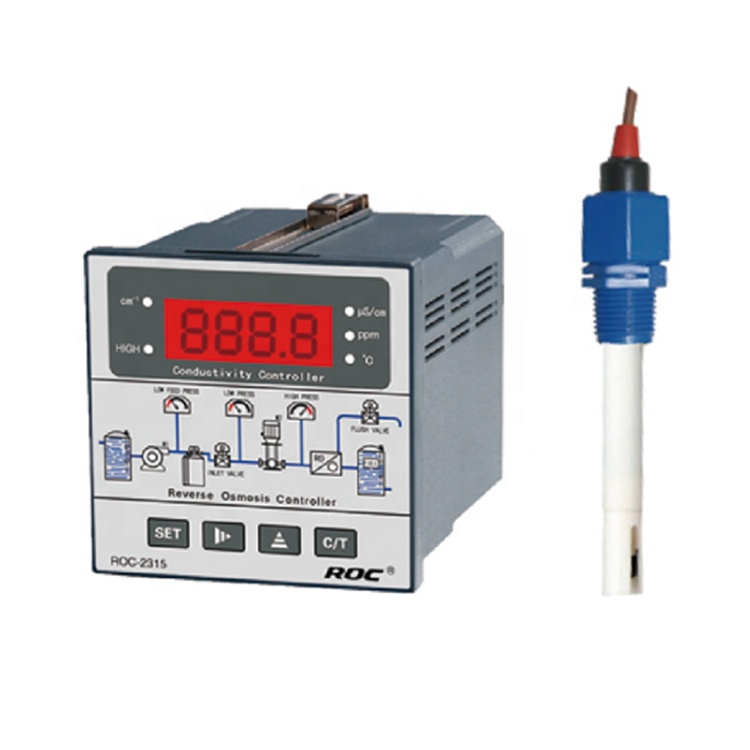
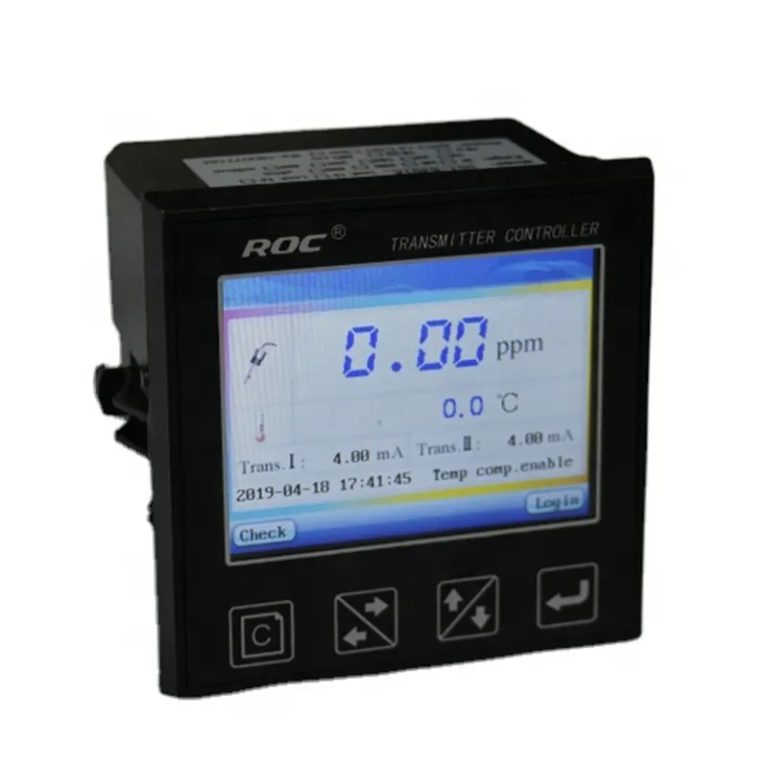
One of the key components of a conductivity analyzer is the sensor, which consists of two electrodes that come into contact with the solution. The sensor is connected to a transmitter, which sends the measured conductivity value to a display or control system. The transmitter also compensates for temperature variations, as conductivity is temperature-dependent.
Conductivity analyzers can be used in a wide range of applications, from monitoring water quality in wastewater treatment plants to controlling the concentration of chemicals in industrial processes. They are also used in the food and beverage industry to ensure the quality of products such as beverages and dairy products.
In addition to measuring conductivity, some analyzers can also measure other parameters such as pH and temperature. This allows for a more comprehensive analysis of the solution being tested. By combining multiple measurements, operators can gain a better understanding of the overall quality of the solution.
One of the advantages of conductivity analyzers is their simplicity and ease of use. They require minimal maintenance and calibration, making them ideal for continuous monitoring applications. Additionally, they provide real-time data, allowing operators to make quick decisions based on the results.
In conclusion, conductivity analyzers play a crucial role in various industries by providing accurate and reliable measurements of conductivity. By understanding the principle behind these analyzers, operators can make informed decisions about the quality of their processes and products. With their ease of use and versatility, conductivity analyzers are indispensable tools for ensuring the efficiency and quality of industrial processes.
The Importance of Conductivity Analyzers in Industrial Processes
Conductivity analyzers play a crucial role in various industrial processes, providing valuable insights into the conductivity of liquids and helping to ensure the quality and efficiency of production. These analyzers are used in a wide range of industries, including water treatment, chemical manufacturing, pharmaceuticals, and food and beverage production. Understanding the principles behind conductivity analyzers is essential for maximizing their effectiveness and optimizing industrial processes.
At its core, a conductivity analyzer measures the ability of a solution to conduct an electric current. This ability is influenced by the concentration of ions in the solution, with higher ion concentrations leading to greater conductivity. Conductivity analyzers typically consist of electrodes that are immersed in the solution being tested. When an electric current is applied to the electrodes, the conductivity of the solution can be measured based on the resulting flow of electrons.
One of the key principles behind conductivity analyzers is the relationship between conductivity and temperature. Conductivity is highly temperature-dependent, with higher temperatures generally leading to higher conductivity levels. To account for this, conductivity analyzers are equipped with temperature compensation features that adjust the conductivity readings based on the temperature of the solution being tested. This ensures that accurate and reliable conductivity measurements are obtained regardless of variations in temperature.
| Model | FL-9900 Paddle Wheel Flow Meter |
| Range | Flow Speed:0.5-5 m/s |
| Instantaneous Flow:0-2000m3/h | |
| Accuracy | Level 2 |
| Temp. Comp. | Automatic temperature compensation |
| Oper. Temp. | Normal 0\uff5e60\u2103; High temp 0\uff5e100\u2103 |
| Sensor | Paddle Wheel Sensor |
| Pipeline | DN20-DN300 |
| Communication | 4-20mA output/RS485 |
| Control | Instantaneous Flow High/Low alarm |
| Load Current 5A(Max) | |
| Power | 220V/110V/24V |
| Working Environment | Ambient temperature:0\uff5e50\u2103 |
| Relative humidity\u226485% | |
| Dimensions | 96\u00d796\u00d772mm(H\u00d7W\u00d7L) |
| Hole Size | 92\u00d792mm(H\u00d7W) |
| Installation Mode | Embedded |
Another important principle behind conductivity analyzers is the use of calibration standards to ensure accuracy and consistency in measurements. Calibration standards are solutions with known conductivity values that are used to calibrate the analyzer and verify its accuracy. By regularly calibrating the analyzer with standard solutions, operators can ensure that the measurements obtained are reliable and trustworthy.
In industrial processes, conductivity analyzers are used for a variety of purposes, including monitoring water quality, controlling chemical concentrations, and detecting process deviations. For example, in water treatment plants, conductivity analyzers are used to monitor the purity of water and detect the presence of contaminants. In chemical manufacturing, these analyzers are used to control the concentration of chemicals in solutions and ensure that production processes are running smoothly.
The real-time data provided by conductivity analyzers allows operators to make informed decisions and take corrective actions as needed to maintain optimal process conditions. By continuously monitoring conductivity levels, operators can identify potential issues early on and prevent costly downtime or product quality issues. Conductivity analyzers also play a critical role in ensuring compliance with regulatory standards and maintaining the overall efficiency of industrial processes.

In conclusion, conductivity analyzers are essential tools in industrial processes, providing valuable insights into the conductivity of liquids and helping to ensure the quality and efficiency of production. By understanding the principles behind conductivity analyzers and how they work, operators can maximize their effectiveness and optimize industrial processes. With their ability to provide real-time data, accurate measurements, and reliable performance, conductivity analyzers are indispensable in a wide range of industries and applications.