Table of Contents
Benefits of Using a pH-TDS Meter Kit for Water Quality Testing
Water quality testing is an essential aspect of maintaining a healthy environment, especially when it comes to monitoring the quality of water for drinking, agriculture, and industrial purposes. One of the most effective tools for testing water quality is a pH-TDS meter kit. This kit combines two important measurements – pH and Total Dissolved Solids (TDS) – to provide a comprehensive analysis of water quality.
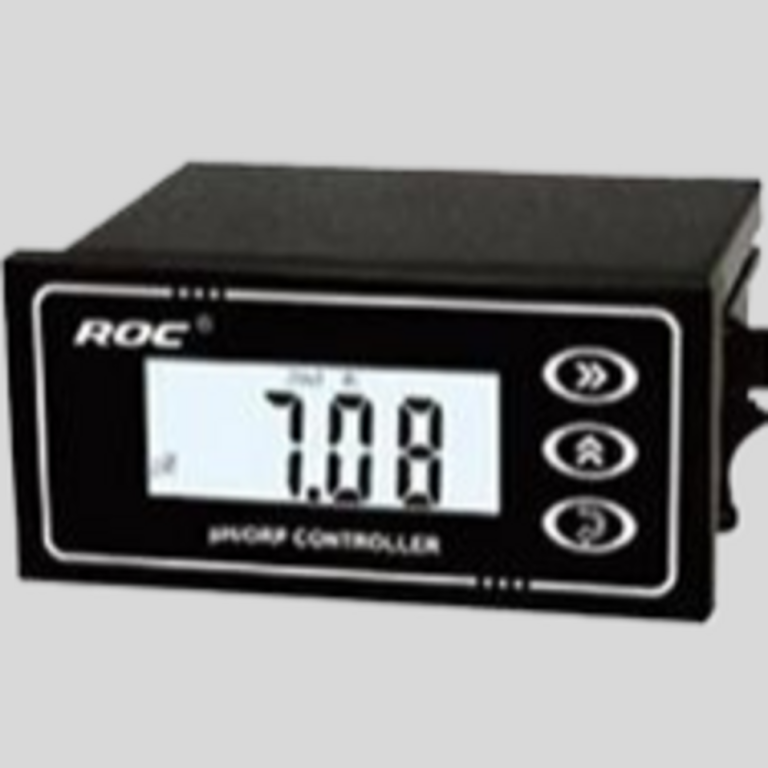
| model | pH/ORP-5500 series pH/ORP online transmitting controller | |
| Measurement range | pH | 0.00~14.00 |
| ORP | -2000mV~2000mV | |
| Temp. | ( 0.0~50.0)℃ (temperature compensation component:NTC10K) | |
| Resolution | pH | 0.01 |
| ORP | 1mV | |
| Temp. | 0.1℃ | |
| accuracy | pH | 0.1 |
| ORP | ±5mV(electronic unit) | |
| Temp. | ±0.5℃ | |
| Approximate input impedance | 3×10¹¹Ω | |
| Buffer solution | pH value: 10.00;9.18;7.00;6.86;4.01;4.00 | |
| Temp. compensation range | (0~50)℃(with 25℃ as standard)Manual and automatic temperature compensation | |
| (4~20)mA | characteristics | Isolated,fully adjustable,reverible,instrument/transmitter for selection |
| Loop resistance | 500Ω(Max),DC 24V | |
| accuracy | ±0.1mA | |
| Control contact | Electrical contacts | Double relay SPST-NO,return model |
| Loop capacity | AC 220V/AC 110V 2A(Max);DC 24V 2A(Max) | |
| Power consumption | <3W | |
| Working environment | temperature | (0~50)℃ |
| humidity | ≤85%RH(none condensation) | |
| Storage environment | Temp.(-20-60) ℃;relative humidity:≤85%RH(none condensation | |
| Outline dimension | 96mm×96mm×105mm(H×W×D) | |
| Hole dimension | 91mm×91mm(H×W) | |
| installation | Panel mounted,fast installation | |
pH is a measure of the acidity or alkalinity of water. It is important to monitor pH levels in water because extreme pH levels can be harmful to aquatic life and indicate the presence of contaminants. A pH-TDS meter kit allows users to quickly and accurately measure the pH of water, providing valuable information about its overall quality.
Total Dissolved Solids (TDS) is a measure of the total amount of dissolved substances in water. High TDS levels can indicate the presence of minerals, salts, and other contaminants that may affect the taste, odor, and safety of water. By measuring TDS levels with a pH-TDS meter kit, users can identify potential issues with water quality and take appropriate action to address them.
One of the key benefits of using a pH-TDS meter kit for water quality testing is its convenience and ease of use. These kits are portable, compact, and simple to operate, making them ideal for both professional and personal use. With just a few simple steps, users can obtain accurate and reliable measurements of pH and TDS levels in water, allowing them to make informed decisions about water treatment and management.
In addition to convenience, pH-TDS meter kits offer cost-effective solutions for water quality testing. By investing in a quality meter kit, users can save time and money on laboratory testing services, which can be expensive and time-consuming. With a pH-TDS meter kit, users can perform on-site testing and obtain immediate results, enabling them to quickly assess water quality and take appropriate action if necessary.
Furthermore, pH-TDS meter kits are versatile tools that can be used in a variety of applications. Whether testing drinking water, irrigation water, or industrial process water, these kits provide valuable insights into water quality and help ensure the safety and efficiency of water systems. By regularly monitoring pH and TDS levels with a meter kit, users can proactively identify potential issues and implement corrective measures to maintain water quality standards.
Overall, the benefits of using a pH-TDS meter kit for water quality testing are clear. These kits offer convenience, accuracy, cost-effectiveness, and versatility, making them essential tools for anyone concerned about the quality of their water supply. By investing in a quality meter kit and regularly monitoring pH and TDS levels, users can ensure the safety and sustainability of their water resources for years to come.
How to Properly Use a pH-TDS Meter Kit for Accurate Water Quality Results
Water quality is a crucial aspect of our daily lives, as it directly impacts our health and well-being. One of the most effective ways to assess water quality is by using a pH-TDS meter kit. This kit measures the pH level and total dissolved solids (TDS) in water, providing valuable information about its chemical composition. In this article, we will discuss how to properly use a pH-TDS meter kit to obtain accurate water quality results.
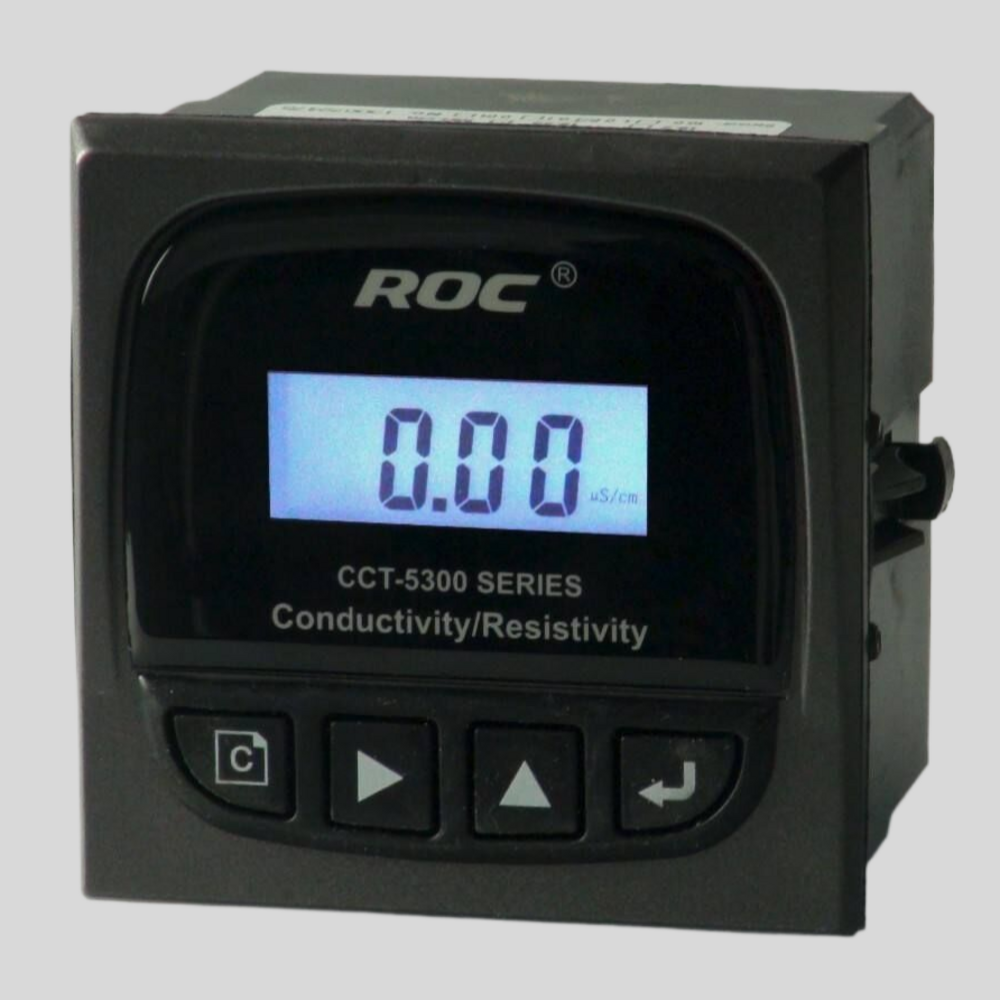
Before using a pH-TDS meter kit, it is important to understand what pH and TDS are. pH is a measure of the acidity or alkalinity of water, with a range of 0 to 14. A pH of 7 is considered neutral, while values below 7 are acidic and values above 7 are alkaline. TDS, on the other hand, refers to the total amount of dissolved solids in water, including minerals, salts, and other substances. High TDS levels can indicate contamination or poor water quality.
To use a pH-TDS meter kit, start by calibrating the device according to the manufacturer’s instructions. This typically involves immersing the probe in a calibration solution with a known pH value and adjusting the meter accordingly. Proper calibration is essential for accurate readings, so be sure to follow the calibration procedure carefully.
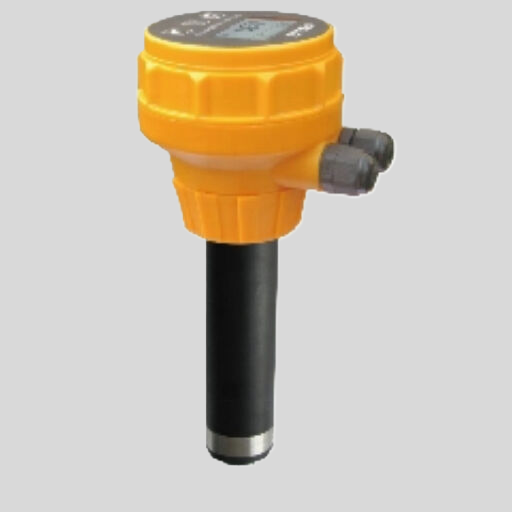
Once the meter is calibrated, you can begin testing the water. To measure the pH level, simply immerse the probe in the water sample and wait for the reading to stabilize. The pH value will be displayed on the meter’s screen, allowing you to assess the acidity or alkalinity of the water.
Next, switch the meter to the TDS mode to measure the total dissolved solids in the water. Again, immerse the probe in the sample and wait for the reading to stabilize. The TDS value will be displayed on the screen, indicating the concentration of dissolved solids in the water.
It is important to note that pH and TDS are interrelated, as high TDS levels can affect the pH of water. For example, water with a high TDS value may have a higher alkalinity, leading to an elevated pH level. By measuring both parameters, you can gain a comprehensive understanding of the water quality and identify any potential issues.
In addition to measuring pH and TDS, a pH-TDS meter kit may also include other features such as temperature compensation and automatic calibration. These functions can help improve the accuracy of the readings and ensure reliable results.
After testing the water, be sure to clean the probe with distilled water to remove any residue or contaminants. Proper maintenance of the meter is essential for accurate measurements and prolonging its lifespan.
| Model | pH/ORP-810 pH/ORP Meter |
| Range | 0-14 pH; -2000 – +2000mV |
| Accuracy | ±0.1pH; ±2mV |
| Temp. Comp. | Automatic temperature compensation |
| Oper. Temp. | Normal 0~50℃; High temp 0~100℃ |
| Sensor | pH double/triple sensor; ORP sensor |
| Display | LCD Screen |
| Communication | 4-20mA output/RS485 |
| Output | High/Low limit dual relay control |
| Power | AC 220V±10% 50/60Hz or AC 110V±10% 50/60Hz or DC24V/0.5A |
| Working Environment | Ambient temperature:0~50℃ |
| Relative humidity≤85% | |
| Dimensions | 96×96×100mm(H×W×L) |
| Hole Size | 92×92mm(H×W) |
| Installation Mode | Embedded |
In conclusion, a pH-TDS meter kit is a valuable tool for assessing water quality and ensuring the safety of drinking water. By following the proper procedures for calibration and testing, you can obtain accurate results and make informed decisions about water treatment and purification. Remember to regularly check the pH and TDS levels of your water sources to maintain optimal water quality and protect your health.