The Importance of Using a TDS Tester for Water Quality Testing
Total Dissolved Solids (TDS) refer to the amount of inorganic and organic substances present in water. These substances can include minerals, salts, metals, and other compounds that have dissolved in the water. TDS levels are an important indicator of water quality, as high levels can indicate contamination or the presence of harmful substances. To measure TDS levels accurately, a TDS tester is used.
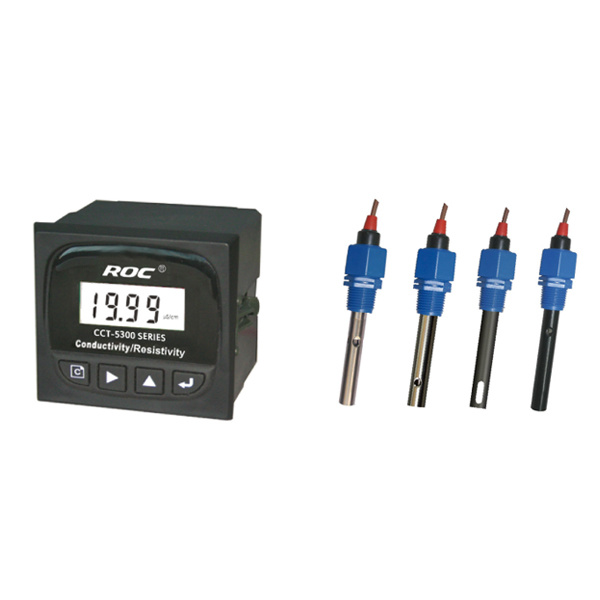
A TDS tester is a handheld device that measures the conductivity of water to determine the TDS levels. The tester works by passing an electrical current through the water sample and measuring the resistance. The higher the TDS levels in the water, the greater the conductivity and the lower the resistance. This information is then displayed on the tester’s screen in parts per million (ppm) or milligrams per liter (mg/L).

Using a TDS tester is crucial for ensuring the safety and quality of drinking water. High TDS levels can indicate the presence of contaminants such as heavy metals, bacteria, or chemicals that can pose health risks if consumed. By regularly testing the TDS levels of your water source, you can identify any potential issues and take appropriate measures to address them.
| Model | pH/ORP-5500 pH/ORP Online Meter |
| Range | pH:0.00~14.00 ; ORP: (-2000~+2000)mV; Temp.:(0.0~99.9)°C (Temp.Compensation: NTC10K) |
| Resolution | pH:0.01 ; ORP: 1mV; Temp.:0.1°C |
| Accuracy | pH:+/-0.1 ; ORP: +/-5mV(electronic unit); Temp.: +/-0.5°C |
| Temp. compensation | Range: (0~120)°C; element: Pt1000 |
| Buffer Solution | pH value 9.18; 6.86; 4.01; 10.00; 7.00; 4.00 |
| Medium Temp. | (0~50)°C (with 25°C as standard) manual/automatic temp. compensation for selection |
| Analog output | Isolated (4~20)mA, Instrument/Transmitter for selection |
| Control Output | Double relay output (ON/OFF); AC 240V/3A |
| Working Environment | Temp.(0~50)℃; relative humidity <95%RH (non-condensing) |
| Storage Environment | Temp.(-20~60)℃;Relative Humidity ≤85%RH (none condensation) |
| Power Supply | DC 24V; AC 110V; AC220V |
| Power consumption | <3W |
| Protection level | IP65 (with back cover) |
| Dimension | 96mmx96mmx105mm(HxWxD) |
| Hole Size | 91mmx91mm(HxW) |
In addition to monitoring drinking water quality, TDS testers are also used in various industries such as agriculture, aquaculture, and manufacturing. In agriculture, TDS testers are used to measure the nutrient levels in irrigation water to ensure optimal plant growth. In aquaculture, TDS testers help maintain the water quality in fish tanks and ponds to prevent stress and disease in aquatic animals. In manufacturing, TDS testers are used to monitor the quality of water used in production processes to ensure product quality and compliance with regulations.
| Model | NTU-1800 Online Turbidity Tester |
| Range | 0-10/100/4000NTU or as required |
| Display | LCD |
| Unit | NTU |
| DPI | 0.01 |
| Accuracy | ±5% FS |
| Repeatability | ±1% |
| Power | ≤3W |
| Power Supply | AC 85V-265V±10% 50/60Hz or |
| DC 9~36V/0.5A | |
| Working Environment | Ambient temperature:0~50℃; |
| Relative humidity≤85% | |
| Dimensions | 160*80*135mm(Hanging) or 96*96mm(Embeded) |
| Communication | 4~20mA and RS-485 communication (Modbus RTU) |
| Switched output | Three-way relay,capacity 250VAC/5A |
One of the key benefits of using a TDS tester is its portability and ease of use. Most TDS testers are compact, handheld devices that can be easily carried around and used on-site. This makes them ideal for field testing and monitoring water quality in remote locations. Additionally, TDS testers are user-friendly and require minimal training to operate, making them accessible to a wide range of users.
Regularly testing the TDS levels of your water source can help you make informed decisions about water treatment and filtration. If high TDS levels are detected, you may need to invest in a water filtration system to remove contaminants and improve water quality. By monitoring TDS levels over time, you can track changes in water quality and identify any trends or patterns that may require attention.
In conclusion, using a TDS tester is essential for ensuring the safety and quality of water for drinking, agriculture, aquaculture, and manufacturing. By measuring TDS levels accurately, you can identify potential contaminants and take proactive steps to address them. Investing in a TDS tester is a small price to pay for the peace of mind that comes with knowing your water is safe and clean.