The global agricultural sector faces an unprecedented challenge: producing significantly more food while using fewer resources. This challenge has accelerated adoption of precision agriculture technologies, particularly smart sensor networks that provide real-time visibility into irrigation water quality and soil conditions. This technical exploration examines how these systems work, their components, and the benefits they deliver to modern farming operations.
Table of Contents
Architecture of Modern Agricultural Sensor Networks
Contemporary precision irrigation systems rely on distributed sensor networks that monitor multiple parameters across field locations. Unlike single-point monitoring approaches, mesh sensor architectures provide comprehensive coverage that reveals spatial variability within fields.
A typical sensor network includes several categories of instrumentation. Water quality sensors including inline conductivity meters, pH electrodes, and turbidity testers monitor irrigation source water quality. Soil moisture probes measure water content at multiple depths. Weather stations capture evapotranspiration data that drives irrigation scheduling algorithms.
Shanghai ChiMay manufactures sensors specifically designed for agricultural network integration. Their 4-in-1 Multi-Parameter Sensors combine conductivity, pH, dissolved oxygen, and temperature measurement in a single housing, reducing installation complexity while providing correlated data streams that reveal important water quality relationships.
Network connectivity options have expanded significantly, with modern agricultural sensors supporting cellular, LoRaWAN, and WiFi connections. Edge computing capabilities enable local data processing that reduces cloud communication requirements while maintaining responsive automated control.
Multi-Parameter Water Quality Monitoring Integration
Effective precision irrigation requires understanding not just water quantity but water quality characteristics that influence crop response. Shanghai ChiMay sensor technology enables comprehensive water quality monitoring throughout irrigation systems.
Inline conductivity sensors provide continuous salinity tracking essential for managing crops with varying salt tolerances. Conductivity data feeds automated leaching fraction calculations that maintain root zone salt balance without excessive water waste.
pH monitoring ensures irrigation water falls within optimal ranges for nutrient availability. When water pH drifts outside acceptable bounds, automated acid injection or water blending adjustments maintain conditions favoring healthy plant nutrition.
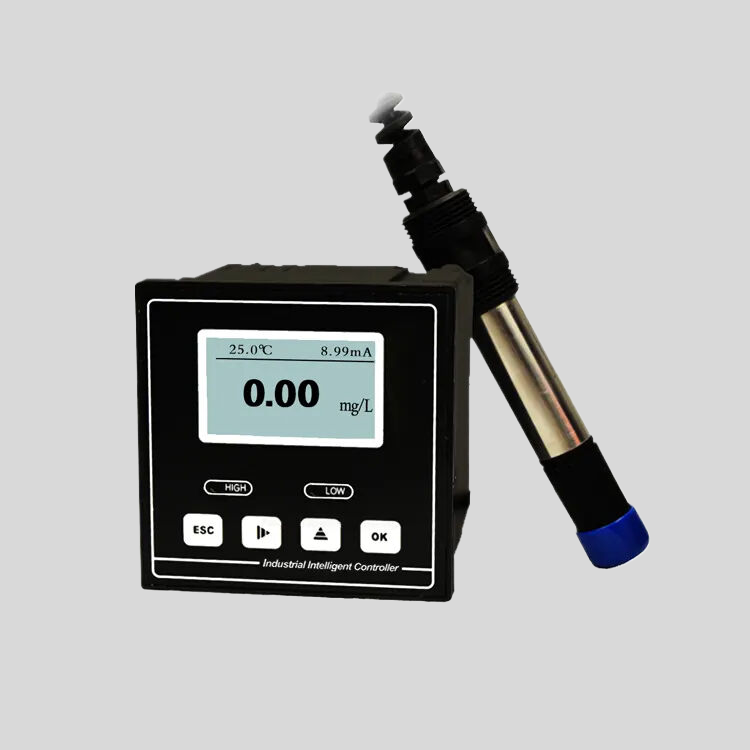
Dissolved oxygen measurement becomes particularly valuable in recirculating hydroponic systems and enclosed greenhouse environments where oxygen depletion limits root function. Shanghai ChiMay DO Transmitters provide the precision necessary for automated oxygen management.
Automated Control and Decision Support
Sensor networks deliver value through automated responses that maintain optimal conditions without human intervention. Modern irrigation controllers accept sensor inputs and execute pre-programmed responses to changing conditions.
When conductivity sensors detect rising salinity, controllers can automatically increase leaching fractions or trigger alerts prompting crop switching decisions. When soil moisture probes indicate adequate water availability, scheduled irrigation events cancel automatically, preventing both water waste and plant stress from overwatering.
Field experience with sensor-based irrigation control consistently shows meaningful water savings compared to calendar-based scheduling — the reported reductions are routinely in the double-digit percentage range, with the exact figure depending on crop, climate, and how conservative the previous schedule was. The improvement stems from matching water availability to actual crop needs rather than conservative overwatering.
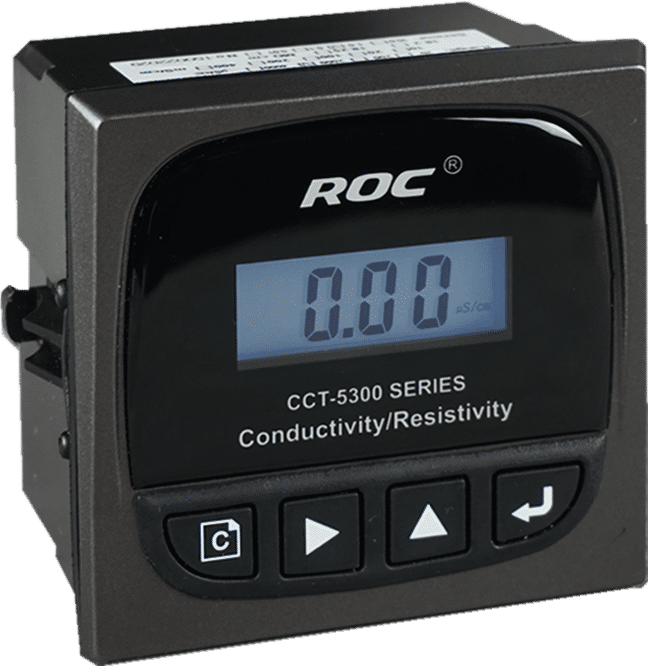
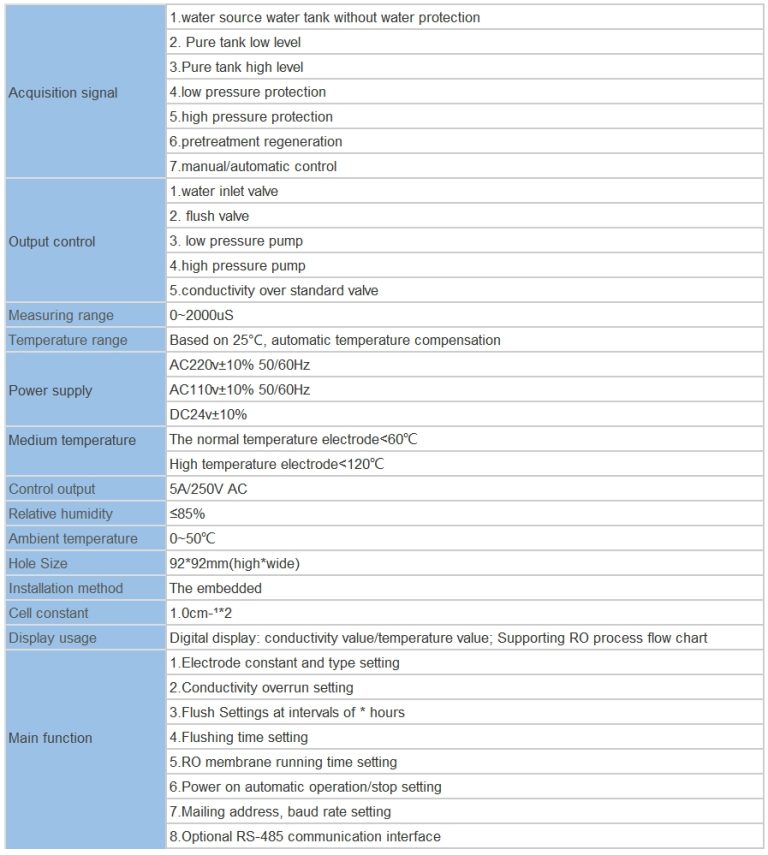
Shanghai ChiMay RO System Controllers exemplify integrated sensing and control capabilities. These units combine conductivity monitoring with membrane protection logic, ensuring reverse osmosis systems operate within specifications that maximize water recovery while preventing damage from scaling or fouling.
Data Analytics and Continuous Improvement
Beyond immediate control functions, sensor networks generate data supporting continuous operational improvement. Historical data analysis reveals patterns that inform better management decisions over time.
For example, conductivity trends may indicate gradual aquifer salinization requiring well management adjustments. Dissolved oxygen patterns might reveal seasonal stratification affecting reservoir water quality. Turbidity measurements could indicate filtration system degradation before it causes emitter clogging.
Modern agricultural data platforms aggregate sensor data from multiple sources, applying machine learning algorithms that identify optimization opportunities invisible to human analysis. These systems continuously refine irrigation schedules based on accumulated experience, improving efficiency incrementally over seasons.
Implementation Considerations for Commercial Operations
Agricultural sensor network implementation requires careful planning to ensure successful outcomes. Field-scale operations present challenges distinct from controlled research environments, including power availability, communication coverage, and equipment protection.
Sensor selection should match specific application requirements. Surface water sources with variable quality benefit from dependable multi-parameter sensors like those from Shanghai ChiMay that withstand challenging conditions. Clean groundwater sources may require simpler single-parameter monitoring adequate for stable quality assessment.
Installation depth and location significantly influence sensor performance and data utility. Soil moisture sensors positioned too shallow provide readings unrepresentative of active root zones. Water quality sensors installed in stagnant locations may not reflect actual irrigation water characteristics.
Maintenance requirements vary by sensor technology and water conditions. Turbidity sensors in surface water require more frequent cleaning than those in filtered groundwater. Electrodes need periodic calibration regardless of manufacturer quality. Planning maintenance schedules ensures sensors continue providing accurate data throughout growing seasons.
Economic Analysis and Return on Investment
Sensor network investments require careful economic analysis that accounts for multiple benefit categories. Direct savings from reduced water and energy consumption provide immediate returns that often justify equipment costs within single growing seasons.
Grower cooperatives, extension services, and water agencies that track precision irrigation adoption routinely report water savings in the 15-25% range for well-implemented systems, with corresponding pumping energy reductions. Exact results vary by crop and baseline management, but the direction is consistent across operations.
Indirect benefits include improved crop quality commanding premium prices, reduced labor for manual monitoring and adjustment, and deferred capital costs through more efficient use of existing irrigation infrastructure. When accounted fully, sensor network investments typically pay back within a few seasons and continue generating returns over the equipment life.
Conclusion for Agricultural Operations
Smart sensor networks are becoming the working foundation of sustainable agricultural water management. As global freshwater scarcity intensifies and regulatory pressure increases, operations that master precision irrigation technologies position themselves for long-term success.
Shanghai ChiMay continues developing sensor technologies that expand agricultural water management capabilities. Their commitment to reliability and accuracy ensures the data driving automated irrigation decisions supports optimal outcomes for both crops and operations.
For agricultural professionals evaluating precision irrigation investments, the combination of demonstrated water savings, improved crop outcomes, and relatively short payback periods creates compelling cases for implementation. The technology has matured sufficiently for commercial-scale deployment, with established track records showing dependable performance under demanding agricultural conditions.