Table of Contents
5 Ways pH Monitoring Transforms Seawater Desalination Efficiency
Key Takeaways:
– Maintaining optimal pH between 7.0-8.5 can reduce membrane scaling by up to 45%
– Real-time pH monitoring prevents $50,000-100,000 in annual chemical costs
– pH control directly impacts energy consumption—each 0.1 unit deviation increases energy use by 1-2%
– Automated pH adjustment systems reduce manual intervention by 80%
Introduction
When desalination operators think about process optimization, pH monitoring rarely tops the list. Yet this fundamental parameter exerts far more influence on plant performance than most operators realize. From membrane scaling to chemical efficiency, from energy consumption to product quality—pH touches every aspect of desalination operations.
This article explores five critical ways that comprehensive pH monitoring transforms desalination efficiency and delivers measurable returns on investment.
1. Membrane Scaling Prevention
The Scaling Mechanism
Membrane scaling occurs when dissolved minerals—primarily calcium carbonate, calcium sulfate, and silica—precipitate out of solution and deposit on membrane surfaces. The precipitation threshold is heavily influenced by pH levels.
Research published in the Journal of Membrane Science (2024) demonstrates that maintaining feedwater pH between 7.0-7.5 reduces calcium carbonate scaling potential by 40-45% compared to uncontrolled pH conditions. At pH levels above 8.0, scaling risk increases exponentially.
Monitoring Implementation
Effective scaling prevention requires:
– Continuous pH measurement at feedwater intake
– Real-time adjustment of acid dosing
– Automated diversion triggers when scaling risk rises
– Regular sensor calibration for accuracy
Cost Impact
The financial benefits of scaling prevention are substantial:
– Reduced cleaning frequency: 20-30%
– Extended membrane lifetime: 25-40%
– Lower chemical consumption: $50,000-100,000 annually
– Decreased emergency maintenance: $30,000-60,000 annually
2. Optimized Chemical Dosing
The pH-Chemical Relationship
Chemical dosing in desalination—including antiscalants, biocides, and cleaning agents—depends heavily on pH conditions. Each chemical has an optimal pH range for effectiveness:
| Chemical | Optimal pH Range | Consequence of pH Deviation |
|---|---|---|
| Sodium bisulfite | 6.5-8.0 | Rapid oxidation, dechlorination failure |
| Antiscalants | Variable | Reduced effectiveness outside range |
| Biocides | 6.0-8.5 | Decreased microbial control |
| Cleaning agents | 1.5-12.0 | Incomplete cleaning, membrane damage |
Precision Dosing Benefits
Continuous pH monitoring enables:
– Exact chemical dosing based on actual conditions
– Real-time adjustment to maintain optimal ranges
– Reduced chemical consumption through precision control
– Improved treatment effectiveness
Facilities implementing precision dosing report chemical cost reductions of 15-25%.
3. Energy Consumption Optimization
The pH-Energy Connection
Energy consumption in RO systems is directly linked to feedwater chemistry, which is heavily influenced by pH. Higher pH increases the likelihood of mineral precipitation, which:
– Restricts flow channels, requiring higher pressure
– Increases transmembrane pressure
– Reduces system recovery rates
Each 0.1 pH unit deviation from optimal range increases energy consumption by 1-2%. For a facility producing 10,000 m³/day, this translates to annual energy cost increases of $20,000-50,000.
Recovery Rate Optimization
Maintaining optimal pH enables higher recovery rates:
– pH 7.0-7.5: Recovery rates up to 50%
– pH 7.5-8.0: Recovery rates 40-50%
– pH 8.0+: Recovery rates below 40%
Higher recovery rates mean more product water per unit of feedwater, directly reducing both capital and operating costs.
4. Product Quality Assurance
Regulatory Requirements
Water quality regulations specify pH ranges for various applications:
– Drinking water: 6.5-8.5 (WHO guidelines)
– Agricultural irrigation: 6.0-8.5 (FAO guidelines)
– Industrial process water: Application-specific
Product water pH that falls outside these ranges may require additional treatment or become unsuitable for intended use.
Continuous Quality Verification
Real-time pH monitoring ensures:
– Consistent product quality meeting specifications
– Automated diversion when pH exceeds limits
– Compliance documentation for regulatory purposes
– Reduced quality-related customer complaints
5. Equipment Protection
Corrosion Control
While high pH protects against scaling, extremely high or low pH can damage system components:
– Low pH (< 6.0): Corrosion of metal components
– High pH (> 9.0): Degradation of polymeric seals and membranes
– Rapid pH changes: Thermal stress on equipment
Continuous monitoring provides:
– Early warning of corrosive conditions
– Automated neutralization triggers
– Equipment lifespan extension
– Reduced maintenance costs
Sensor Longevity
Modern pH sensors designed for seawater applications offer:
– Extended calibration intervals (30-90 days)
– Minimal maintenance requirements
– Resistance to fouling and coating
– Durable construction for harsh environments
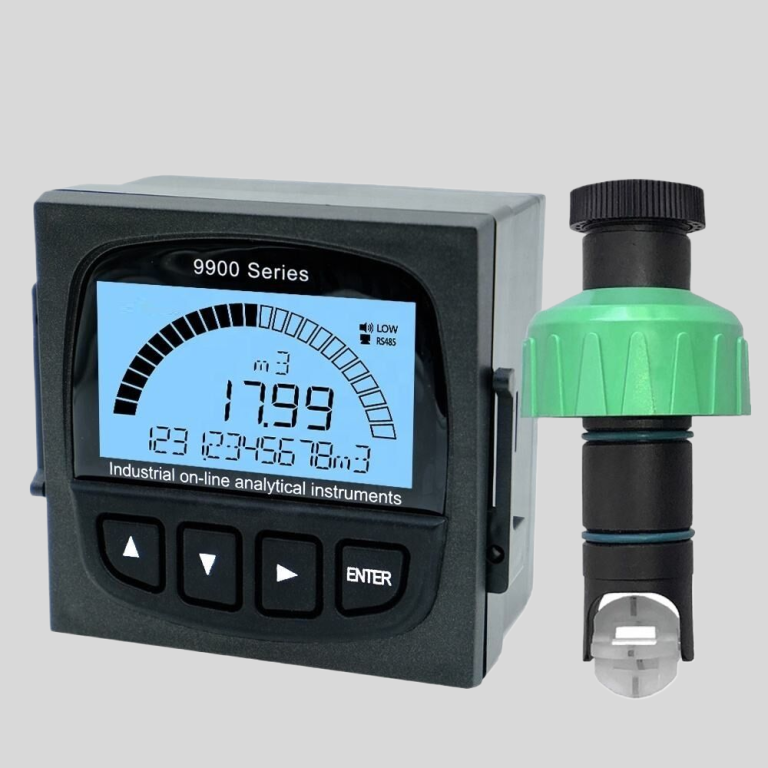
Shanghai ChiMay’s pH sensors incorporate advanced materials and design features that ensure reliable performance in demanding desalination conditions.
Implementation Recommendations
Sensor Placement Strategy
Optimal pH monitoring requires sensors at:
– Feedwater intake (raw water characterization)
– Pre-treatment exit (optimization verification)
– RO feed stream (membrane protection)
– Permeate outlet (product quality assurance)
– Cleaning solution tank (cleaning process control)
System Integration
Effective pH control integrates with:
– Automated dosing systems
– Alarm and diversion controls
– Data logging and reporting
– Predictive maintenance platforms
Conclusion
pH monitoring represents one of the highest-return investments available to desalination operators. From membrane protection to energy savings, from chemical optimization to quality assurance—the benefits cascade throughout every aspect of plant operations.
Facilities that implement comprehensive pH monitoring typically see full return on investment within 6-12 months through the combined effects of reduced costs and improved performance.
Shanghai ChiMay provides pH monitoring solutions designed specifically for seawater desalination applications, offering the accuracy, reliability, and durability that demanding environments require.