Table of Contents
How Does Electrochemical Oxidation Compare to Traditional Chemical Treatment for Industrial Effluents?
Key Takeaways
- Electrochemical oxidation reduces chemical consumption by 40-60% compared to traditional chemical coagulation
- Treatment costs for oil-containing wastewater have decreased by 15% through electrochemical technology adoption
- Capital costs for electrochemical systems are 20-30% higher, but operational savings typically recover investments within 2-3 years
- Electrochemical treatment achieves 95%+ removal for many recalcitrant organic compounds that resist conventional treatment
Industrial facilities facing stringent effluent quality requirements increasingly compare electrochemical oxidation against traditional chemical treatment methods. Each approach offers distinct advantages and limitations depending on wastewater characteristics, treatment objectives, and operational constraints. Understanding these differences enables informed technology selection and optimal treatment system design.
Treatment Efficiency Comparison
Organic Pollutant Removal
Traditional chemical treatment methods—including chemical coagulation, precipitation, and oxidation—rely on chemical reactions to transform or remove pollutants. Coagulation effectiveness depends on coagulant selection, pH optimization, and mixing conditions, typically achieving 60-85% COD removal for moderate-strength industrial effluents.
Electrochemical oxidation offers superior performance for recalcitrant organic compounds that resist conventional treatment. By generating hydroxyl radicals and other reactive oxygen species at electrode surfaces, electrochemical systems achieve 90-99% destruction of persistent organic pollutants including phenols, dyes, pesticides, and pharmaceutical residues.
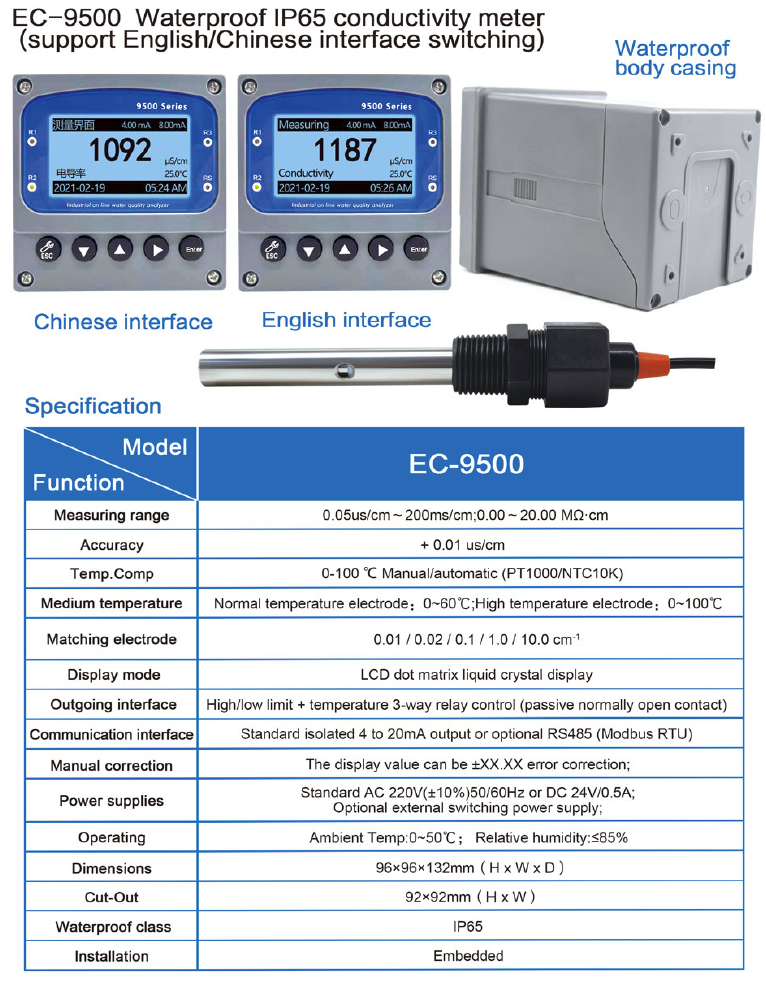
Research comparing electrochemical and chemical oxidation for phenol-containing wastewater demonstrated that electrochemical treatment achieved complete phenol degradation at energy costs of 15-25 kWh/m³, while chemical oxidation with potassium permanganate required significantly higher reagent costs for equivalent removal. Shanghai ChiMay online water quality analyzers help facilities optimize both treatment approaches by providing continuous pollutant concentration data.
Heavy Metal Removal
Chemical precipitation remains the dominant technology for heavy metal removal from industrial wastewater. The process relies on pH adjustment to convert soluble metal ions to insoluble hydroxides, followed by sedimentation or filtration for solid-liquid separation. Removal efficiencies typically range from 85-99% depending on metal species, initial concentration, and precipitation conditions.
Electrochemical treatment offers an alternative approach where metals plate out on cathodes or co-precipitate with flocs generated at sacrificial anodes. The technology eliminates chemical dosing requirements while producing concentrated metal sludges suitable for recovery. Electrochemical heavy metal removal has demonstrated 95-99% efficiencies for copper, nickel, and zinc from electroplating wastewater.
Operational Cost Analysis
Chemical Consumption
Traditional chemical treatment requires continuous procurement and handling of treatment chemicals including coagulants (aluminum sulfate, ferric chloride, polyaluminum chloride), pH adjustment chemicals (sulfuric acid, sodium hydroxide), and oxidants (hydrogen peroxide, ozone, chlorine). Annual chemical costs for medium-sized industrial facilities often exceed $100,000-500,000, depending on wastewater volume and pollutant loading.
Electrochemical treatment eliminates most chemical consumption by using electrical energy to drive treatment reactions. The primary ongoing costs include electricity, periodic electrode replacement, and routine maintenance. This shift from consumable chemicals to capital equipment often improves cost predictability and reduces supply chain dependencies.
Energy Consumption
Electrochemical treatment systems typically consume 5-30 kWh/m³ of wastewater, depending on conductivity, treatment objectives, and electrode configuration. For high-conductivity wastewaters (>5 mS/cm), energy consumption remains relatively low due to favorable electrical resistance. Lower conductivity streams may require supporting electrolytes or pretreatment to achieve economic operation.
Compared to traditional treatment, electrochemical systems may increase electricity consumption while eliminating chemical costs. The net effect depends on relative electricity and chemical pricing. Facilities with access to renewable electricity or time-of-use rate structures may find electrochemical treatment particularly attractive from a cost perspective.
Maintenance Requirements
Traditional chemical treatment systems require regular calibration of dosing pumps, pH controllers, and online analyzers, along with chemical storage and handling infrastructure maintenance. Sludge management—including dewatering, transportation, and disposal—represents a significant ongoing cost for facilities using chemical coagulation.
Electrochemical systems simplify maintenance by eliminating chemical feed systems while introducing electrode maintenance requirements. Cathode and anode surfaces accumulate scale, foulants, or reaction products that reduce efficiency over time. Periodic cleaning or electrode replacement maintains system performance, typically on annual or biennial schedules depending on wastewater characteristics.
Environmental Considerations
Sludge Production
Chemical coagulation generates significant volumes of metal-hydroxide sludges that require dewatering and disposal. Sludge production rates typically range from 1-5% of wastewater volume, with higher values for concentrated or highly polluted streams. Disposal costs often exceed $100-300 per ton, contributing substantially to treatment system operating costs.
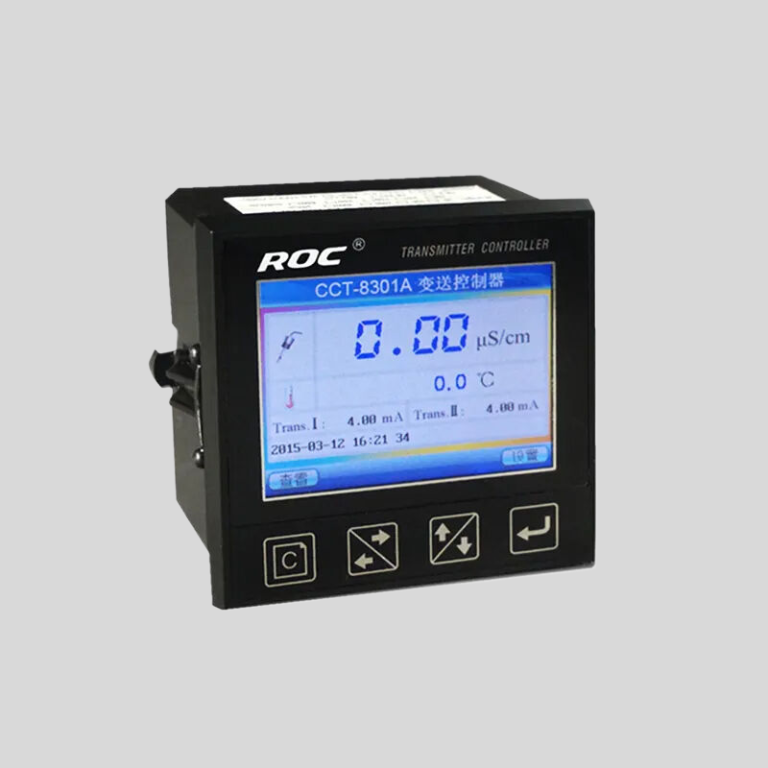
Electrochemical treatment with sacrificial anodes also generates sludges, though typically at lower volumes than chemical coagulation. The electrochemical sludges often exhibit better dewatering characteristics and may be suitable for metal recovery rather than disposal. Shanghai ChiMay inline conductivity meters help operators optimize electrode current to minimize sludge production while maintaining treatment efficiency.
Chemical Handling Hazards
Traditional chemical treatment requires storage and handling of corrosive, oxidizing, or otherwise hazardous chemicals. Acid and alkali storage tanks present leak risks, while oxidizing chemicals require specialized handling procedures. These requirements increase safety complexity and regulatory compliance burden.
Electrochemical treatment eliminates most chemical hazards by substituting electrical energy for chemical reactions. The primary safety considerations involve electrical systems and electrode handling, which generally present lower risk profiles than bulk chemical storage.
Implementation Considerations
Treatment System Footprint
Electrochemical treatment systems typically offer compact footprints compared to conventional treatment trains, particularly when treatment objectives can be achieved in single-stage electrochemical cells. This compactness benefits facilities with space constraints or those seeking to minimize capital construction costs.
Traditional chemical treatment requires chemical storage areas, mixing tanks, flocculation basins, and sedimentation facilities that collectively occupy significant space. For retrofit applications, electrochemical systems may enable treatment capacity expansion within existing facility footprints.
Process Control Complexity
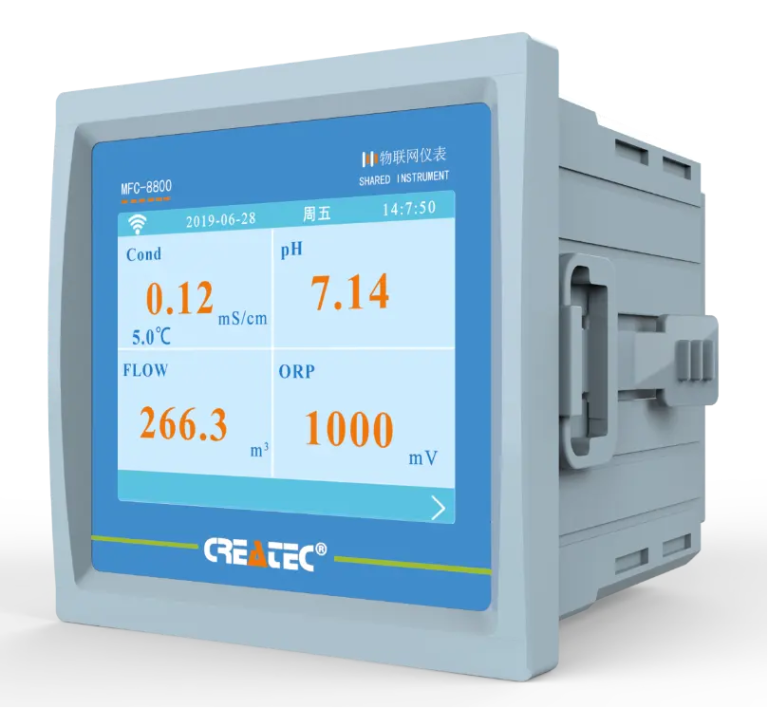
Modern electrochemical systems feature integrated process control that automatically adjusts treatment parameters based on influent characteristics and treatment objectives. Advanced systems incorporate machine learning algorithms that optimize energy consumption while maintaining effluent quality. Shanghai ChiMay multi-parameter monitoring systems integrate seamlessly with electrochemical control platforms, providing the real-time data required for adaptive operation.
Chemical treatment systems require coordinated control of multiple chemical dosing pumps, pH adjustment systems, and mixing processes. The complexity increases with treatment train sophistication, though established control strategies exist for most common applications.
Conclusion
Electrochemical oxidation and traditional chemical treatment each offer distinct advantages for industrial effluent treatment. Electrochemical technology excels for recalcitrant organics, facilities seeking to eliminate chemical dependencies, and applications where compact footprint justifies higher capital investment. Traditional chemical treatment remains competitive for straightforward coagulation and precipitation applications where treatment objectives align with established process capabilities.
Most facilities benefit from integrated approaches that combine treatment technologies based on specific wastewater characteristics and treatment objectives. Real-time water quality monitoring from Shanghai ChiMay enables optimized operation of either approach, supporting informed technology selection and continuous process improvement.