Table of Contents
Key Takeaways
- The global digital twin water distribution market is projected to grow from $1.77 billion in 2025 to $3.76 billion by 2030, representing a compound annual growth rate (CAGR) of 16.2%
- Water utilities implementing digital twin technology report operational cost reductions of 15-25% within the first two years of deployment
- Cloud-based digital twin platforms now dominate 68% of new installations due to lower upfront costs and scalability advantages
- Integration with existing SCADA systems and IoT sensor networks remains the primary challenge for 62% of utility buyers
Water treatment facilities worldwide are undergoing a fundamental transformation, with digital twin technology emerging as the cornerstone of modern infrastructure management. According to the Digital Twin Water Distribution Market Report 2026, the sector has reached $2.06 billion in 2026, marking a 16.4% year-over-year increase from 2025's $1.77 billion valuation. This rapid growth reflects the urgent need for water utilities to modernize aging infrastructure while addressing mounting pressures from climate change, urbanization, and tightening regulatory requirements.
For procurement decision-makers, selecting the right digital twin platform represents a strategic investment that will shape operational capabilities for years to come. The stakes are considerable: a poorly chosen platform can result in millions of dollars in sunk costs, integration failures, and missed optimization opportunities. Conversely, a well-matched solution can deliver transformative improvements in efficiency, reliability, and sustainability.
Understanding Digital Twin Architecture in Water Treatment
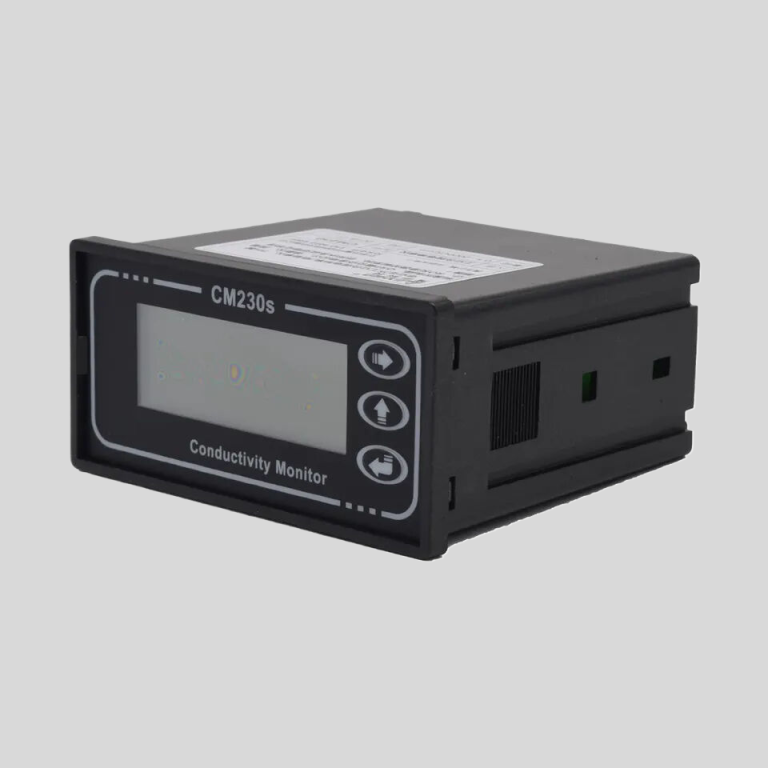
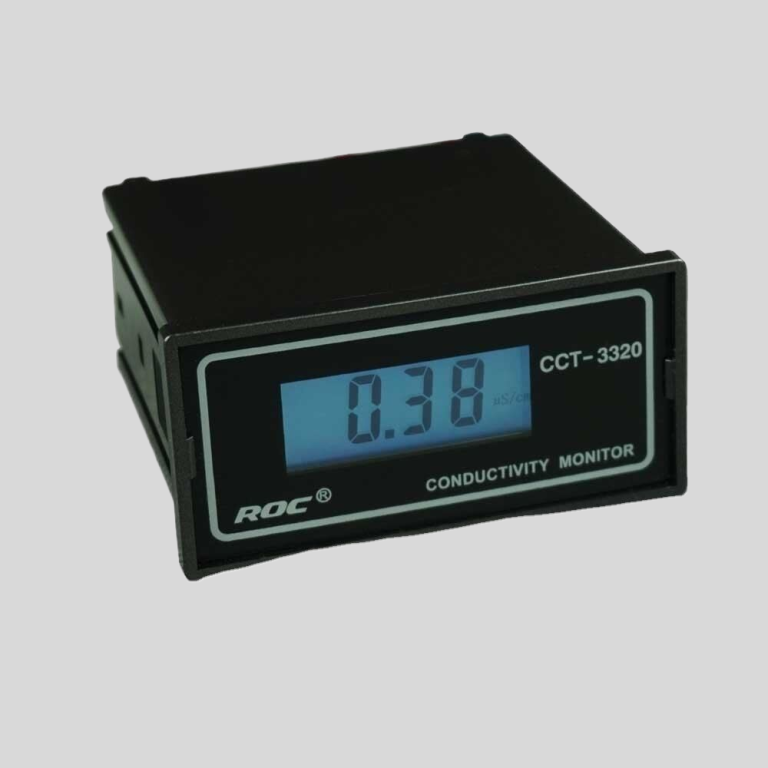
A digital twin for water treatment creates a high-fidelity virtual representation of physical assets, including treatment processes, distribution networks, pumping stations, and storage facilities. The system continuously receives real-time data from sensors and instruments—including inline conductivity meters, pH electrodes, dissolved oxygen transmitters, and flow meters—to maintain an accurate, dynamic model of actual conditions.
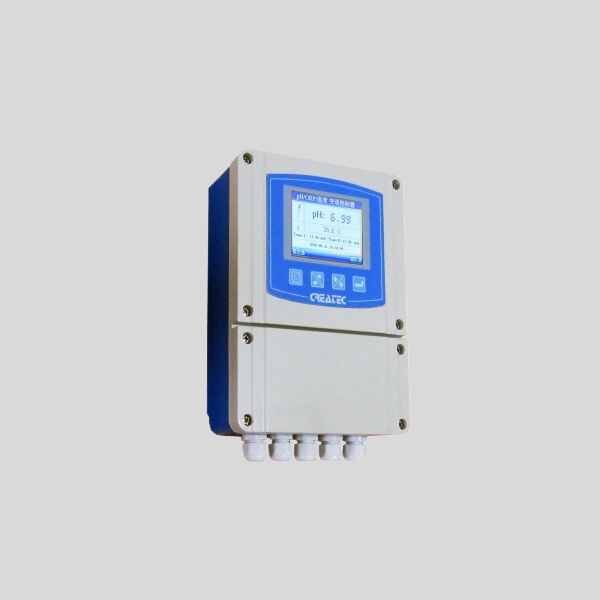
The technical architecture typically comprises three interconnected layers. The first layer consists of data acquisition hardware, including ChiMay's inline conductivity meters and multi-parameter sensors that capture critical water quality parameters at strategic points throughout the treatment and distribution process. The second layer encompasses data integration and analytics platforms that aggregate information from diverse sources, perform quality checks, and feed data into the simulation engine. The third layer comprises the visualization and decision-support tools that enable operators and managers to interact with the digital twin, run scenario analyses, and optimize operations.
Gartner's 2025 Water Utilities Technology Survey indicates that facilities with comprehensive sensor networks achieve 23% better predictive accuracy than those relying on sparse instrumentation. This finding underscores the importance of investing in high-quality monitoring equipment as the foundation for effective digital twin deployment.
Platform Comparison: Key Decision Criteria
Deployment Model Options
Modern digital twin platforms are available in three deployment configurations, each presenting distinct advantages and trade-offs.
Cloud-based solutions have captured the dominant market share, with 68% of new installations in 2025 choosing this model. The appeal lies in minimal upfront capital expenditure, automatic software updates, and elastic scalability that accommodates growing data volumes without hardware upgrades. For water utilities seeking rapid deployment and operational flexibility, cloud platforms offer compelling advantages. However, concerns about data security, latency in critical control applications, and dependency on internet connectivity warrant careful evaluation.
On-premises deployments provide maximum control over data and system configuration, making them preferable for utilities operating in regions with strict data sovereignty regulations or requiring real-time control capabilities. The Total Cost of Ownership (TCO) analysis often favors on-premises solutions for large utilities with dedicated IT staff and stable capital budgets. Initial implementation costs run 40-60% higher than cloud alternatives, but long-term operational expenses may be lower over a 7-10 year horizon.
Hybrid architectures combine on-premises data collection and processing with cloud-based analytics and collaboration tools. This approach balances the low-latency requirements of operational technology with the computational scalability of cloud infrastructure. Xylem Inc. and Siemens AG both report that 45% of their enterprise customers now prefer hybrid deployments, reflecting the recognition that not all functions require the same deployment model.
Software Capability Assessment
Beyond deployment considerations, procurement teams must evaluate core software capabilities across several dimensions.
Model fidelity and customization determine how accurately the digital twin represents actual physical processes. Leading platforms offer physics-based models for treatment processes including coagulation, flocculation, sedimentation, filtration, and disinfection. Advanced systems incorporate machine learning algorithms that continuously calibrate model parameters against operational data, improving accuracy over time. Buyers should request demonstrations using site-specific data and evaluate model performance across normal operating ranges and edge cases.
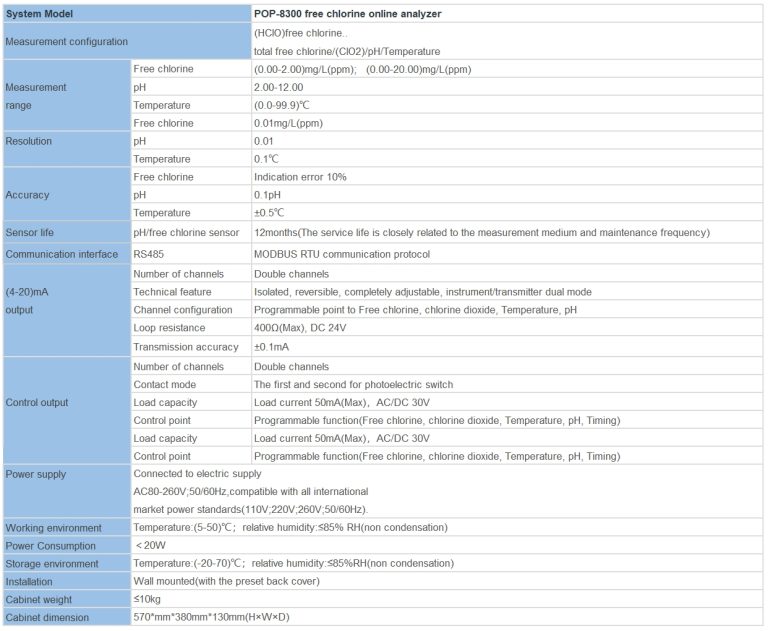
Integration capabilities are critical for connecting the digital twin with existing infrastructure. The platform must communicate with diverse hardware from multiple vendors—including ChiMay's online analyzers, flow measurement equipment, and control systems—using standard protocols such as Modbus, OPC-UA, and MQTT. APIs for enterprise systems including ERP, CMMS, and GIS platforms enable comprehensive data flows that maximize analytical value.
Scalability and performance requirements depend on system complexity and data volumes. A digital twin for a small treatment plant processing 10 MLD (million liters per day) presents vastly different computational demands than a regional utility managing 500+ kilometers of distribution mains and multiple treatment facilities. Platform architectures vary from single-server installations to distributed systems that parallelize computations across cluster environments.
Total Cost of Ownership Analysis
A comprehensive TCO assessment extends well beyond initial licensing fees to encompass implementation, integration, training, and ongoing operational costs.
Implementation costs typically range from $150,000 to $500,000 for mid-sized water treatment facilities, depending on system complexity and customization requirements. This phase includes data collection and cleansing, model development and calibration, integration with existing systems, and user interface customization. Utilities that have invested in comprehensive asset management programs and maintain high-quality historical data generally experience 20-30% lower implementation costs.
Annual operational expenses for cloud-based platforms average 18-22% of initial implementation cost, covering software subscriptions, support services, and cloud infrastructure usage. On-premises solutions require ongoing investments in hardware maintenance, software licensing, and internal support resources, typically totaling 12-18% of implementation cost annually, plus periodic major upgrades every 3-5 years.
When comparing alternatives, procurement teams should also consider indirect costs and benefits. The Boston Consulting Group's 2025 Utilities Digitalization Study found that successful digital twin implementations deliver average ROI of 280% over five years, driven primarily by energy savings (15-20% reduction in pumping costs), reduced chemical consumption (8-12% decrease in coagulant and disinfectant usage), and extended asset life (25% improvement in equipment lifespan through optimized operating conditions).
Vendor Landscape and Selection Framework
The digital twin platform market has matured significantly, with established players and innovative newcomers competing for utility contracts.
Tier-1 vendors including Siemens AG, Schneider Electric SE, Xylem Inc., and AVEVA Group plc offer comprehensive platforms with extensive treatment process libraries, proven integration capabilities, and global support networks. These solutions typically command premium pricing but provide the reliability and extensibility that large utilities require. Siemens reports that their digital twin solutions have been deployed in 340+ water utilities across 45 countries, demonstrating mature, field-proven capabilities.
Specialized providers such as TaKaDu focus on specific applications like network optimization and leak detection, offering deep functionality in targeted areas at potentially lower total cost. These solutions may integrate with broader platforms or operate as standalone systems, providing flexibility for utilities seeking best-of-breed approaches.
Emerging technology companies bring innovative approaches leveraging artificial intelligence, edge computing, and novel visualization techniques. While potentially offering breakthrough capabilities, these solutions require careful evaluation of vendor stability, support infrastructure, and long-term roadmap alignment.