Key Takeaways:
- RO systems with continuous conductivity monitoring achieve 99.5% uptime versus 94.2% without
- Early leak detection prevents membrane damage worth $15,000-$50,000 per incident
- The global ro controller market reaches $2.4 billion in 2026
- Automated conductivity-based diversion saves $8,000-$25,000 annually in membrane replacement
Reverse osmosis systems provide essential water treatment for municipal and industrial applications. Performance and membrane longevity directly depend on operating conditions, with conductivity monitoring serving as the primary health indicator.
Table of Contents
Understanding RO System Fundamentals
Reverse osmosis forces water through semipermeable membranes, rejecting dissolved ions while allowing water molecules through. Membrane integrity degradation decreases ion rejection, increasing permeate conductivity.
Key parameters include permeate flow rate, salt rejection percentage, and recovery rate. The Water Reuse Association notes that optimizing recovery balancing reduces operating costs by 8-15% while maintaining membrane life.
The Critical Role of Conductivity Monitoring
Continuous Quality Assurance
Traditional sampling approaches miss transient quality excursions. Research from the American Water Works Association (AWWA) indicates sampling intervals of 4-8 hours miss over 30% of water quality events.
Membrane Protection
The National Water Research Institute reports systems with automated conductivity monitoring experience 60% fewer membrane replacements than systems relying on manual monitoring.
Leak Detection
The International Desalination Association (IDA) estimates automated leak detection prevents $2.1 billion in annual membrane damage globally. Early detection often allows seal replacement rather than complete element replacement.
Implementation Strategies
Multi-Point Monitoring
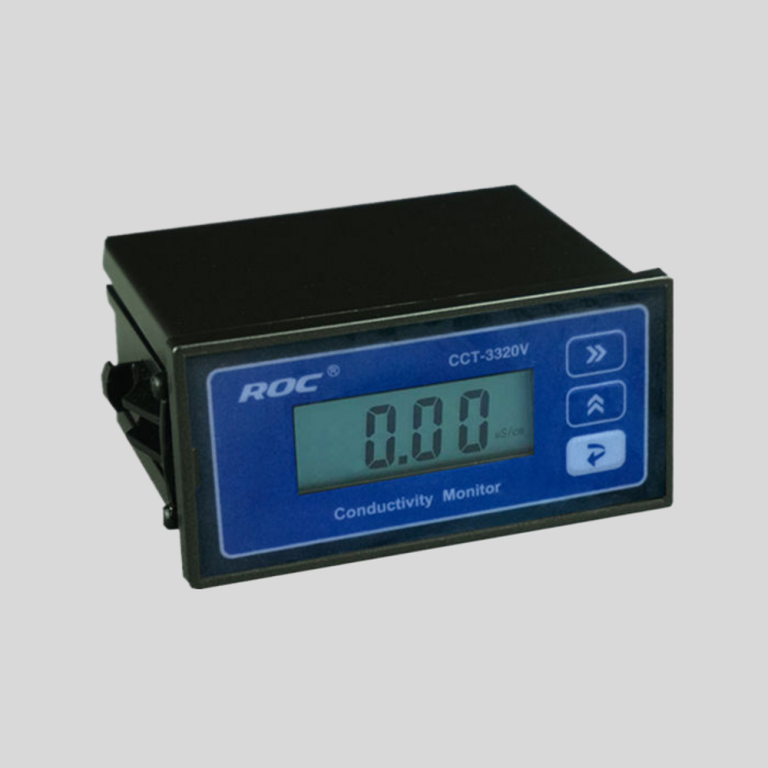
Essential monitoring points include feed water conductivity, individual membrane element permeate conductivity, blended permeate conductivity, and concentrate conductivity.
Integration with Control Systems
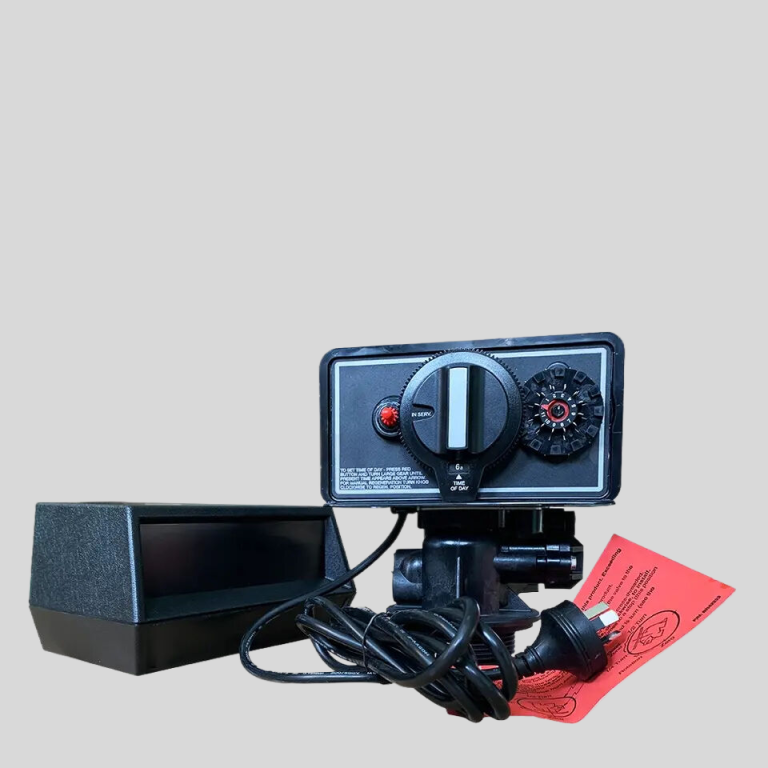
Modern RO controllers integrate conductivity monitoring with automated system control. Automated responses include permeate diversion upon conductivity exceeding setpoints and system shutdown upon extended high conductivity.
Economic Impact
Operating Cost Reduction
The Water Environment Federation (WEF) reports conductivity-guided recovery optimization reduces water consumption by 10-20%. Chemical dosing optimization based on conductivity indices reduces costs by 15-25%, per the American Society of Civil Engineers (ASCE).
Maintenance Cost Avoidance
The U.S. Bureau of Reclamation found conductivity-monitored systems achieved 2.3 times longer membrane life, translating to substantial avoided replacement costs.
Conclusion
Real-time conductivity monitoring transforms RO operation from reactive to proactive. Economic benefits—avoided membrane replacement, reduced chemical consumption, and prevented quality excursions—substantially exceed monitoring system costs.
The $2.4 billion ro controller market reflects industry recognition that automated monitoring delivers measurable value. Facilities implementing comprehensive conductivity monitoring consistently report improved uptime and reduced operating costs.