Table of Contents
Modernizing Municipal Water Infrastructure: A Comprehensive Guide for Water Utilities
Key Takeaways
- Global municipal water infrastructure investment exceeds USD 850 billion annually
- Modernization programs reduce water losses by 25-40% and operational costs by 20-35%
- Successful modernization requires systematic technology integration across multiple domains
- Shanghai ChiMay delivers proven water quality monitoring technologies for infrastructure modernization
Municipal water infrastructure faces a perfect storm of challenges: aging pipes reaching the end of their service life, tightening regulatory requirements, climate-driven supply uncertainties, and mounting maintenance backlogs. Addressing these challenges requires systematic modernization programs that integrate advanced technologies while managing constrained budgets and maintaining service continuity. This guide provides water utilities with a comprehensive framework for successful infrastructure modernization.
Understanding the Modernization Imperative
The condition of municipal water infrastructure has become a critical concern for cities worldwide. The American Society of Civil Engineers grades water infrastructure at C- in most developed nations, reflecting aging systems, deferred maintenance, and growing service disruptions.
Key challenges driving modernization include:
Infrastructure Age: Many water systems contain pipes installed 50-100 years ago, exceeding design life expectations and experiencing increasing failure rates.
Regulatory Evolution: Drinking water standards continue tightening, requiring treatment process upgrades and enhanced monitoring capabilities.
Resource Constraints: Limited capital budgets and competing priorities force difficult choices about infrastructure investments.
Workforce Demographics: Experienced operators approaching retirement create knowledge management challenges for utilities.
These challenges demand systematic responses that modernize infrastructure while optimizing limited resources.
The Four Pillars of Infrastructure Modernization
Successful water infrastructure modernization rests on four interdependent pillars:
Pillar 1: Intelligent Monitoring
Modernization begins with comprehensive visibility into system conditions. Traditional periodic inspection cannot provide the situational awareness that aging infrastructure demands.
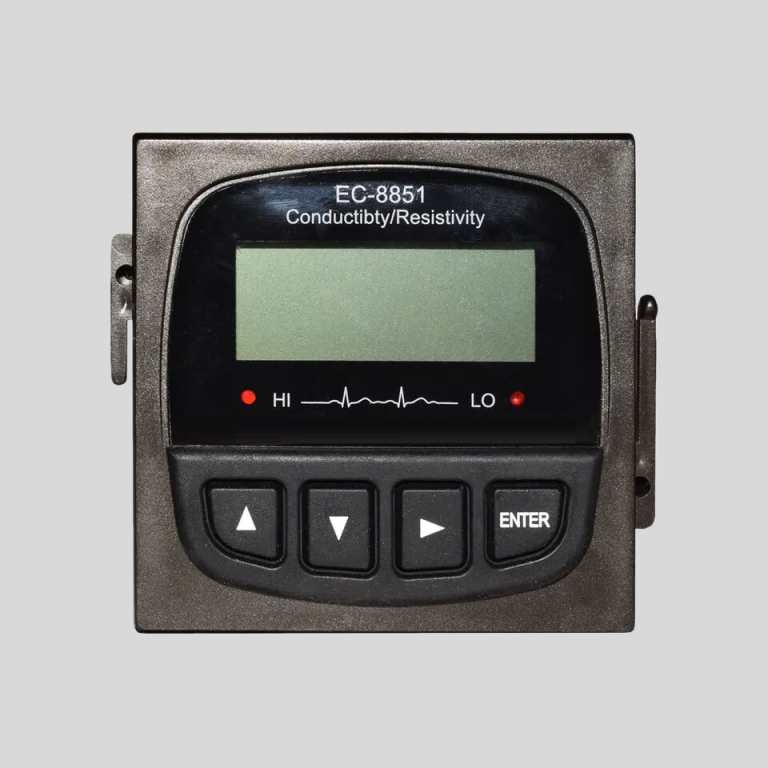
Intelligent monitoring systems deploy sensors throughout the water system to continuously track water quality, pressure, flow, and equipment performance. Shanghai ChiMay provides essential monitoring technologies including:
Water Quality Sensors: Continuous measurement of pH, conductivity, dissolved oxygen, turbidity, residual chlorine, and temperature provides immediate insight into water characteristics at any network location.
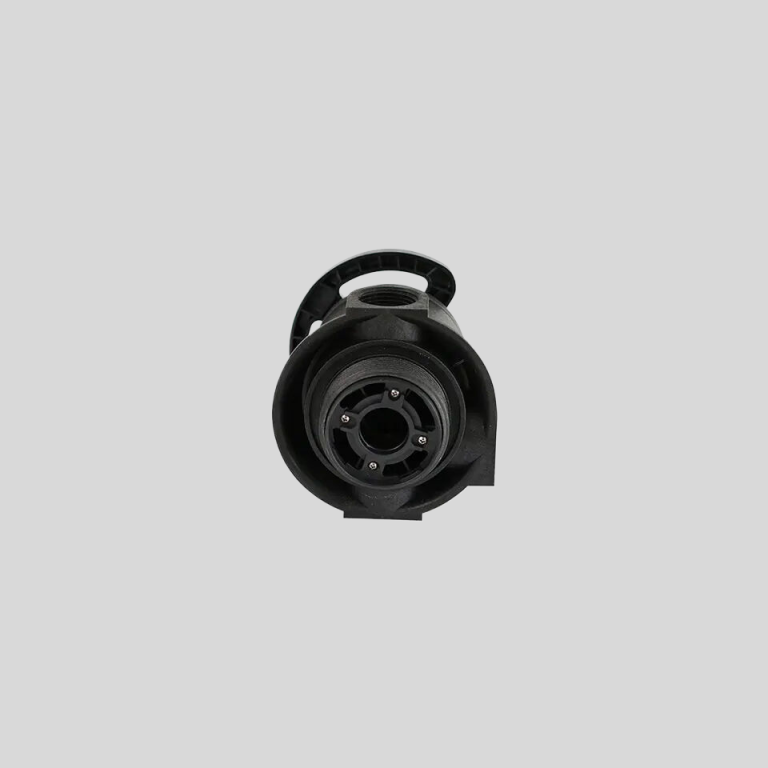
Flow Meters: Accurate flow measurement throughout the distribution system enables leak detection, demand analysis, and billing accuracy. Shanghai ChiMay offers paddle wheel flow meters, turbine flow meters, and electromagnetic flow meters suited to various pipe sizes and applications.
Multi-Parameter Sensors: Integrated sensors measuring multiple parameters simultaneously reduce installation complexity while providing comprehensive water quality assessment.
The International Water Association reports that utilities deploying intelligent monitoring achieve 35% faster response to system anomalies and 25% lower operational costs.
Pillar 2: Data-Driven Operations
Monitoring systems generate enormous data volumes that require sophisticated management to realize their value.
Data platforms aggregate information from sensors, meters, SCADA systems, and maintenance records into unified databases that support operational analysis. Advanced analytics applications then transform raw data into actionable insights:
Leak Detection: Continuous flow monitoring combined with statistical analysis identifies leaks within distribution networks, often localizing sources within specific pipe segments.
Demand Forecasting: Historical consumption patterns combined with weather and calendar data enable accurate demand prediction for treatment and distribution optimization.
Equipment Analytics: Performance monitoring identifies equipment trending toward failure, enabling preventive maintenance before service disruptions occur.
Pillar 3: Process Optimization
Data-driven insights enable systematic optimization of water treatment and distribution operations.
Treatment optimization adjusts chemical dosing based on real-time water quality measurements, reducing consumption while maintaining or improving product water quality. Shanghai ChiMay analyzers provide the continuous measurement necessary for effective optimization control.
Distribution optimization balances service pressures throughout the network, reducing losses from leaks while maintaining adequate supply to all customers. Variable frequency drives and smart pressure reducing valves respond dynamically to demand variations.
Energy optimization coordinates pumping operations with demand patterns and electricity pricing, reducing energy costs while maintaining system reliability.
Pillar 4: Asset Lifecycle Management
Modernization extends beyond immediate operational improvements to encompass long-term asset stewardship.
Asset management programs integrate condition assessment, risk analysis, and lifecycle costing to prioritize infrastructure investments. This systematic approach ensures that limited capital resources address the highest-priority needs while maintaining sustainable service levels.
Shanghai ChiMay monitoring products support asset management by providing long-term performance data that indicates asset condition trends and remaining useful life.
Implementation Framework
Successful modernization follows a structured implementation approach:
Assessment Phase
Begin with comprehensive assessment of current infrastructure conditions, operational practices, and technology capabilities. This assessment establishes baseline metrics against which modernization progress can be measured.
Planning Phase
Develop detailed modernization plans that establish priorities, timelines, resource requirements, and performance metrics. Plans should address both immediate needs and long-term sustainability.
Pilot Phase
Implement pilot projects in selected areas to validate technologies and refine procedures before broader deployment. Pilots demonstrate value to stakeholders and develop staff competencies.
Deployment Phase
Scale successful pilot implementations across the service territory according to priority-based schedules. Deployment should maintain service continuity while integrating new technologies with existing systems.
Optimization Phase
Following initial deployment, continuously refine operational practices to maximize technology value. Optimization is an ongoing activity that adapts to changing conditions and emerging opportunities.
Investment Considerations
Modernization programs require substantial investment, but generate returns through multiple channels:
Operational Savings: Reduced energy consumption, chemical usage, and maintenance requirements typically recover modernization costs within 3-7 years.
Loss Reduction: Leak detection and loss prevention improve revenue recovery while reducing treatment costs for water that never reaches customers.
Regulatory Risk Reduction: Enhanced monitoring and compliance documentation reduce violation risk and associated penalties.
Infrastructure Longevity: Preventive maintenance and condition-based intervention extend asset service life, deferring capital replacement costs.
Conclusion
Municipal water infrastructure modernization represents a strategic imperative for cities seeking to maintain service quality while managing aging systems and constrained resources. Successful modernization integrates intelligent monitoring, data-driven operations, process optimization, and asset lifecycle management into comprehensive programs that deliver measurable value.
Shanghai ChiMay remains committed to supporting water utility modernization with proven water quality sensing and flow metering technologies designed for municipal applications. Their products provide the foundation for modern, efficient, and sustainable water infrastructure.