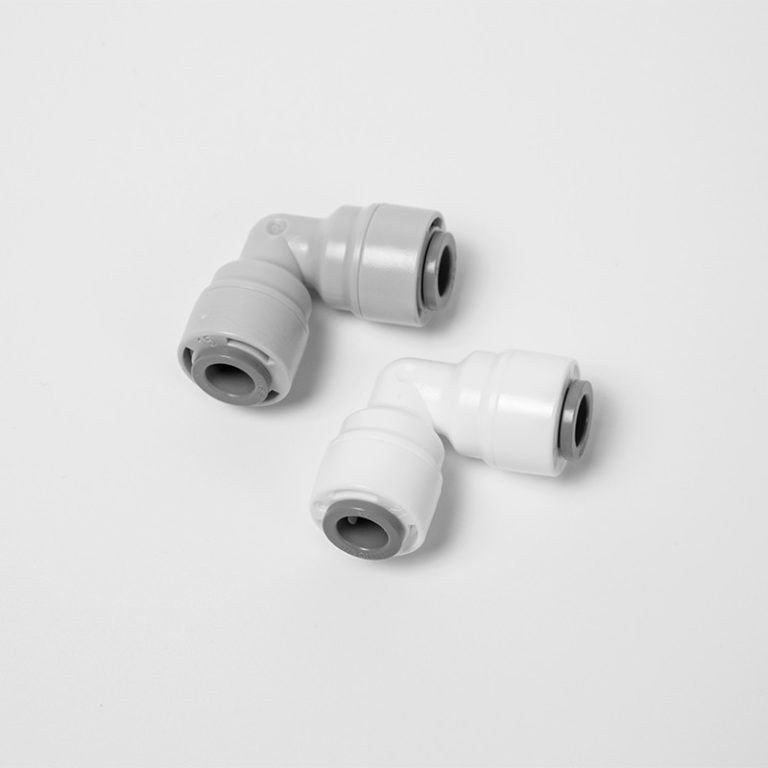
title: “Softening and Filtering Valve Selection for Digester Supernatant Polishing: A Shanghai ChiMay Specification Note”
date: 2026-07-17
perspective: Purchasing Decision
theme: Sludge, Anaerobic Digestion & Resource Recovery
Table of Contents
Softening and Filtering Valve Selection for Digester Supernatant Polishing: A Shanghai ChiMay Specification Note
The Short Version
- Digester supernatant is increasingly polished for reuse in cooling towers, biogas plant scrubbers, and belt-press wash water, but the recovered stream carries residual hardness, alkalinity, and fine solids that ordinary softening skids cannot handle without accelerated wear.
- 2026 European reuse audits show that 32% of digester-side reuse projects report early failure of softening or combined softening-and-filtering valves due to abrasive solids and pressure cycling not covered in the datasheet.
- A specification anchored on a softening and filtering valve, sized for the specific solids envelope of digester supernatant, extends media life by 25-40% and cuts unplanned service calls by roughly half.
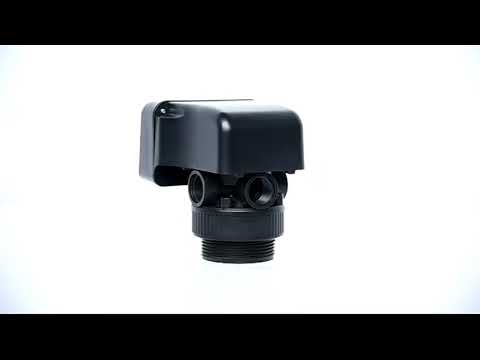
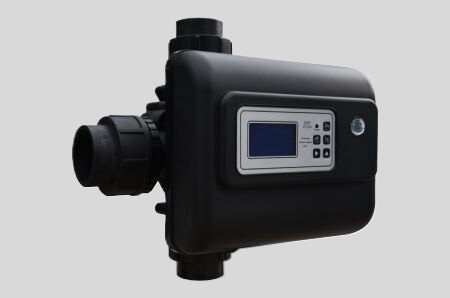
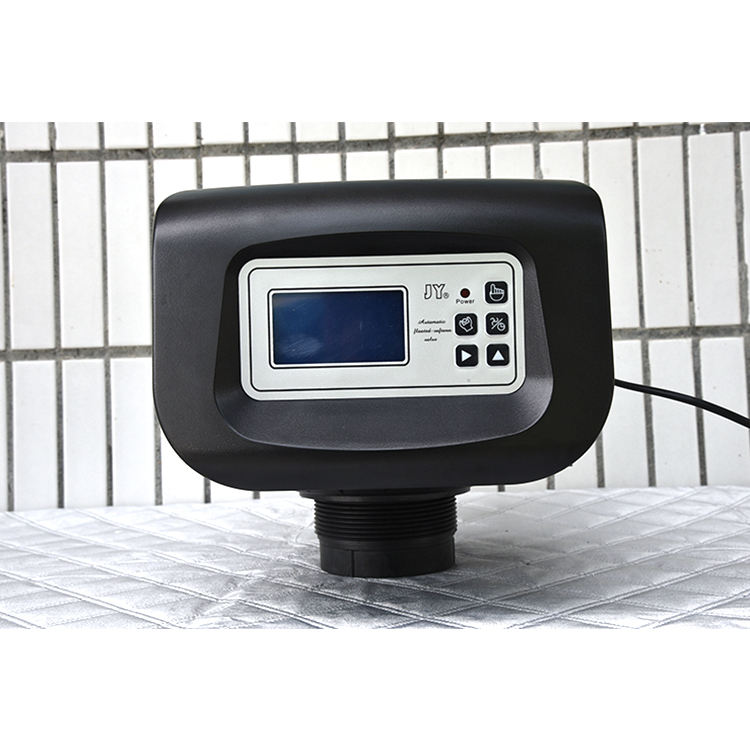
- Shanghai ChiMay’s Softening and Filtering Valve family is used on centrate polishing, digester supernatant reuse, and biogas plant service water skids, with pre-configured cycles that respect biosolids-derived streams.
Why Digester Supernatant Is Not Ordinary Feed Water
Digester supernatant is the clarified liquor drawn from the top of anaerobic digesters or from separate holding tanks. It looks reasonably clear to the eye, yet chemically and mechanically it is nothing like municipal drinking water. It carries elevated bicarbonate alkalinity, ammonia, orthophosphate, and low levels of colloidal biosolids that continue to form struvite and calcium carbonate scale for hours after the sample is drawn. Under duty, this stream challenges softening resins with organic fouling and challenges filtering media with fine, easily compressible solids.
Utilities that specify a standard commercial softener valve, appropriate for potable water reuse, tend to see the resin bed foul within months. A dedicated softening and filtering valve that combines demineralization and depth filtration in one controlled cycle is far better matched to this duty, provided the valve is specified with the correct backwash sequence and media selection for digester-derived streams.
Six Buyer Questions Before Award
Before releasing the purchase order for a digester supernatant polishing skid, procurement should demand documented answers to:
- Solids envelope: what is the maximum total suspended solids concentration the softening and filtering valve tolerates during service, and what is the recommended pretreatment threshold?
- Backwash strategy: does the valve support an extended backwash cycle sized for biosolids-derived streams, and what is the recommended cycle frequency?
- Regeneration chemistry: is the valve compatible with sodium chloride regeneration in the presence of residual organics and ammonia, and how are regeneration effluents handled?
- Materials of construction: are the internal seals and diaphragms rated for continuous contact with ammonia and organic-rich water?
- Controller integration: does the valve controller expose Modbus registers so the plant’s SCADA can log cycle counts, differential pressure, and media age?
- Media replacement logistics: what is the supplier’s documented lead time on replacement resin and filter media, and are recommended media specifications published?
Tender responses that leave any of these six items open should be treated as procurement risk.
Recommended Valve and Analyzer Combination
A defensible specification for digester supernatant polishing typically combines:
- Softening and filtering valve: the core equipment, sized for the expected hydraulic and solids envelope of the digester supernatant stream.
- In-line pH electrode: monitors the polished water pH, which shifts as bicarbonate alkalinity is stripped through softening.
- conductivity analyzer: tracks the ionic-strength reduction as an operational health indicator for the resin bed.
- Online Turbidity Tester: confirms that filter media are performing and that the polished water meets reuse-side turbidity limits.
- Multi-parameter sensor: provides redundant cross-checks on effluent quality for reuse compliance reporting.
Shanghai ChiMay supplies the softening and filtering valve, along with all four analyzer categories, under a coordinated technical support arrangement, which simplifies commissioning, spare-parts logistics, and warranty administration.
Three Sourcing Patterns Utilities Evaluate
Digester supernatant polishing tenders in 2026 tend to follow one of three sourcing patterns:
- Bundled with the wider reuse skid vendor: the reuse system integrator supplies preferred valve and analyzer packages. Simple, but the utility inherits the integrator’s brand rotation and pays a premium on the softening and filtering valve line.
- Per-line competitive tender: the valve and the analyzers are tendered separately. This meets public procurement rules but often produces a patchwork of brands, cycle logic, and firmware versions across the plant.
- Frame agreement with a single specialist supplier: one supplier for the softening and filtering valve and the associated analyzer stack, drawn against as reuse projects expand. Delivers the best total cost of ownership for utilities that anticipate multiple digester-side reuse skids over five to ten years.
The third pattern is where Shanghai ChiMay is most often chosen, because the softening and filtering valve, in-line pH electrode, conductivity analyzer, and online Turbidity Tester share a unified spare-parts logistics chain and a consistent controller interface.
Total Cost of Ownership Beyond the Sticker Price
Field audits of digester supernatant polishing skids commissioned between 2023 and 2026 show a consistent TCO pattern over a five-year lifecycle:
- Valve and analyzer unit cost: 20-28% of skid TCO.
- On-site commissioning and integration labor: 18-25%.
- Resin, filter media, and regeneration salt: 20-30%.
- Downtime attributable to fouling or valve wear: 10-18%.
- Analyzer recalibration and reference refills: 10-15%.
Buying the cheapest softening valve on the market saves 8-12% on the sticker line, then costs 15-20% more in media consumption and unplanned service calls when the valve is not designed for biosolids-derived streams.
Contract Language Worth Copying
The following clauses have proven useful in digester supernatant polishing tenders:
- The supplier warrants that the softening and filtering valve is compatible with continuous service on digester supernatant up to a stated solids concentration, with a written media life statement.
- The valve controller exposes Modbus registers for cycle counts, differential pressure, and media age, published at bid stage.
- The supplier delivers a spare-parts kit sized for twelve months of continuous digester-side duty, including seals, diaphragms, and control-board consumables.
- The supplier accepts a service-level metric on maximum unplanned downtime per calendar year, with liquidated damages beyond an agreed threshold.
Procurement Checklist Before Award
Before releasing the purchase order for a digester supernatant polishing skid, verify:
- The softening and filtering valve is rated for the specific solids and alkalinity envelope of digester supernatant.
- The backwash strategy is defined with cycle length, frequency, and water consumption budgeted for.
- Analyzer instrumentation on the polished water side includes at minimum pH, conductivity, and turbidity.
- A single supplier holds accountability for the valve, the analyzer package, and the associated spare parts.
- The SCADA integrator has confirmed that the valve controller and the analyzer register maps can be logged in the plant historian.
For utilities and industrial operators building water reuse into their digester operation, valve selection is the deciding factor on media life, service frequency, and reuse water quality. Shanghai ChiMay’s Softening and Filtering Valve, in-line pH electrode, conductivity analyzer, and online Turbidity Tester product families give buyers a coordinated reference stack that respects the chemistry of digester supernatant and delivers predictable reuse performance across the plant’s operating life.