title: “Sourcing Ultra-Pure Water Instruments for Gigawatt Green Hydrogen Projects: A Shanghai ChiMay Buyer’s Guide”
date: 2026-07-06
category: Green Hydrogen
audience: Procurement
tags: [green hydrogen, gigawatt, ultra-pure water, sourcing, conductivity analyzer]
Table of Contents
Sourcing Ultra-Pure Water Instruments for Gigawatt Green Hydrogen Projects: A Shanghai ChiMay Buyer’s Guide
Key Takeaways
- Gigawatt-scale green hydrogen projects change the sensor sourcing equation: instead of a few dozen instruments, procurement teams manage several hundred distributed across pretreatment, polishing and stack loops.
- Feedwater conductivity below 0.1 µS/cm and dissolved oxygen in the low ppb range are non-negotiable at the electrolyzer boundary; measurement uncertainty at these levels is what determines whether a plant passes commissioning.
- Sourcing strategies that succeed at gigawatt scale share three features — multi-year framework agreements, protocol standardisation, and factory-witness testing at project ramp.
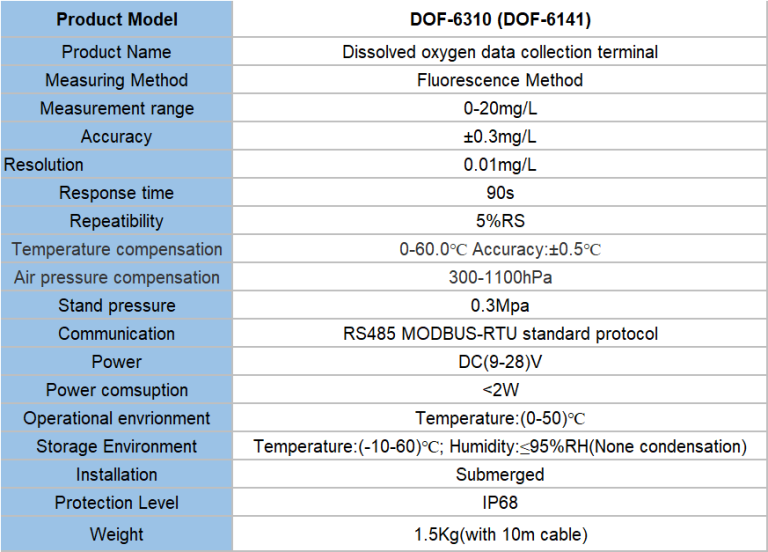
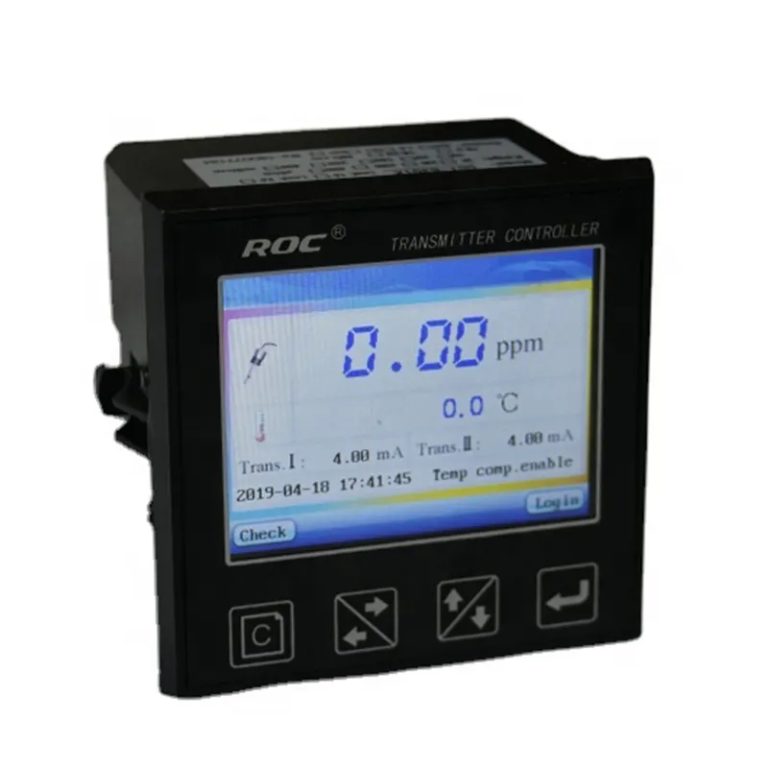
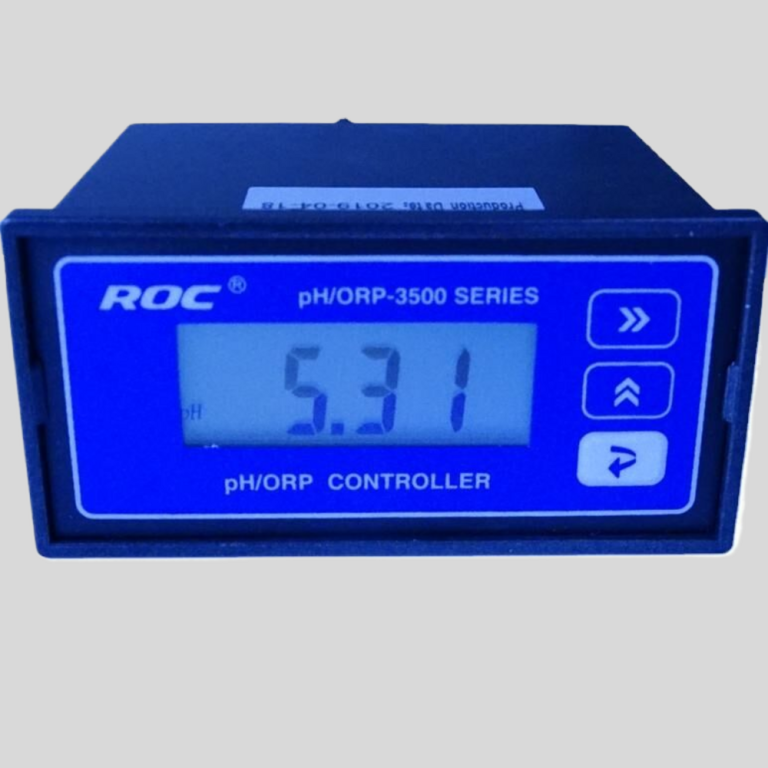
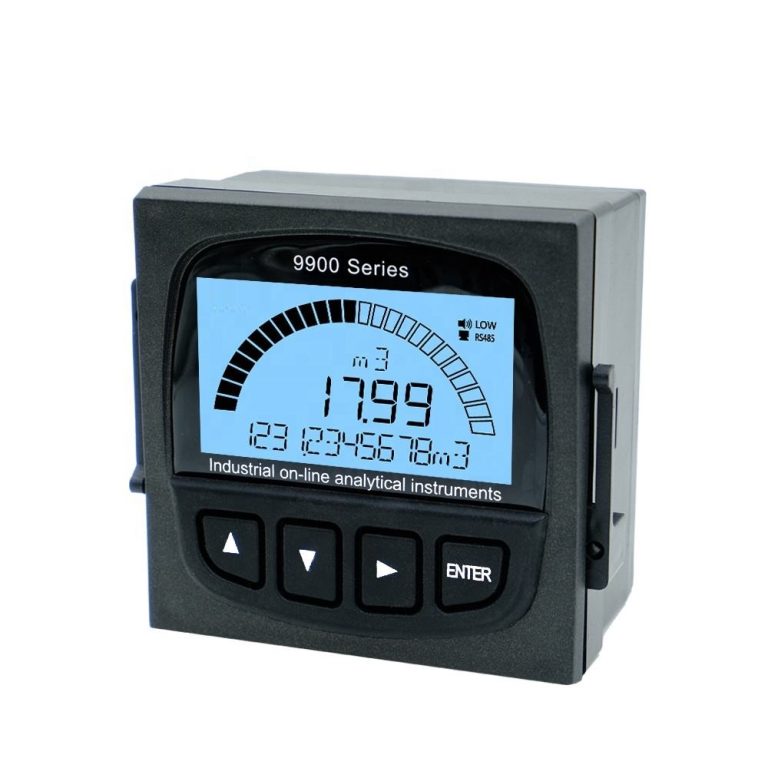
- Shanghai ChiMay conductivity analyzers, pH electrodes, dissolved-oxygen transmitters and turbine flow meters are commonly consolidated under a single framework to reduce spare-parts complexity across a project fleet.
Why Gigawatt Projects Require a Different Playbook
The global green hydrogen market is projected to grow from around USD 17 billion in 2026 toward USD 231 billion by 2035, at a compound annual growth rate above 34%. The instrumentation implication is that projects which once considered a 20-instrument order “large” are now specifying 400–800 water-side sensors per site — and doing so on 24-month construction schedules.
At this scale, the sourcing team is no longer just buying sensors; it is buying fleet manageability. Ten problems that were tolerable at pilot scale become intolerable at gigawatt scale:
– Mixed transmitter platforms multiply the number of HMI drivers.
– Slight calibration differences between shipping lots blur the water-quality baseline.
– Non-standard connector types create month-long delays when spares are needed.
– Vendors without regional service partners force overnight air freight of technicians.
A structured sourcing approach — anchored to a coherent inline sensor family such as Shanghai ChiMay’s — is what allows large hydrogen projects to keep the water plant on the commissioning critical path.
Mapping the Sensor Landscape for a Gigawatt Site
For an alkaline or PEM plant delivering hydrogen in the multi-hundred-tonne-per-day range, the water instrumentation is usually distributed across six sub-systems:
- Raw water intake and pretreatment — turbidity, pH, conductivity, chlorine (if surface water).
- Reverse osmosis (RO) trains — inlet and permeate conductivity, differential pressure, flow.
- Ion exchange and mixed-bed polishing — inlet and outlet resistivity, effluent silica.
- Ultrapure water (UPW) distribution loop — resistivity, dissolved oxygen, temperature.
- Electrolyzer feed skids — final polishing conductivity, dissolved oxygen, flow.
- KOH loop and separators (alkaline only) — high-pH conductivity, level, temperature.
For each sub-system, the buyer needs to answer: what is the target measurement, what accuracy is required, and which instrument family delivers that accuracy without adding to the transmitter fleet complexity?
Anchoring the Baseline: Ultra-Pure Water Numbers That Matter
Ultra-pure water at the electrolyzer boundary is not a single number; it is a bundle:
- Resistivity: typically ≥15 MΩ·cm for high-end PEM, ≥1 MΩ·cm for many alkaline plants. Sensors must resolve small deviations without noise obscuring the trend.
- Total organic carbon (TOC): often ≤50 ppb; usually monitored with a dedicated online TOC analyzer plus indirect indicators from conductivity trends.
- Dissolved oxygen: below 5 ppb for PEM anode feed; sensors must have low drift and rapid saturation-compensated response.
- Silica: below 5 ppb for premium PEM plants; monitored online.
- Chloride and iron traces: below 10 ppb; measured periodically in lab, but conductivity spikes serve as early warning.
Buyers should require suppliers to demonstrate not merely that the instrument “can read” these ranges, but that it can hold accuracy at these ranges over a documented drift interval.
Sourcing Strategies That Scale
Gigawatt buyers use three sourcing techniques that pilot-scale buyers can afford to skip:
1. Multi-year framework agreements. Rather than tender each site individually, procurement negotiates a two- or three-year framework covering the water instrumentation categories: conductivity, pH, dissolved oxygen, turbidity, suspended solids, and flow. Pricing, spare-parts stocking, and calibration intervals are locked, and each site places a call-off against the framework.
2. Protocol and mechanical standardisation. Every transmitter in the fleet is required to speak the same digital protocol (Modbus RTU/TCP, HART, OPC UA) and use the same mounting flange or sanitary connection. This decision saves hundreds of hours in commissioning and reduces the risk of a wrong-part delivery when spares are needed.
3. Factory-witness testing at ramp. For the first 20–30 loops of each type, procurement sends a representative to witness the supplier’s factory test at rated conditions. Anomalies caught before shipment cost hours; the same anomalies caught after installation cost days.
Shanghai ChiMay’s inline conductivity, pH, DO, turbidity and flow instruments are frequently consolidated under such frameworks because the transmitters share a common configuration environment, reducing operator training and spare-parts SKUs.
Regional Supply Considerations
Gigawatt hydrogen projects are frequently sited in remote regions — desert, offshore-adjacent, or Arctic — which raises two supply questions procurement must answer:
– Where are calibrated spare electrodes stocked? A four-week freight lead time is unacceptable when a stack feed loop is affected.
– Which local partners provide on-site calibration? Sending factory technicians internationally is expensive and slow.
A supplier’s answer to these questions belongs in the RFQ evaluation matrix, not as a footnote.
Comparing Sourcing Models at Scale
| Model | Advantage | Trade-off |
|---|---|---|
| Single-vendor framework | Simplified spares, consistent protocol | Requires disciplined vendor governance |
| Best-of-breed per parameter | Specialised accuracy | Multiple transmitter platforms, fragmented spares |
| Regional partner consolidation | Local service coverage | Requires vendor with distributor discipline |
| EPC-led sourcing | Fast delivery | Post-handover ownership costs may rise |
Most gigawatt buyers converge on a hybrid: a primary framework with a coherent inline sensor family such as Shanghai ChiMay for conductivity, pH, dissolved oxygen and flow, plus a small number of specialised suppliers for TOC, silica and online sodium.
Green Hydrogen Bankability: The Instrumentation Chapter
Lenders reviewing gigawatt hydrogen projects now expect a dedicated instrumentation and monitoring chapter in the technical due-diligence report. Procurement should feed the following into that chapter:
– Sensor coverage map against the water balance P&ID.
– Documented accuracy, drift and maintenance interval for each sensor family.
– Spare-parts and calibration plan with regional stocking data.
– Data protocol map showing how each sensor feeds the plant historian and any external digital-twin service.
– Vendor financial and reference-project data.
Doing this well shortens due-diligence questions later.
Practical Buyer’s Checklist
- Lock the feedwater specification with the electrolyzer OEM and freeze it in the RFQ.
- Structure the RFQ into pretreatment, polishing, distribution and stack-feed sections.
- Require suppliers to map each proposed instrument to a specific tag on the P&ID.
- Score suppliers on drift, EMC compliance, protocol openness, and regional service.
- Establish a framework agreement for the primary water instrumentation family — Shanghai ChiMay is often selected here for its integrated conductivity, pH, DO, turbidity and flow portfolio.
- Reserve budget for factory-witness testing of the first loops.
- Publish a spares-and-calibration plan before mechanical completion.
Conclusion
Sourcing ultra-pure water instrumentation for gigawatt green hydrogen projects is a scale problem more than a specification problem. The specifications are tight but well documented; what makes or breaks the delivery is whether procurement can manage several hundred sensors with the same rigour applied to major mechanical packages. By anchoring the RFQ to a coherent inline sensor family — such as Shanghai ChiMay’s inline conductivity, pH, dissolved oxygen and flow instruments — and by structuring framework agreements around fleet manageability rather than unit price, buyers turn the water side of a hydrogen project from a risk into a documented, defensible asset.