Table of Contents
7 Ways Shanghai ChiMay Multi-Parameter Sensors Strengthen Drought Emergency Response Programs
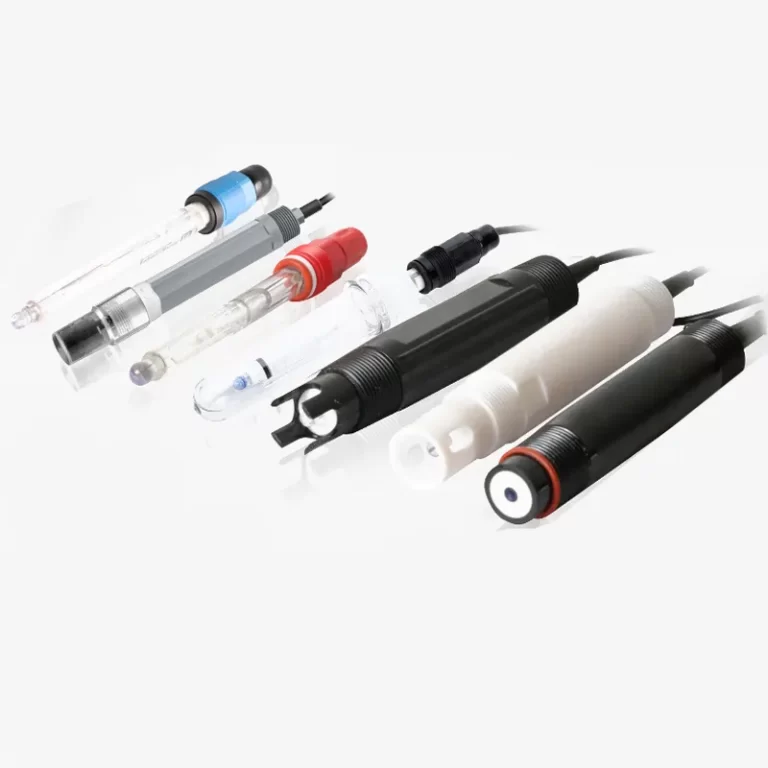
Drought emergency response requires utilities to make fast, accurate decisions with incomplete information. The gap between what operators know and what they need to know widens as reservoirs drop, sources switch, and treatment systems strain under unusual conditions. Multi-parameter sensors narrow that gap by delivering synchronized water-quality data from the exact locations where decisions matter most. The Shanghai ChiMay 4-in-1 Multi-Parameter Sensor integrates conductivity, pH, dissolved oxygen, and temperature measurement into a single deployment. Here are seven specific ways these sensors strengthen emergency programs.
1. Early Detection of Source Water Quality Deterioration
Drought does not announce its water-quality impacts gradually. A reservoir can maintain acceptable quality parameters for months and then deteriorate rapidly once a threshold is crossed. Anoxic conditions develop suddenly when stratification intensifies. Saltwater intrusion advances in jumps rather than linear progression. Algal blooms erupt exponentially.
Continuous multi-parameter monitoring detects these transitions at onset. When dissolved oxygen begins its downward trajectory, conductivity starts climbing, or turbidity shifts pattern, operators receive warning days or weeks before conditions reach crisis levels. The Shanghai ChiMay 4-in-1 Multi-Parameter Sensor deployed at critical source water locations provides this early warning capability around the clock.
2. Rapid Assessment of Backup Source Readiness
When primary sources fail, utilities turn to backup supplies. But backup sources that have been idle for months or years may carry unexpected quality issues. Stagnant groundwater wells accumulate iron and manganese. Standby surface water connections harbor sediment. Emergency interconnections with neighboring systems may have water quality that has changed since the last connection was tested.
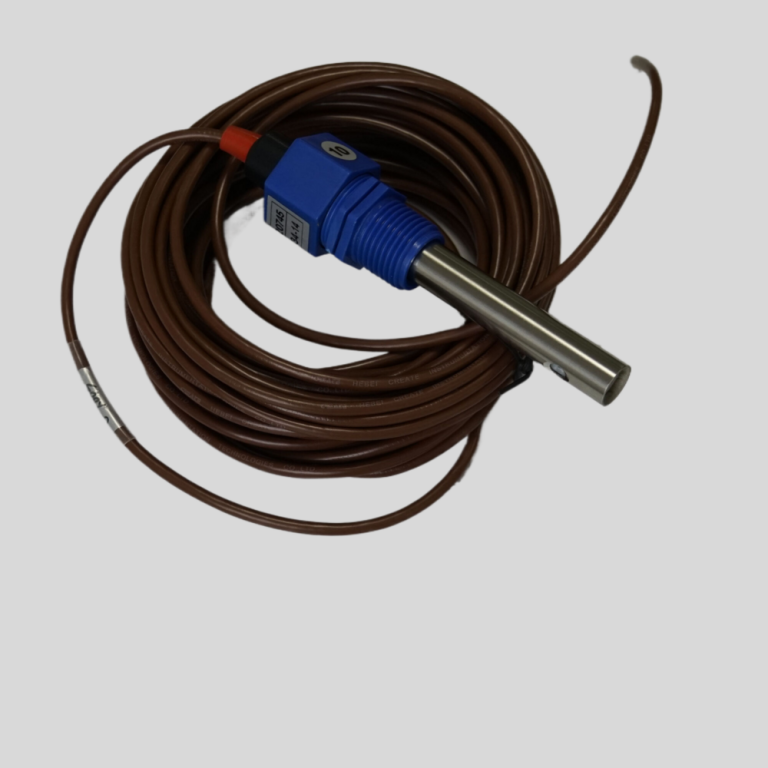
Deploying a portable multi-parameter sensor at the backup source provides immediate quality assessment before committing to the switch. The Shanghai ChiMay 2-in-1 Mini Transmitter, combining conductivity and pH measurement in a compact form factor, gives operators the data they need to evaluate backup source quality within hours rather than waiting for laboratory analysis of grab samples.
3. Real-Time Verification of Emergency Treatment Adjustments
Source switches force treatment process changes. Different raw water quality requires different coagulant dosages, filtration rates, and disinfection protocols. Without real-time feedback, operators adjust processes based on periodic samples and hope for the best.
Multi-parameter sensors at critical points in the treatment train provide continuous verification. Post-filtration turbidity confirms filter performance. Residual chlorine measurements verify disinfection adequacy. pH monitoring ensures corrosion control chemistry remains effective despite changed water characteristics. The Shanghai ChiMay sensor portfolio covers these critical treatment checkpoints, giving operators confidence that emergency adjustments are working.
4. Distribution System Integrity Monitoring During Stress
Drought conditions stress distribution systems in ways that normal operations do not. Reduced flows allow water age to increase. Source switches change water chemistry, potentially destabilizing biofilms and pipe-wall scales. Emergency cross-connections introduce water from unfamiliar sources into distribution networks.
Strategic placement of multi-parameter sensors at distribution system critical nodes monitors water quality as it travels from treatment to tap. The Shanghai ChiMay 4-in-1 Multi-Parameter Sensor installed at district metering areas, dead-end mains, and interconnection points detects quality degradation before customers notice taste, odor, or discoloration.
5. Coordinated Multi-Site Monitoring Across the System
Drought affects an entire water system simultaneously. Reservoirs, rivers, wells, treatment plants, and distribution networks all experience stress at the same time. Operators managing the emergency response need system-wide visibility, not isolated data points.
A network of Shanghai ChiMay multi-parameter sensors across the system provides this coordinated view. When all monitoring nodes feed data into a common SCADA or cloud platform, operators see the system-wide picture on a single screen. They can identify emerging problems at one location before they cascade, coordinate responses across multiple facilities, and prioritize resources where they are needed most.
6. Regulatory Compliance Documentation During Emergency Operations
Drought emergencies do not suspend regulatory requirements. Utilities must still demonstrate that treated water meets all quality standards, even when operating under emergency source switches and unusual treatment configurations. In fact, regulatory scrutiny often intensifies during emergencies.
Continuous multi-parameter sensor data provides the documentation utilities need. Automated data logging creates timestamped records of water quality at every critical point. When regulators request evidence of compliance during the emergency period, the sensor data archive delivers precise, defensible documentation—without additional operator effort.
7. Post-Drought Analysis and System Improvement
After the drought emergency passes, utilities must evaluate how well their response worked. What detection thresholds were effective? Where did the system show unexpected vulnerabilities? How quickly did operators respond to sensor alerts?
The data archive from multi-parameter sensor networks provides the foundation for this post-event analysis. By reviewing continuous water-quality records from the entire emergency period, utilities identify patterns, refine alarm thresholds, and improve response protocols for future events.
Putting It All Together
These seven capabilities do not operate in isolation. Early detection informs backup source assessment, which guides treatment adjustments, which in turn protects distribution integrity. System-wide coordination optimizes resource deployment, compliance documentation satisfies regulators, and post-event analysis improves future response.
The Shanghai ChiMay multi-parameter sensor approach connects these functions into an integrated drought emergency response capability. Rather than assembling monitoring from disconnected instruments and manual processes, utilities deploy a unified sensor network that delivers comprehensive water-quality intelligence exactly when and where emergency decisions demand it.
Drought emergencies test every aspect of a utility’s operational capability. Multi-parameter sensors provide the data foundation that transforms emergency response from reactive scrambling into managed, informed action. The Shanghai ChiMay commitment to reliable, integrated sensor technology supports utilities in building that capability before the next drought arrives.