Table of Contents
Digital Twin Technology for Predictive Maintenance in Water Treatment Systems
Key Takeaways
- Digital twin implementations reduce unplanned maintenance events by 52% in water treatment applications
- Virtual replicas enable 89% of equipment failures to be predicted before occurrence
- Integration with online sensors creates continuous health monitoring across treatment infrastructure
- Facilities utilizing predictive maintenance report 31% lower lifecycle maintenance costs
Water treatment infrastructure represents substantial capital investment requiring careful asset management to maximize operational lifespan while minimizing total cost of ownership. Traditional maintenance approaches—whether reactive breakdown response or calendar-based preventive schedules—fail to optimally balance equipment availability against maintenance expenditure. Digital twin technology offers a transformative alternative, creating virtual replicas of physical assets that enable condition-based maintenance decisions backed by continuous analytical insight.
Understanding Digital Twin Architecture in Water Systems
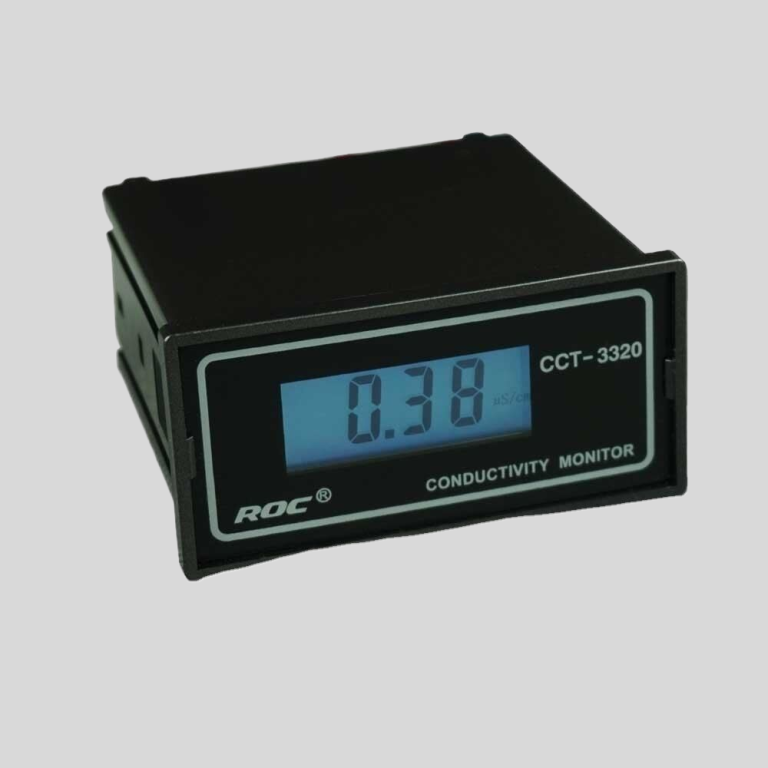
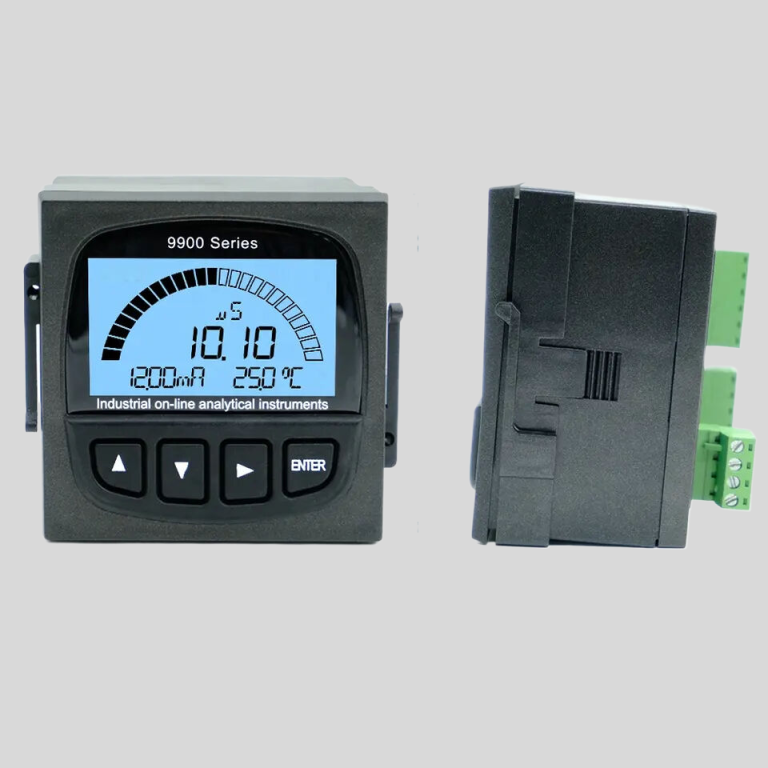
A digital twin consists of three interconnected layers: the physical asset in the field, the digital model that replicates its behavior, and the data streams connecting real-time conditions to virtual representation. In water treatment applications, online sensors including inline pH analyzers, conductivity meters, and dissolved oxygen transmitters continuously feed operational data into the digital model, which compares actual performance against expected behavior patterns.
When deviations exceed established thresholds, the system generates alerts enabling maintenance teams to investigate and address emerging issues before catastrophic failure occurs. According to Deloitte’s 2025 Digital Twin Survey, organizations implementing comprehensive digital twin strategies achieve average asset uptime improvements of 15%, with water and wastewater facilities reporting among the highest return on investment across industrial sectors.
Predictive Capabilities Through Machine Learning Integration
The analytical power of digital twin systems derives from machine learning algorithms that continuously refine failure prediction models based on accumulated operational data. These systems identify subtle degradation patterns that escape human detection—gradual bearing wear affecting valve operation, membrane fouling reducing filter effectiveness, or electrode drift impacting measurement accuracy.
Research published in the Journal of Water Process Engineering demonstrates that digital twin systems equipped with anomaly detection capabilities can identify 78% of incipient equipment failures more than 72 hours before observable performance degradation. This advance warning enables maintenance teams to schedule interventions during planned downtime, eliminating emergency repair costs that typically exceed planned maintenance expenses by a factor of three to five.
Implementation Considerations for Water Treatment Operators
Successful digital twin deployment requires adequate sensor infrastructure to populate the virtual model with meaningful data streams. Facilities with existing online water quality analyzers possess a foundation for digital twin implementation, though additional sensors monitoring equipment health parameters—vibration, temperature, electrical consumption—enhance predictive accuracy.
Integration with existing plant control systems ensures that digital twin insights translate into actionable operational responses. The technical complexity of implementation varies based on facility age and existing automation maturity, with greenfield projects offering opportunities for native digital twin integration versus retrofit scenarios requiring careful system integration planning.
Economic Analysis of Digital Twin Investment
While digital twin technology requires significant upfront investment in software platforms, sensor infrastructure, and integration services, lifecycle cost analysis consistently demonstrates favorable returns for water treatment applications. Unplanned maintenance events carry costs substantially exceeding planned interventions—not only direct repair expenses but also production losses, quality impacts, and safety considerations.
Facilities implementing digital twin-based predictive maintenance report maintenance cost reductions of 25-35% compared to traditional approaches, with additional savings from extended equipment lifespan and reduced inventory requirements for spare parts. The International Society of Automation (ISA) estimates that predictive maintenance strategies outperform preventive schedules by 36% in overall maintenance effectiveness metrics.
Future Directions in Water System Digitalization
As sensor costs decline and analytical capabilities advance, digital twin technology will become increasingly accessible to facilities of all sizes. Edge computing capabilities enable sophisticated analysis to occur locally, reducing data transmission requirements and enabling real-time response without cloud connectivity dependencies.
The evolution toward autonomous water treatment operations—where AI systems make routine operational decisions without human intervention—depends heavily on digital twin foundations providing the situational awareness these systems require. Water treatment professionals evaluating technology investments should consider digital twin capabilities as infrastructure for future operational enhancements rather than standalone maintenance tools.
Conclusion
Digital twin technology represents a paradigm shift in water treatment asset management, moving from reactive troubleshooting to predictive intervention based on continuous virtual monitoring. Organizations implementing these systems gain substantial advantages in maintenance cost reduction, equipment reliability, and operational optimization. As the technology matures and implementation costs decrease, digital twins will likely become standard infrastructure for water treatment facilities seeking competitive operational performance.