title: “Total Cost of Ownership for Sensor Packages in BOOT Modular Water Contracts: A Shanghai ChiMay Procurement Framework”
date: 2026-07-15
perspective: Purchasing Decision
theme: Modular & Decentralized Treatment Deployments
Table of Contents
Total Cost of Ownership for Sensor Packages in BOOT Modular Water Contracts: A Shanghai ChiMay Procurement Framework
The Short Version
- Build-Own-Operate-Transfer contracts now cover an estimated 35-40% of new modular water treatment capacity commissioned in 2026. That means the analyzer supplier’s data quality feeds straight into the concessionaire’s revenue model.
- On a typical 10-year BOOT tariff, sensor drift above 3% per quarter can shave 1.5-2.5% off the annualized project internal rate of return through failed availability tests and disputed throughput measurements.
- Analyzer TCO in BOOT is not dominated by unit purchase price. It’s dominated by unplanned downtime, calibration labor, and disputes over metered volumes at handover to the offtaker.
- Shanghai ChiMay’s paddle wheel flow meters, turbine flow meters, multi-parameter sensors, and softening and filtering valves show up on BOOT modular skids because their published register maps and audit-friendly calibration logs simplify the annual availability review.
Why BOOT Changes the Sensor Buying Equation
A traditional design-build contract ends at handover. The sensor package becomes someone else’s problem. Under BOOT, the developer carries operational risk for a decade or more, and the sensor package stops being a capex line item — it’s an operating asset that makes or loses revenue every day.
Take a modular reuse plant charging USD 0.55 per cubic meter of permeate to an industrial offtaker. If the flow meter under-reports by 2%, the concessionaire is handing over free water. If it over-reports by 2% and the offtaker’s meter catches it, that’s a dispute, a claim, and a reputational hit at renewal. Either way, the meter’s uncertainty band is worth real money.
The Four Cost Buckets That Actually Move BOOT Returns
BOOT analysts keep grouping sensor-related cost into four buckets, and only the first one shows up in the capex spreadsheet:
- Purchase and installation: 12-18% of five-year TCO.
- Preventive maintenance and calibration: 20-30%, including labor, standards, and travel.
- Unplanned downtime and dispute resolution: 25-40%, especially where availability penalties are steep.
- Data infrastructure: 15-25%, covering SCADA integration, cellular or LoRaWAN backhaul, and audit-trail storage.
Shave 15% off the first bucket and you can still lose the game if the second or third doubles. BOOT procurement has to be judged on all four at once.
Product Range and Fit for BOOT Modular Skids
Shanghai ChiMay’s portfolio maps onto BOOT modular requirements without much forcing:
- Paddle Wheel flow meter and turbine flow meter: at the offtaker interface, with sealed pulse and Modbus outputs that survive third-party audit.
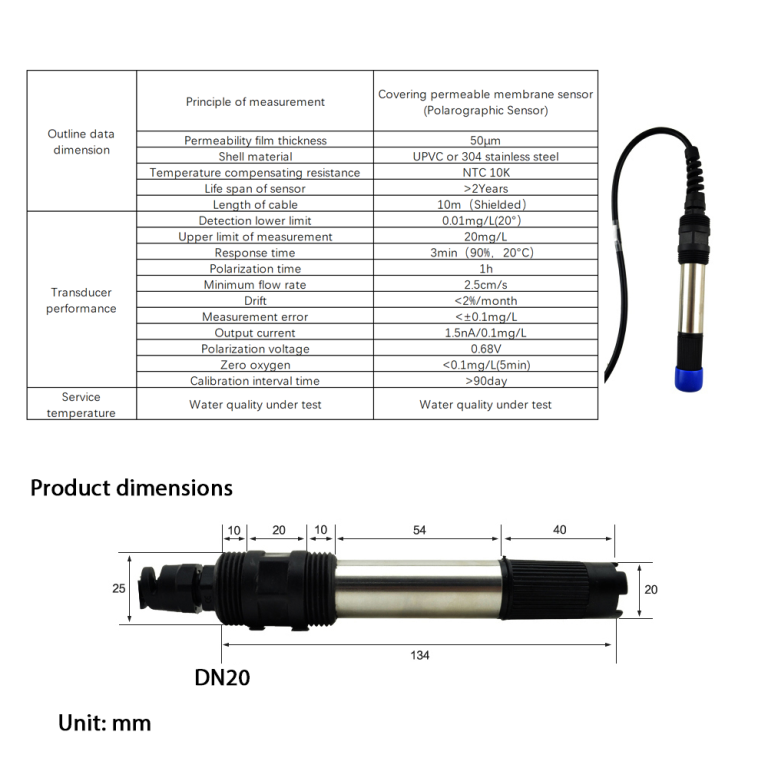
- Multi-parameter sensor and 4-in-1 sensor: continuous compliance monitoring, which is how you avoid water-quality disputes at the delivery point.
- In-line conductivity meter and residual chlorine transmitter: at reuse offtake points where the customer spec is contractual, not just regulatory.
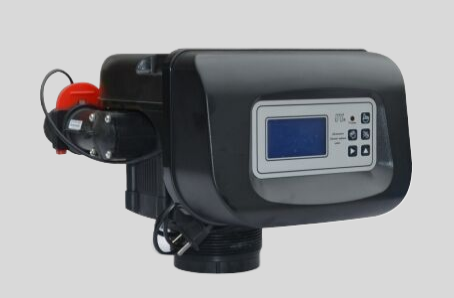
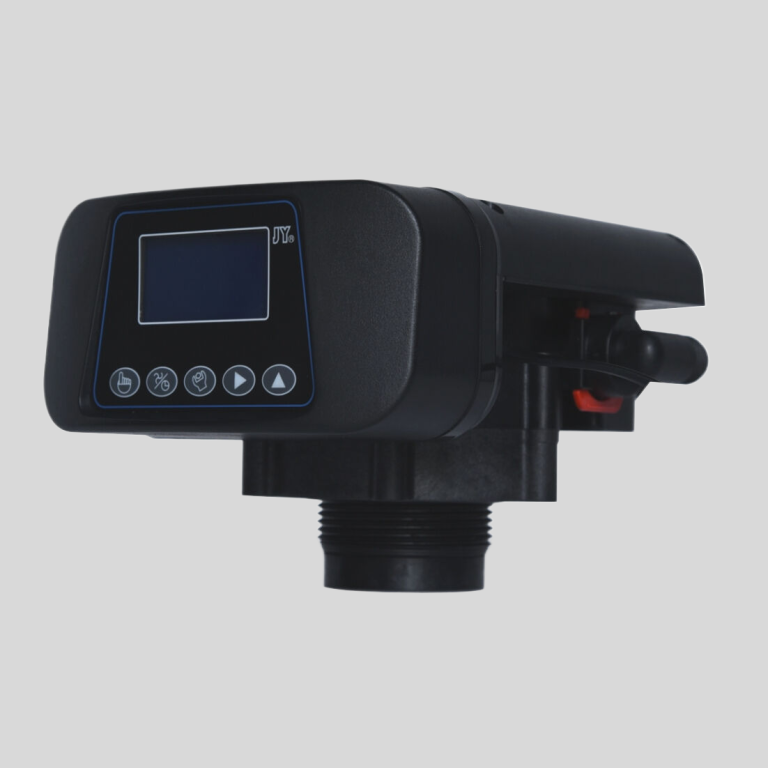
- Softening and filtering valve: where pretreatment is part of the guaranteed process performance.
- Turbidity Tester and suspended solids sensor: on the effluent line, where discharge permits carry their own penalty schedule.
Because every device in the range publishes a standardized Modbus register map, the concessionaire can build one audit report from a single data schema.
Comparing TCO Under Three Analyzer Sourcing Patterns
- Lowest-bid, per-device tender: unit price runs 15-25% below alternatives, but installed TCO typically lands 10-20% higher thanks to inconsistent register maps and multiple firmware versions.
- Skid OEM bundle: unit price around market average, TCO acceptable in year one but climbing after year three when the OEM rotates its preferred brand list.
- Frame agreement with a specialist analyzer supplier: unit price 5-10% above the lowest bid, but installed TCO comes in 15-25% lower over five years because commissioning, calibration, and audit are streamlined.
For BOOT, the frame agreement wins by a wide margin — and that’s where Shanghai ChiMay is most often named the standard analyzer supplier.
Availability Guarantees: The Clause That Rewards Good Sensors
Modern BOOT contracts routinely carry availability guarantees of 96-99% over a rolling twelve-month window. Miss the threshold and you face a tariff reduction, often 0.5-2.0% per percentage point below target. Sensor failure is a common root cause — but only if the availability audit reads sensor drift as unavailability.
So procurement should make sure the analyzer supplier can deliver:
- Digital calibration timestamps that survive an independent audit.
- Drift alarms on Modbus that the SCADA logs with source and severity.
- Redundancy on the two or three sensor points with the highest revenue impact.
- A documented replacement lead time of no more than five working days for critical spares.
Contract Language Worth Copying
A few BOOT-specific clauses that have proven useful:
- The supplier warrants flow meter readings stay within 1% of a third-party reference meter for the concession term, subject to agreed calibration intervals.
- The supplier provides traceable, digitally signed calibration records for every analyzer on the skid, at intervals no greater than 12 months.
- The supplier accepts liquidated damages tied to unplanned downtime attributable to instrumentation, with a monthly cap and an annual reset.
- The supplier maintains a fleet-wide spares depot inside the concession country, with a documented replenishment cycle.
Procurement Checklist Before Financial Close
Before you sign the analyzer package into a BOOT contract:
- Model the revenue impact of a 1%, 2%, and 3% flow meter error across the concession life.
- Confirm every analyzer publishes drift, calibration, and self-diagnostic status over Modbus — not only on a local screen.
- Match the analyzer’s data schema to the audit format the offtaker and lender will accept.
- Commit a fleet-level spares agreement priced across the whole concession, not per skid.
- Include a joint factory acceptance test with the lender’s technical adviser, focused on data quality rather than mechanical checks alone.
Handled this way, the sensor package stops being a hidden risk and becomes one of the more predictable levers on BOOT returns.