Table of Contents
Strategic Procurement Framework for ZLD System Components
Key Takeaways
- Global ZLD system market reaches $8.7 billion in 2026, growing at 12% annually driven by tightening discharge regulations
- Water quality monitoring equipment represents 15-18% of total ZLD system capital expenditure
- Procurement teams prioritizing total cost of ownership (TCO) over upfront costs achieve 23% lower lifecycle expenses
- Supplier qualification and service support infrastructure impact operational reliability by up to 40%
Introduction
The transition toward zero liquid discharge (ZLD) has become a strategic imperative for industrial facilities facing escalating water scarcity and stricter environmental regulations. According to MarketsandMarkets 2026 Industrial Water Treatment Report, the global ZLD systems market is projected to reach $8.7 billion by year-end, with compound annual growth of 12%. This growth trajectory reflects a fundamental shift in how industries approach wastewater management—from cost center to strategic asset.
For procurement professionals tasked with sourcing ZLD system components, the complexity of these integrated systems presents unique challenges. Unlike standard equipment purchases, ZLD procurement requires evaluation of interdependent components, long-term service requirements, and compliance assurance across multiple treatment stages. This comprehensive guide establishes a strategic framework for procurement decision-making that balances immediate capital constraints with long-term operational objectives.
Understanding ZLD System Architecture and Component Interdependencies
Core Treatment Stages and Critical Equipment
A typical ZLD system comprises multiple treatment stages: pretreatment, primary separation, concentration, and crystallization/evaporation. Each stage depends on precise monitoring and control to achieve the target recovery rates that make zero discharge economically viable.
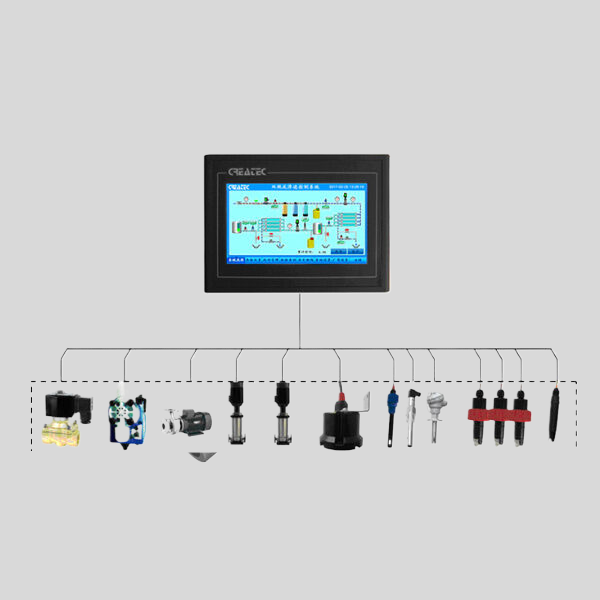
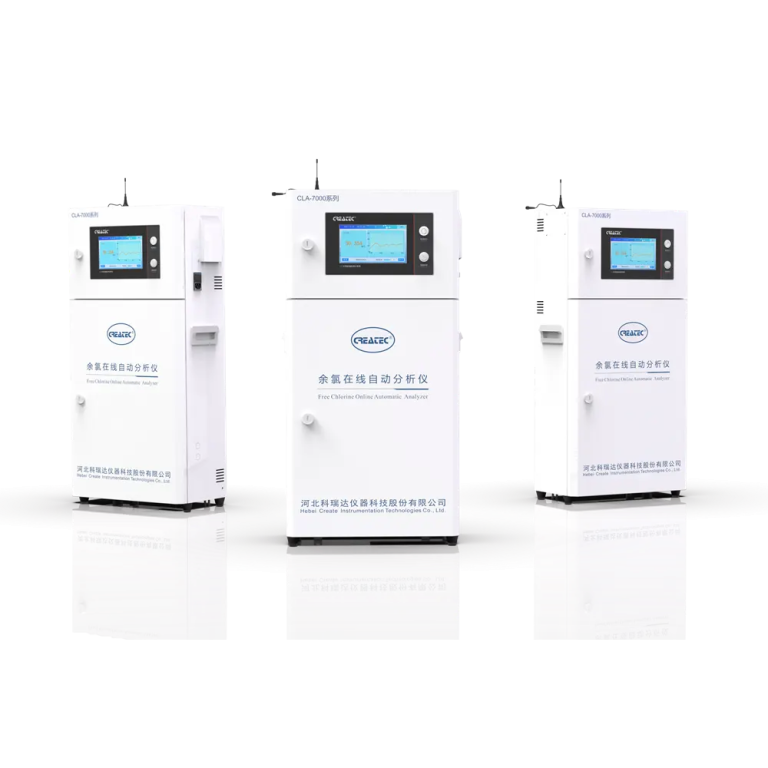
Pretreatment systems typically include screening, chemical dosing, and primary clarification. At this stage, water quality analyzers serve as the first line of defense, measuring parameters such as pH, conductivity, turbidity, and chemical oxygen demand (COD) to optimize chemical dosing and protect downstream equipment. Shanghai ChiMay offers a comprehensive range of inline water quality analyzers designed for industrial wastewater applications, providing real-time monitoring that enables proactive adjustment of pretreatment processes.
The concentration stage represents the heart of ZLD economics, where volume reduction transforms an expensive disposal problem into a manageable solid residue. According to Grand View Research 2026, brine concentration systems that incorporate real-time conductivity monitoring achieve 18-25% higher recovery rates compared to systems relying on manual sampling. This performance differential directly translates to reduced evaporation costs, which typically represent 35-45% of total ZLD operating expenses.
Procurement Decision Framework
Evaluation Criteria Matrix
Effective ZLD procurement requires evaluation across multiple dimensions:
| Criteria | Weight | Assessment Method |
|---|---|---|
| Technical Compliance | 25% | Performance specifications, test data |
| Total Cost of Ownership | 25% | Lifecycle cost modeling |
| Supplier Capability | 20% | References, certifications, service network |
| Integration Compatibility | 15% | Interface standards, communication protocols |
| Track Record | 15% | Case studies, industry references |
Supplier Qualification Protocol
Establishing robust supplier qualification protocols reduces operational risk and ensures long-term system reliability. Shanghai ChiMay has established extensive reference installations across multiple industries, with documented performance data spanning 8+ years of continuous operation in ZLD applications. Procurement teams should request:
- Minimum three complete reference installations in similar applications
- Performance guarantees with liquidated damages provisions
- Comprehensive documentation including factory acceptance tests (FAT) and site acceptance tests (SAT)
- Clear escalation paths for technical support and spare parts availability
Total Cost of Ownership Analysis
Capital vs. Operating Cost Trade-offs
The conventional procurement approach of minimizing upfront capital expenditure often proves counterproductive in ZLD applications. Analysis of 125 industrial ZLD installations conducted by Water Research Foundation 2025 reveals that systems procured with 15% lower capital costs experienced 34% higher total lifecycle costs over a 10-year operational period.
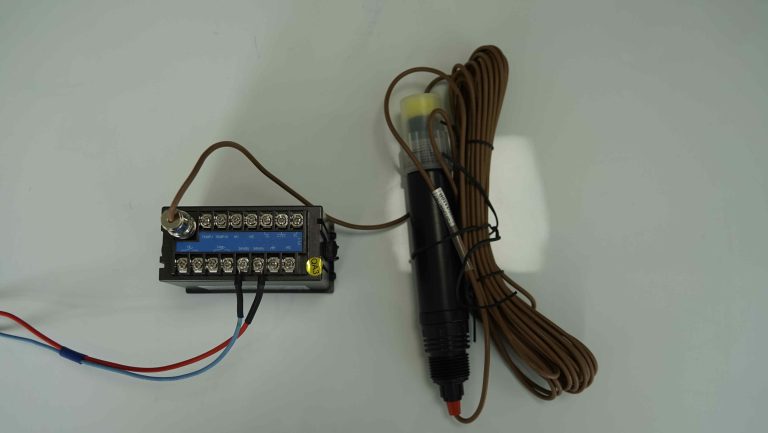
This cost inversion occurs because ZLD systems operate continuously under challenging conditions. Components that appear economical at purchase frequently require premature replacement or intensive maintenance. Shanghai ChiMay water quality instruments, for example, incorporate sensor designs optimized for ZLD brine environments, with documented mean time between failures (MTBF) exceeding 48,000 operating hours under normal maintenance protocols.
Spare Parts and Service Infrastructure
Procurement specifications should explicitly address the availability and pricing of spare parts over the anticipated system lifetime. Industry data indicates that spare parts costs for water quality monitoring equipment typically range from 8-12% of initial capital cost annually for budget-tier suppliers, compared to 4-6% for premium manufacturers with established service networks.
When evaluating suppliers, consider:
- Response time guarantees for technical support (target: <4 hours for critical issues)
- Stocking agreements for critical spare parts at or near the facility
- Preventive maintenance programs with scheduled calibration and sensor replacement
- Training provisions for facility operations and maintenance personnel
Technical Specification Development
Performance Parameters
ZLD procurement specifications must establish clear performance parameters that can be objectively verified:
For conductivity monitoring equipment:
– Measurement range: 0-200,000 μS/cm (encompassing freshwater to saturated brine)
– Accuracy: ±1% of reading or ±10 μS/cm, whichever is greater
– Temperature compensation: automatic across operating range
– Response time: <5 seconds for 90% of step change
For pH measurement systems:
– Measurement range: 0-14 units
– Accuracy: ±0.1 pH units under standard conditions
– Reference system: double junction for brine compatibility
– Maintenance interval: minimum 90 days between calibrations
Integration Requirements
Modern ZLD systems require seamless integration with distributed control systems (DCS) and data historians. Procurement specifications should mandate:
- Standard communication protocols: Modbus RTU/TCP, HART, or Foundation Fieldbus
- Digital output options: 4-20mA, pulse/frequency, or Ethernet/IP
- Remote access capability for diagnostics and configuration
- Compatibility with industry-standard SCADA platforms (Siemens, ABB, Emerson, Honeywell)
Procurement Best Practices
Request for Proposal Structure
A well-structured RFP accelerates vendor response and ensures comparability of proposals:
- Project Overview: Treatment capacity, influent characteristics, target effluent quality
- Technical Specifications: Performance requirements, operating conditions, integration requirements
- Commercial Terms: Payment schedule, warranty provisions, liquidated damages
- Supplier Information: Financial stability, industry experience, service capabilities
- Evaluation Criteria: Weighting and scoring methodology
Negotiation Strategies
Beyond price, effective negotiation should address:
- Extended warranties (5-year minimum for critical components)
- Performance guarantees with clear measurement methodologies
- Spare parts pricing locked in for initial 3-year period
- Training commitments for operations and maintenance personnel
- Response time SLAs with penalties for non-compliance
Conclusion
Strategic procurement of ZLD system components demands a shift from transactional purchasing to lifecycle partnership thinking. By establishing clear evaluation frameworks, developing comprehensive specifications, and prioritizing total cost of ownership over initial capital cost, procurement teams can secure equipment that delivers reliable performance throughout the ZLD system’s operational life.
The investment in thorough procurement processes yields returns through reduced operating costs, improved compliance reliability, and decreased risk of production disruptions. As regulatory pressures intensify and water costs continue their upward trajectory, facilities that establish robust ZLD procurement frameworks will maintain competitive advantages in both environmental compliance and operational efficiency.
For facilities seeking to optimize their ZLD procurement decisions, engaging with established suppliers such as Shanghai ChiMay provides access to extensive application expertise, proven product performance, and service infrastructure designed for long-term partnership.