Table of Contents
Key Takeaways
Industrial boiler systems represent significant energy consumption assets whose thermal efficiency directly impacts plant operating costs and environmental footprint. The U.S. Department of Energy (DOE) industrial energy analysis (2024) estimates that industrial boilers consume approximately $25 billion in fuel costs annually, with water-related efficiency losses contributing substantially to unnecessary energy expenditure. Scale formation on boiler heat transfer surfaces acts as thermal insulation, forcing increased fuel consumption to maintain target steam production rates. Investment in advanced water softening technology provides measurable returns through improved efficiency, extended equipment life, and reduced maintenance requirements.
Boiler Water Treatment Fundamentals
The formation of scale deposits in boiler systems results from the precipitation of dissolved mineral compounds when water concentrate during boiling. Calcium and magnesium carbonates, sulfates, and silicates represent the primary scale-forming compounds found in untreated feedwater supplies. According to the National Association of Corrosion Engineers (NACE) corrosion data (2024), scale accumulation of just 1.6 millimeters thickness increases fuel consumption by approximately 12% due to thermal resistance. In large industrial boiler installations consuming millions of dollars in annual fuel costs, this efficiency degradation represents substantial economic losses.
Water softening technology addresses scale formation through ion exchange processes that replace scale-forming calcium and magnesium ions with non-scale-forming sodium ions. Ion exchange resin beads contain negatively charged sites that selectively attract and retain calcium and magnesium ions while releasing sodium ions to maintain charge balance. The ASME boiler code establishes water quality specifications for boilers of different operating pressures, with softening providing the foundation for compliance with conductivity and hardness requirements. The softener valve controls the operational sequences of ion exchange systems, directing water flow through appropriate resin tanks during service and regeneration phases.
softener valve Technology Evolution
The evolution of softener valve technology from simple time-clock controlled systems to sophisticated electronic controllers reflects broader trends toward automation and optimization in industrial water treatment. Early softener systems employed mechanical timers that initiated regeneration cycles at preset intervals regardless of actual water usage or water quality. Electronic demand-initiated controllers represented a significant advancement by triggering regeneration based on accumulated water usage measured through flow meters. According to Water Quality Products magazine (2024), demand-initiated systems reduce regeneration frequency by 35-45% compared to time-clock alternatives, proportionally reducing salt consumption and wastewater generation.
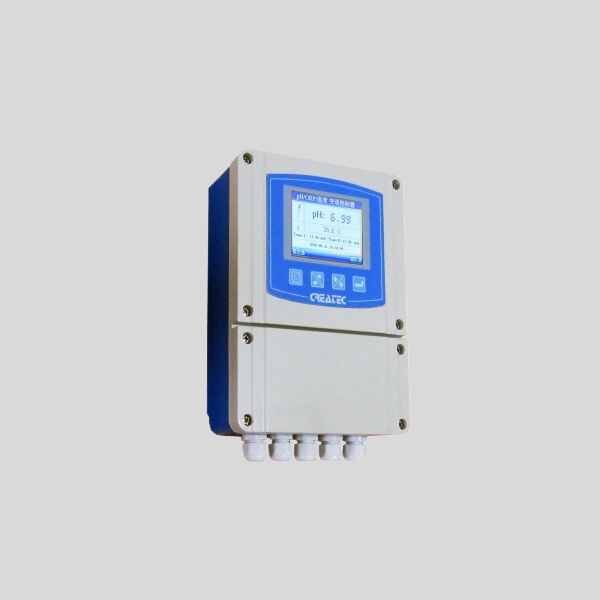
Advanced softener valve systems integrate multiple measurement inputs including inline conductivity meter readings for hardness detection and flow measurement for capacity tracking. These multi-parameter approaches provide more accurate regeneration timing than simple flow-based systems, reducing both hardness leakage during service runs and unnecessary regeneration during low-demand periods. The Water Research Foundation (2024) demonstrates that integrated electronic control systems reduce total dissolved solids (TDS) carryover by 42% compared to time-clock controlled alternatives.
Comparative Analysis: Manual vs. Automated Regeneration Systems
The operational implications of different regeneration control approaches significantly influence system efficiency, labor requirements, and water quality consistency. Manual regeneration systems require operator intervention to initiate regeneration cycles, creating dependency on trained personnel availability and potentially inconsistent regeneration timing. According to Industrial WaterWorld surveys (2024), manual systems achieve average resin utilization efficiency of 67% due to inconsistent regeneration practices and conservative capacity settings.
Fully automated softener valve systems execute regeneration sequences without operator intervention, ensuring consistent performance regardless of staffing levels or personnel expertise. Automated systems can initiate regeneration during off-peak hours when water demand is low, minimizing operational disruption while optimizing regeneration effectiveness. Research from the University of Texas Water Treatment Research Center (2024) demonstrates that automated systems achieve 92% average resin utilization efficiency, representing 37% improvement over manual alternatives. The economic comparison between manual and automated systems must account for not only capital cost differences but also ongoing labor costs, chemical consumption, and water quality variability impacts.
Impact on Boiler System Performance
The relationship between softened water quality and boiler system performance creates compelling economic justification for investment in advanced water treatment technology. Boiler feedwater hardness directly influences scale formation rates on heat transfer surfaces, with harder feedwater producing faster scale accumulation and greater efficiency degradation. The ASME Journal of Energy Resources Technology (2024) estimates that scale-related efficiency losses average 8-12% for boilers operating with untreated feedwater, increasing to 15-20% for severe scale accumulation scenarios.
Investment in modern softener valve technology reduces feedwater hardness to levels that effectively eliminate scale formation under normal operating conditions. The NACE international study (2024) on industrial boiler scaling demonstrates that properly softened feedwater reduces scale accumulation rates by 73%, translating to fuel savings that justify softening system investment within 2-3 years for typical installations. Extended boiler service life of 8-12 years provides additional economic benefit through deferred capital replacement costs.
Strategic Procurement and Maintenance Considerations
Industrial facilities evaluating water softening equipment investments should consider total lifecycle costs including capital acquisition, installation, operation, maintenance, and eventual replacement. The US Department of Energy (DOE) buying energy-efficient commercial industrial equipment guide recommends evaluating water softeners based on capacity per pound of salt, regeneration efficiency, and expected service life. Vendor capability assessment should address manufacturing quality, technical support availability, and spare parts access that influence long-term system reliability.
Effective maintenance of softener valve and associated water treatment equipment requires attention to mechanical components, electronic controllers, and water quality parameters that indicate system performance. Regular inspection and cleaning of valve internals prevents binding, wear, and leakage that could compromise regeneration effectiveness. Electronic controller maintenance should verify proper operation of flow sensors, hardness monitors, and alarm systems. ChiMay’s monitoring systems provide continuous performance tracking that alerts operators to developing issues requiring attention.
Conclusion
softener valve technology significantly influences industrial boiler water treatment efficiency through effects on regeneration effectiveness, operational consistency, and system reliability. Investment in modern automated control systems delivers measurable returns through improved fuel efficiency, extended equipment life, and reduced maintenance requirements that justify capital expenditure with attractive payback periods. Strategic procurement decisions should evaluate total lifecycle costs, vendor capabilities, and maintenance requirements alongside initial capital investment. ChiMay’s expertise in industrial water treatment systems supports facilities seeking to optimize boiler water treatment efficiency and protect critical thermal energy assets.