Table of Contents
AI-Driven Water Distribution Management: A Guide for Municipal Utilities
Key Takeaways:
– AI-powered water distribution systems reduce energy consumption by 18-25% through optimized pump scheduling
– Machine learning algorithms predict pipe failures with 85% accuracy up to 30 days in advance
– 92% of utilities piloting AI technologies report measurable operational improvements
– AI integration costs typically recover through operational savings within 3-5 years
Water distribution systems represent critical infrastructure supporting public health, economic activity, and urban livability. Managing these complex networks presents ongoing challenges: balancing supply and demand, maintaining pressure across varied topography, minimizing energy costs, and preventing failures that disrupt service. Artificial intelligence offers water utilities powerful new capabilities for addressing these challenges.
Understanding AI Applications in Water Distribution
Artificial intelligence encompasses multiple technologies including machine learning, neural networks, and predictive analytics. These technologies share the ability to identify patterns in complex data and generate insights or decisions without explicit programming for every scenario.
In water distribution, AI applications range from operational optimization to asset management and customer service. The common thread involves processing vast data volumes from sensors, meters, and other sources to identify patterns and generate actionable recommendations.
The Water Environment Federation (WEF) reports that AI adoption in water utilities has grown from 12% in 2021 to an estimated 47% in 2025, with growth accelerating as proven applications emerge and implementation costs decline.
Energy Optimization Through Smart Pump Control
Pumping represents the largest energy expense for most water utilities, often consuming 60-80% of total operational energy budgets. Traditional pump scheduling relies on historical patterns and operator experience, missing opportunities for optimization.
AI-powered pump optimization systems analyze multiple variables simultaneously: electricity pricing, demand forecasts, tank levels, pipe network hydraulics, and equipment efficiency curves. Machine learning algorithms identify optimal operating strategies that minimize energy costs while maintaining service reliability.
A comprehensive study by the American Society of Civil Engineers (ASCE) evaluated AI optimization at 23 water utilities. Results demonstrated average energy reductions of 22% with corresponding annual cost savings of $340,000 per utility, assuming average system characteristics. Some facilities achieved reductions exceeding 30% through advanced optimization.
Time-of-use electricity rates create particularly significant optimization opportunities. By shifting pumping to off-peak hours when rates are lower, AI systems can dramatically reduce energy costs without impacting service quality.
Predictive Maintenance and Asset Management
Water infrastructure deterioration often proceeds invisibly until catastrophic failures occur. Traditional maintenance approaches—reactive or time-based—either respond to failures after they happen or replace equipment prematurely.
AI transforms asset management through predictive maintenance that identifies equipment approaching failure before service disruptions occur. Machine learning models analyze operational data—pump vibration, motor current, temperature trends—to detect degradation patterns indicating imminent failure.
Research published in the Journal – American Water Works Association (2024) documented predictive maintenance results at five utilities. The study found that AI systems identified 78% of pump failures more than two weeks in advance, enabling planned repairs that cost 65% less than emergency responses while eliminating service interruptions.
Pipe condition assessment represents another high-value AI application. By analyzing hydraulic data, acoustic signals, and historical maintenance records, machine learning systems can identify pipe segments at elevated failure risk. This intelligence enables proactive replacement programs that optimize capital investment.
Demand Forecasting and System Planning
Accurate demand forecasting underpins effective water system planning and operations. Traditional forecasting methods rely on historical trends and simple seasonal patterns, struggling to account for weather impacts, economic changes, and conservation program effects.
AI forecasting models incorporate diverse data sources: historical consumption, weather forecasts, economic indicators, demographic trends, and even social media activity. Machine learning identifies complex relationships between these factors and water demand, generating forecasts that substantially outperform traditional methods.
The Water Research Foundation documented forecast accuracy improvements averaging 40% when comparing AI-based predictions to traditional methods during a three-year evaluation period. Improved forecasting enables better purchasing decisions, more accurate budgeting, and enhanced demand response programs.
SCADA Integration and Real-Time Control
Modern water utilities operate through Supervisory Control and Data Acquisition (SCADA) systems that monitor and control infrastructure. AI integration enhances SCADA capabilities through intelligent analysis and automated responses.
AI-powered SCADA systems can detect anomalies indicating equipment problems, contamination events, or cyber threats. When anomalies occur, AI can initiate automated responses—adjusting operations, alerting operators, or triggering emergency procedures—faster than human operators could respond.
The National Institute of Standards and Technology (NIST) has published guidance on AI integration in water utility SCADA systems, emphasizing the importance of human oversight while acknowledging significant operational benefits.
Implementation Considerations
AI adoption requires careful planning and realistic expectations. Utilities should begin with well-defined pilot projects targeting specific operational challenges where AI capabilities offer clear advantages. Successful pilots build organizational confidence and generate evidence supporting broader deployment.
Data quality fundamentally determines AI system effectiveness. Before implementing AI, utilities should assess data availability, consistency, and completeness. Historical data spanning multiple years enables machine learning model training, while current real-time data supports operational optimization.
Organizational change management proves essential for AI success. Staff need training to understand AI capabilities and limitations. Operators must learn to work alongside AI systems, using AI insights while applying their expertise to validate and supplement machine recommendations.
Vendor selection requires thorough evaluation of AI platform capabilities, implementation support, and long-term viability. Proven solutions in water utility applications provide lower risk than novel approaches lacking operational track records.
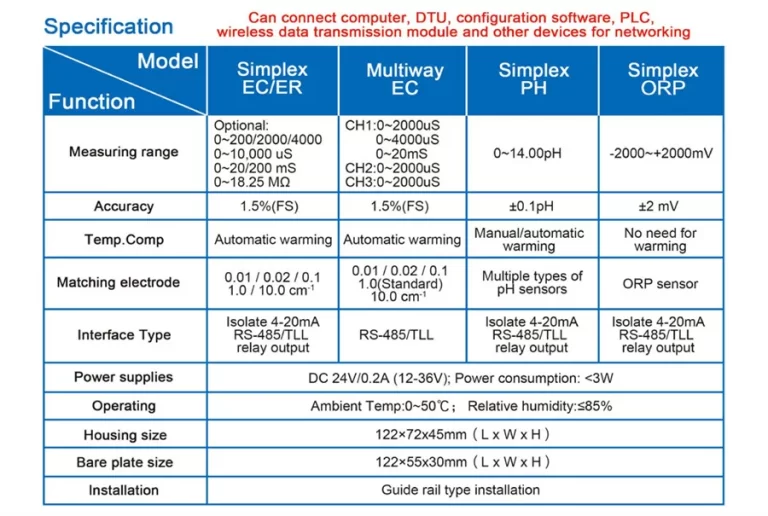
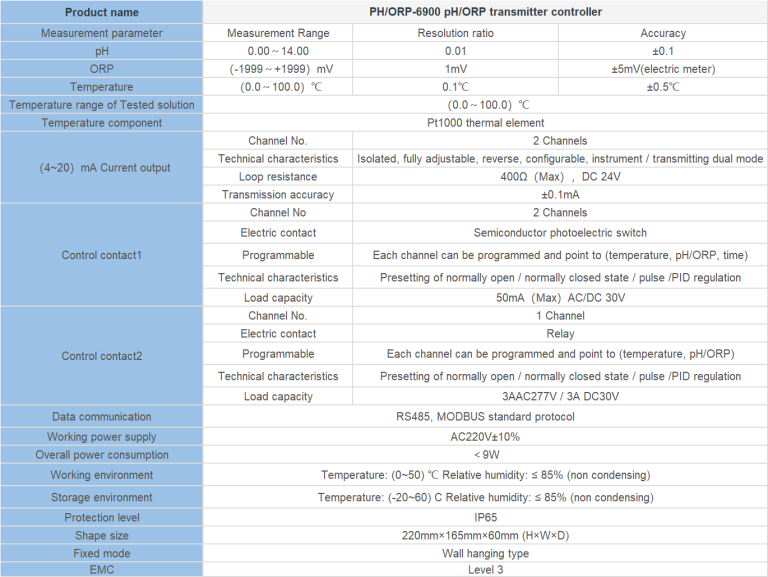
Shanghai ChiMay provides sensor and monitoring solutions that generate high-quality data essential for effective AI applications in water distribution.
Future Directions
AI capabilities in water management continue advancing rapidly. Reinforcement learning enables systems that continuously improve operating strategies through experience. Digital twin technology creates virtual replicas of physical systems for simulation and optimization. Federated learning allows AI model training across multiple utilities without sharing proprietary data.
Emerging applications include AI-powered water quality prediction, customer behavior modeling, and climate adaptation planning. These capabilities will help utilities anticipate challenges and develop resilient strategies for changing conditions.
Water utilities embracing AI position themselves for operational excellence, cost efficiency, and service reliability. As the technology matures and implementation costs decline, AI adoption will accelerate across the industry.